Call Out Culture
When public accountability meets the digital megaphone 📣
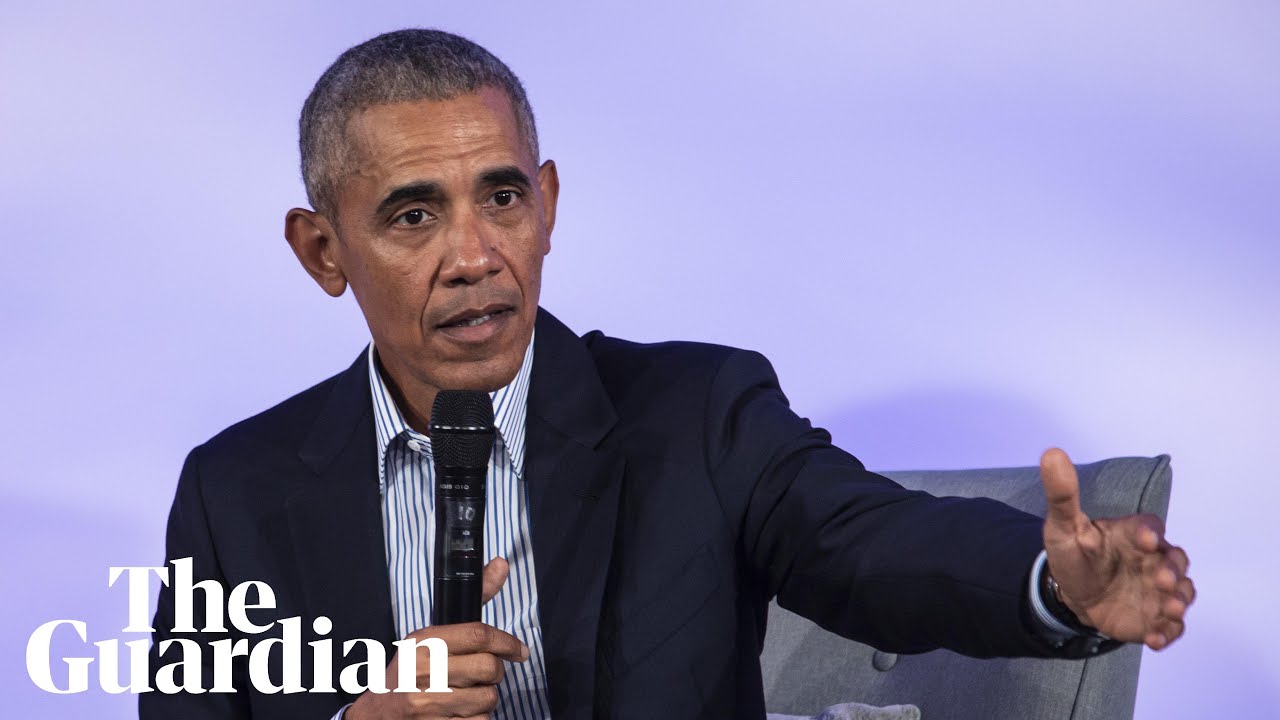
Barack Obama takes on 'woke' call-out culture: 'That's not activism'
⚡ THE VIBE
✨Call Out Culture is the practice of publicly identifying and shaming individuals or groups for perceived problematic behavior or statements, often leveraging social media to amplify the message and demand accountability. It's a double-edged sword, empowering marginalized voices while also sparking fierce debates about due process, proportionality, and the very nature of justice in the digital age. ⚖️
§1What's the Vibe with Calling Out? 📣
At its core, Call Out Culture is about public accountability. Imagine someone says or does something that's considered offensive, harmful, or unjust. Instead of a quiet conversation, it gets broadcast to a wider audience, usually on platforms like Twitter, TikTok, or Instagram. The goal? To expose the behavior, educate the perpetrator (and the public), and often, to demand consequences. It's a powerful tool, born from the desire to confront injustices that traditional systems often ignore. Think of it as a digital megaphone for social justice, where collective voices can challenge power structures and societal norms. 🗣️
§3The Mechanics of a Digital Reckoning 🛠️
How does a 'call out' actually work? It typically starts with an individual or a small group identifying a problematic statement or action. This could be a screenshot of an old tweet, a video clip, or an anecdote. This evidence is then shared, often with a critical commentary, using relevant hashtags to increase visibility. The post gains traction as others agree, reshare, and add their own condemnations, creating a digital pile-on. The target of the call-out often faces intense scrutiny, public condemnation, and sometimes, real-world consequences like job loss, deplatforming, or social ostracization. The speed and scale of these events are unprecedented, leading to both swift justice and, occasionally, disproportionate punishment. ⚡
§4The Double-Edged Sword: Impact & Controversy ⚔️
Call Out Culture has undeniably brought about significant positive change. It has held powerful individuals accountable, forced institutions to address systemic issues, and amplified the voices of the historically voiceless. It's a mechanism for demanding justice where traditional avenues have failed. However, it's also fraught with controversy. Critics argue it often lacks due process, encourages mob mentality, and can lead to cancel culture where individuals are permanently ostracized for minor offenses or past mistakes. The line between accountability and punitive shaming can become blurred, leading to a climate of fear and self-censorship. Debates rage about proportionality, the potential for misidentification, and the lasting impact on mental health for both the 'called out' and the 'callers.' 🤔
§5Evolving Norms: From Call-Out to Call-In? 🧘
As we navigate 2026, the discourse around Call Out Culture is evolving. There's a growing recognition that while public accountability is crucial, a more nuanced approach might be necessary. The concept of Call-In Culture has emerged as an alternative, advocating for private, educational conversations before resorting to public shaming. The goal shifts from immediate condemnation to fostering understanding and growth. Many activists are now advocating for more restorative justice practices online, focusing on education and behavioral change rather than just punishment. The future of digital accountability likely lies in finding a balance between these two approaches, ensuring justice is served without sacrificing empathy or the potential for growth. 🌱