Pax Tokugawa
The 250-year peace that forged modern Japan 🌸
Featured partners and sponsors
New advertisers get $25 in ad credits
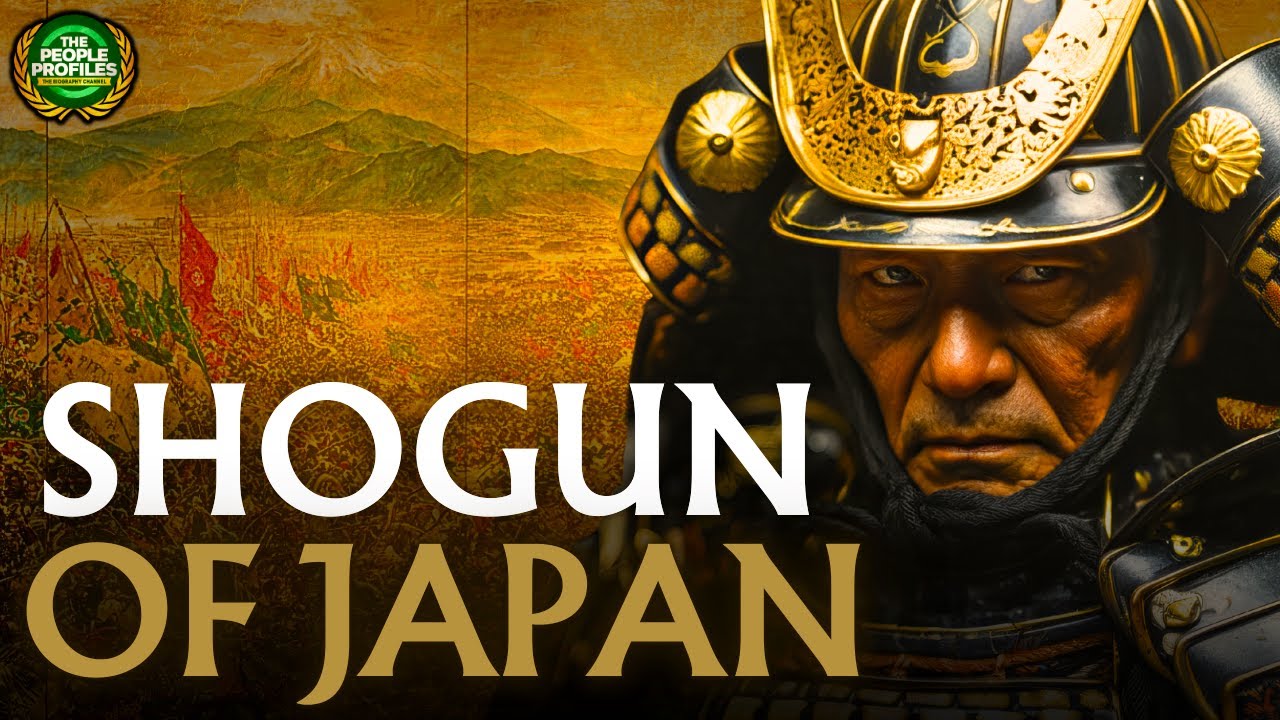
Tokugawa - From Hostage to Shogun Documentary
⚡ THE VIBE
✨The **Pax Tokugawa** refers to the remarkable 265-year period of peace and stability in Japan under the iron-fisted rule of the Tokugawa Shogunate, transforming a war-torn nation into a vibrant, insular society that cultivated a unique and enduring culture. It was a time of unprecedented calm that fundamentally reshaped Japanese identity. 🏯✨
§1The Dawn of an Era: From Chaos to Calm 🌅
Imagine a nation ravaged by over a century of civil war – the brutal Sengoku period, or 'Warring States' era. This was Japan before the Pax Tokugawa. It was a time of constant conflict, shifting loyalties, and samurai lords battling for supremacy. Then, three towering figures emerged: Oda Nobunaga, Toyotomi Hideyoshi, and finally, the shrewd and patient Tokugawa Ieyasu. Ieyasu, after securing victory at the decisive Battle of Sekigahara in 1600, officially established the Tokugawa Shogunate in 1603, ushering in an era of centralized power and, crucially, peace. The name 'Pax Tokugawa' itself echoes the 'Pax Romana,' signifying a period of enforced peace and prosperity under a dominant power. It wasn't just an absence of war; it was a deliberate, meticulously constructed system designed to prevent future conflict. 🛡️➡️🕊️
§2The Shogunate's Master Plan: Maintaining Control ⚖️
How did the Tokugawa Shogunate maintain such an extraordinary peace for so long? Their strategy was a brilliant, often ruthless, blend of political engineering and social control. Key to this was the 'Sankin-kōtai' system, or 'alternate attendance,' which compelled every daimyō (feudal lord) to spend alternating years in Edo (modern-day Tokyo) and their home domain. This wasn't just a commute; it was a financial drain and a hostage system, as their families were permanently kept in Edo. This prevented lords from accumulating too much wealth or plotting rebellions. The Shogunate also implemented strict social hierarchies, a policy of national isolation known as 'Sakoku' (literally 'closed country'), and a sophisticated network of spies and informants. Everything was meticulously regulated, from dress codes to castle construction. It was a top-down, authoritarian peace, but a peace nonetheless. 🔒📜
§3A Flourishing Culture and Economy 🎨💰
With swords sheathed and stability assured, Japan experienced an explosion of cultural and economic growth. Cities like Edo, Osaka, and Kyoto swelled, becoming vibrant centers of commerce and art. A new merchant class, though at the bottom of the official social hierarchy, grew wealthy and influential, fueling demand for entertainment and luxury goods. This era saw the rise of iconic art forms such as Ukiyo-e woodblock prints (think Hokusai's 'Great Wave' 🌊), the development of Kabuki theater and Bunraku puppetry, and the flourishing of Haiku poetry. Education spread, and a unique urban culture, often called the 'floating world' (ukiyo), emerged. While the samurai class gradually declined in economic power, their code of conduct, Bushido, was formalized and became a cornerstone of Japanese identity. It was a period of intense internal development and refinement. 🎭📚
§4The Seeds of Change and Eventual Collapse ⏳💥
Despite its longevity, the Pax Tokugawa was not without its internal tensions. The rigid class system struggled to adapt to changing economic realities, leading to discontent among both samurai and peasants. The Sakoku policy, while preserving Japanese culture, also prevented the nation from keeping pace with rapid global advancements, particularly in the West. By the mid-19th century, external pressures mounted, most famously with the arrival of Commodore Matthew Perry and his 'Black Ships' in 1853, demanding the opening of Japan. This event dramatically exposed the Shogunate's technological and military inferiority. The resulting internal political turmoil, combined with a growing desire to 'revere the Emperor and expel the barbarians,' led to the Meiji Restoration in 1868, ending the Tokugawa era and propelling Japan onto the world stage. The Pax Tokugawa's legacy, however, continues to shape modern Japan. 🚢➡️🇯🇵
§5Why It Still Matters Today: A Lasting Legacy 🌍
The Pax Tokugawa is more than just a historical period; it's a foundational chapter in the story of Japan. It forged a national identity, established a unique cultural bedrock, and created the conditions for Japan's rapid modernization in the Meiji era and beyond. The discipline, aesthetic sensibilities, and even the work ethic often associated with Japanese culture today have deep roots in this period of enforced peace and introspection. Understanding the Pax Tokugawa helps us grasp the profound impact that long-term stability—even when authoritarian—can have on a nation's development. It's a testament to how a society can transform itself when the constant threat of war is removed, allowing its people to focus on innovation, art, and the intricate dance of daily life. It's a truly GAME-CHANGING moment in world history! 🌟💡