
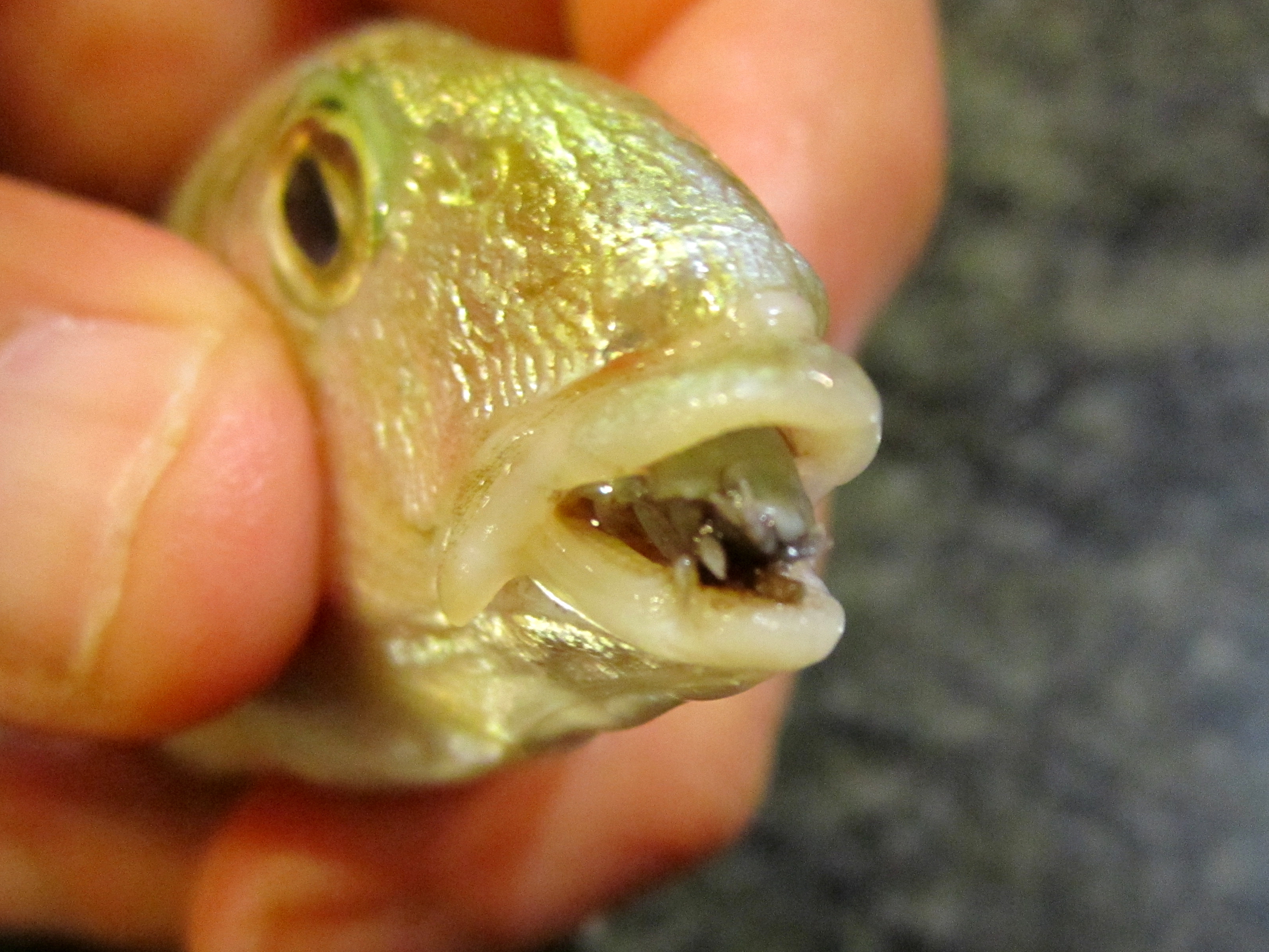
Contents
Overview
The study of parasitic ecology traces its conceptual roots to ancient observations of disease and infestation. Early naturalists like Aristotle (384–322 BCE) noted the existence of organisms living within others, though the term 'parasite' itself, derived from the Greek 'parasitos' meaning 'one who eats at the table of another,' initially referred to individuals who received sustenance from others without contributing. The scientific understanding began to crystallize with the advent of microscopy and germ theory. By the late 19th and early 20th centuries, researchers began systematically cataloging parasitic species and their life cycles. The field gained significant momentum with the development of evolutionary theory, particularly Charles Darwin's (1809–1882) concept of natural selection, which provided a framework for understanding the co-evolutionary arms race between parasites and hosts. Landmark texts further solidified parasitic ecology as a distinct and vital discipline within biology.
⚙️ How It Works
Parasitic ecology operates on the principle of exploitation, where one organism (the parasite) benefits at the direct expense of another (the host). This relationship is characterized by intricate adaptations on both sides. Parasites have evolved diverse strategies to locate, infect, feed on, and reproduce within or on their hosts. These include specialized attachment organs, mechanisms to evade host immune responses, and often complex life cycles involving multiple hosts to complete development, such as the schistosomes requiring snails and humans. Host responses are equally varied, ranging from immune defenses and behavioral avoidance to physiological resistance. The ecological impact extends beyond the individual interaction; parasites can significantly influence host population dynamics by reducing host survival and reproduction, thereby acting as potent selective pressures. This can lead to phenomena like trophic cascades, where parasite-induced changes in a prey population affect lower trophic levels, or drive host speciation through host-parasite specificity. The concept of r-selection is often invoked, with many parasites producing vast numbers of offspring to overcome high mortality rates.
📊 Key Facts & Numbers
The sheer scale of parasitism is staggering: it's estimated that at least 50% of all species on Earth are parasitic in at least one stage of their life cycle. Globally, over 300,000 known species of parasitic worms infect vertebrates, with many more yet to be discovered. Invertebrates, such as insects and crustaceans, host an even greater diversity of parasites. For instance, a single individual aphid can be infected by dozens of different parasitoid wasps. The economic impact is substantial, with parasitic diseases costing the global economy trillions of dollars annually in healthcare, lost productivity, and agricultural damage. For example, malaria, caused by Plasmodium parasites, infects over 240 million people annually and caused an estimated 619,000 deaths in 2021, according to the World Health Organization. Livestock diseases, such as bovine tuberculosis spread by Mycobacterium bovis, result in billions of dollars in losses each year. Even seemingly minor parasites can have outsized effects; a study published in Nature in 2015 estimated that fungal pathogens could be responsible for the extinction of up to 1 million species.
👥 Key People & Organizations
Key figures in parasitic ecology include Paul Ehrlich (1932–2021), whose work on co-evolution, particularly the 'gene-for-gene' hypothesis with Leonhard Ehrlich, provided a foundational model for host-parasite interactions. Robert May (1936–2020), a prolific theoretical ecologist, made significant contributions to understanding the population dynamics of host-parasite systems, including the prevalence of superinfection and the stability of host-parasite equilibria. Jan Enderby has been instrumental in studying the evolutionary ecology of parasites, particularly in helminths. Organizations like the American Society of Parasitologists and the British Society for Parasitology serve as crucial hubs for research dissemination and collaboration, publishing journals such as the Journal of Parasitology and International Journal for Parasitology. Research institutions like the London School of Hygiene & Tropical Medicine and the University of California, Berkeley host leading research groups dedicated to understanding parasitic diseases and their ecological impacts.
🌍 Cultural Impact & Influence
Parasitism has profoundly shaped human culture and narrative, often serving as a metaphor for exploitation, betrayal, and insidious influence. From ancient myths of monstrous creatures that drain life force to modern horror films featuring body-snatching aliens, the parasitic trope taps into deep-seated anxieties about invasion and loss of autonomy. In literature, works like Jonathan Swift's satirical 'A Modest Proposal' (1729) used the concept of parasitic consumption to critique societal indifference. The discovery of disease-causing parasites, such as Plasmodium in mosquitoes by Sir Ronald Ross (1857–1932), revolutionized medicine and public health, leading to campaigns against diseases like malaria that have shaped global health policies and interventions. The ecological role of parasites has also influenced conservation efforts, highlighting the importance of maintaining host diversity to prevent the unchecked spread of specific parasitic diseases that could decimate vulnerable populations, as seen in concerns over chytrid fungus impacting amphibian populations worldwide.
⚡ Current State & Latest Developments
The current state of parasitic ecology is marked by advancements in genomic sequencing and molecular techniques, allowing for unprecedented insight into parasite evolution and host-parasite interactions at the molecular level. Researchers are actively mapping the genomes of numerous parasites, such as Trypanosoma brucei (the agent of sleeping sickness) and various tapeworms, to identify novel drug targets and understand mechanisms of immune evasion. Field research is increasingly employing eDNA techniques to monitor parasite prevalence and diversity in wild populations without direct host capture, revolutionizing ecological surveys. There's a growing emphasis on understanding the 'parasite's microbiome' – the microbial communities living within parasites themselves – and their role in parasite biology and infectivity. Furthermore, the impact of climate change on parasite distribution and host susceptibility is a major area of ongoing investigation, with studies in 2024 and 2025 documenting range expansions of certain parasitic vectors into previously unsuitable regions.
🤔 Controversies & Debates
A significant controversy in parasitic ecology revolves around the definition and classification of parasitism itself, particularly concerning the distinction between parasitism, predation, and mutualism. Some researchers argue for a broader definition that includes parasitoids (organisms that kill their host eventually) and even micropredators (organisms that feed on hosts without necessarily killing them, like mosquitoes). This debate impacts how we quantify biodiversity and understand ecological interactions. Another point of conten
Key Facts
- Category
- science
- Type
- topic