
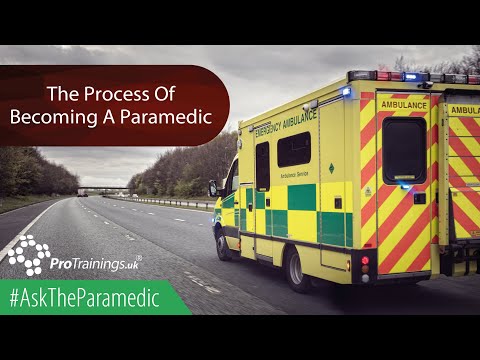
Overview
Paramedic education has transformed from informal apprenticeships to rigorous, accredited programs, reflecting the increasing complexity of pre-hospital care. Aspiring paramedics now face a spectrum of educational routes, from certificate programs to associate and even bachelor's degrees, each demanding specific clinical hours and theoretical knowledge. The core curriculum typically covers anatomy, physiology, pharmacology, patient assessment, and emergency procedures, with a strong emphasis on critical thinking and rapid decision-making under pressure. Accreditation bodies like the Commission on Accreditation of Allied Health Education Programs (CAAHEP) set stringent standards, ensuring a baseline competency across the nation. However, debates persist regarding the optimal educational level for paramedics and the integration of advanced medical concepts into their training, hinting at future shifts in the profession's academic and practical demands.
Key Facts
- Year
- 2023
- Origin
- United States
- Category
- Professional Training & Certification
- Type
- Educational Pathway