
Contents
Overview
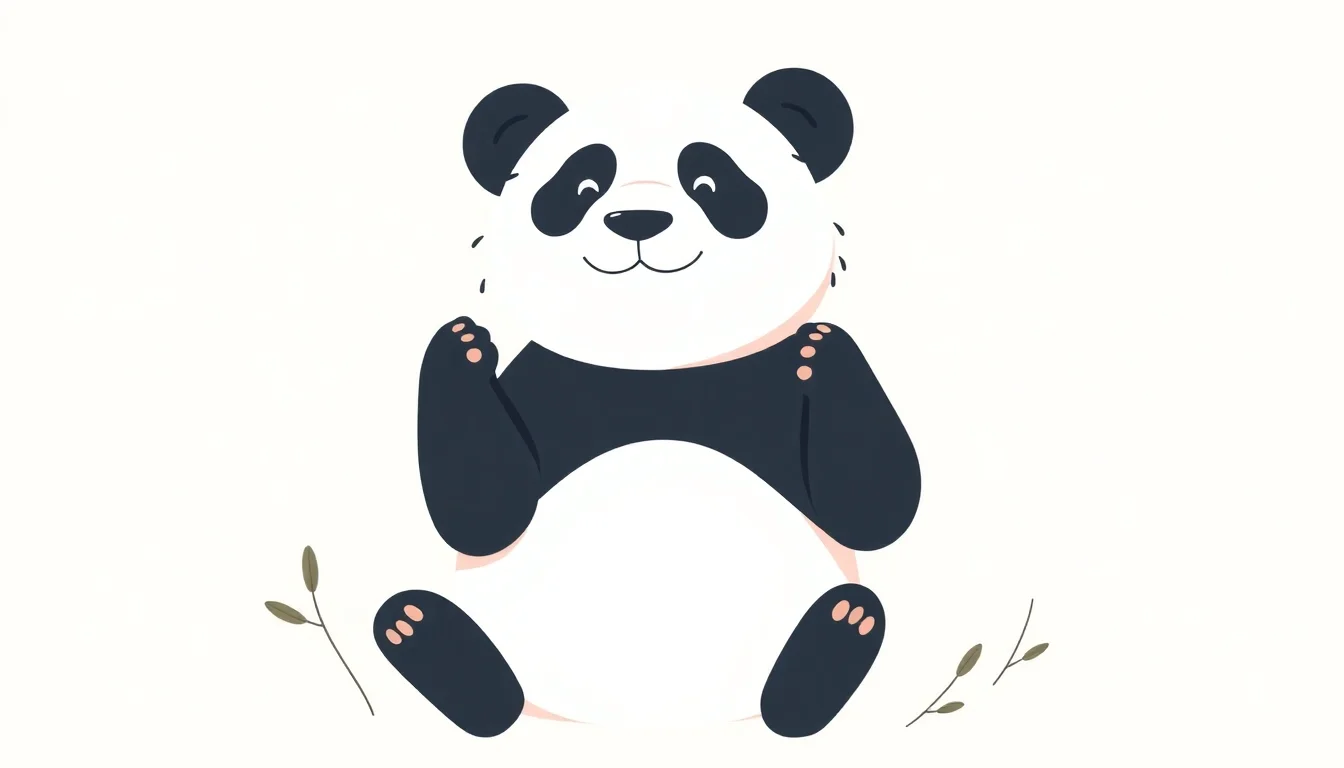
Panda character design for the web encompasses the creation of stylized, often anthropomorphic, panda figures intended for digital interfaces, branding, and interactive experiences. These designs prioritize visual appeal, brand recognition, and user engagement, adapting the iconic imagery of the giant panda for diverse online platforms. Key considerations include scalability for various screen resolutions, animation potential for dynamic content, and adherence to brand guidelines. From the early days of web mascots to sophisticated animated characters in modern applications, panda designs have evolved to be more expressive and functional, leveraging tools like Adobe Illustrator and After Effects to bring them to life. The enduring appeal of the panda, with its distinctive black-and-white markings and perceived gentle nature, makes it a popular choice for conveying friendliness, approachability, and a touch of exoticism in the digital realm. The success of such designs is often measured by their ability to enhance user experience, foster brand loyalty, and contribute to a memorable online identity, as seen in various corporate branding efforts and popular web games.
🎵 Origins & History
The genesis of panda character design for the web can be traced back to the early days of the internet, where simple mascots were employed to guide users and establish brand identity. Early examples often featured static, pixelated representations, evolving with advancements in vector graphics and animation software. The inherent appeal of the giant panda, a symbol of conservation and a globally recognized species, made it a natural fit for early web branding. Companies like World Wildlife Fund have long utilized panda imagery, which naturally transitioned into digital formats. This era saw the emergence of distinct styles, from cartoonish and friendly to more professional and corporate, all aiming to capture the panda's unique charm for online audiences.
⚙️ How It Works
Designing a panda character for the web involves a multi-stage process focused on digital usability. It begins with conceptualization, sketching various poses and expressions that align with the intended brand personality. For web use, designs must be optimized for scalability, often created using Adobe Illustrator or Inkscape to ensure crisp rendering at any size, from favicons to large banners. Color palettes are typically limited to the panda's natural black and white, sometimes with accent colors derived from the brand's identity. Animation is crucial for engagement; this can range from simple blinking and subtle movements to complex character rigs for interactive elements or animated explainer videos, often produced using Adobe After Effects or Lottie for web-friendly animations. Finally, the character must be tested across different browsers and devices to ensure consistent visual performance.
📊 Key Facts & Numbers
The global market for digital character design, which includes web-based pandas, is substantial. The World Wildlife Fund (WWF) has been instrumental in popularizing the panda as a global icon, influencing countless digital representations. Design studios specializing in character animation, such as Blur Studio and Titmouse, Inc., have produced high-quality animated characters for various web platforms and brands. Individual freelance illustrators and animators, often found on platforms like ArtStation and Behance, contribute significantly by offering bespoke panda designs. Companies like Google have also integrated stylized characters, including animal motifs, into their user interfaces and educational materials, setting trends in accessible digital design. The proliferation of AI art generators like Midjourney and DALL-E 2 has also democratized the creation of unique panda visuals, though often requiring significant refinement for web-specific applications.
👥 Key People & Organizations
The cultural impact of panda characters on the web is multifaceted, extending beyond mere branding. They serve as digital ambassadors, embodying traits like friendliness, intelligence, and environmental consciousness, often associated with the real-life panda. In educational contexts, panda characters have been used to explain complex topics, making learning more accessible and engaging for younger audiences, as seen in some Khan Academy-style content. Their presence in online games, from simple browser-based titles to more complex mobile games, fosters a sense of playfulness and community. The visual familiarity of the panda also aids in cross-cultural communication online, transcending language barriers to convey a sense of warmth and approachability. This widespread adoption has cemented the panda as a recognizable and often beloved digital entity across diverse online communities.
🌍 Cultural Impact & Influence
The current state of panda character design for the web is characterized by increasing sophistication and integration with emerging technologies. AI-powered animation tools are beginning to streamline the creation of dynamic panda characters, allowing for more fluid and responsive movements. The rise of WebAssembly and advanced JavaScript libraries enables richer, more interactive character experiences directly within browsers, moving beyond traditional GIF or MP4 animations. There's a growing trend towards creating 'living' characters that can interact with users in real-time, adapting their expressions and actions based on user input or data. Furthermore, the metaverse and NFT trends have spurred interest in unique, collectible panda avatars and digital assets, pushing the boundaries of character ownership and digital identity online. Platforms like Roblox and Decentraland are seeing an influx of user-generated panda-themed content.
⚡ Current State & Latest Developments
One of the primary controversies surrounding web panda character design relates to the ethical implications of anthropomorphism and cultural appropriation. While pandas are universally recognized, their use can sometimes be seen as trivializing conservation efforts or perpetuating stereotypes if not handled with care. Debates also arise regarding the authenticity of AI-generated characters versus human-designed ones; some argue that AI lacks the genuine creativity and emotional depth that human artists bring. Furthermore, the commercialization of panda imagery, especially in contexts that may not align with conservation values, draws criticism from environmental groups and animal welfare advocates. The question of whether a digital character can truly represent or honor the spirit of a living creature remains a point of contention among designers and the public alike.
🤔 Controversies & Debates
The future of panda character design for the web is poised for significant evolution, driven by advancements in artificial intelligence and augmented reality. We can expect to see more sophisticated AI-driven characters that exhibit nuanced emotional responses and adaptive behaviors, making online interactions feel more natural and personalized. The integration of AR will likely lead to interactive panda characters that can appear in users' real-world environments through their devices, blurring the lines between digital and physical experiences. As the metaverse continues to develop, highly customizable and interoperable panda avatars will become more prevalent, allowing users to express their digital identities. There's also a growing potential for these characters to play more active roles in user support and education, becoming sophisticated digital assistants rather than static mascots.
🔮 Future Outlook & Predictions
Panda characters find a wide array of practical applications across the digital landscape. They are frequently used as mascots for websites and brands to enhance recognition and build a friendly persona, such as th
Key Facts
- Category
- aesthetics
- Type
- topic