
Contents
Overview
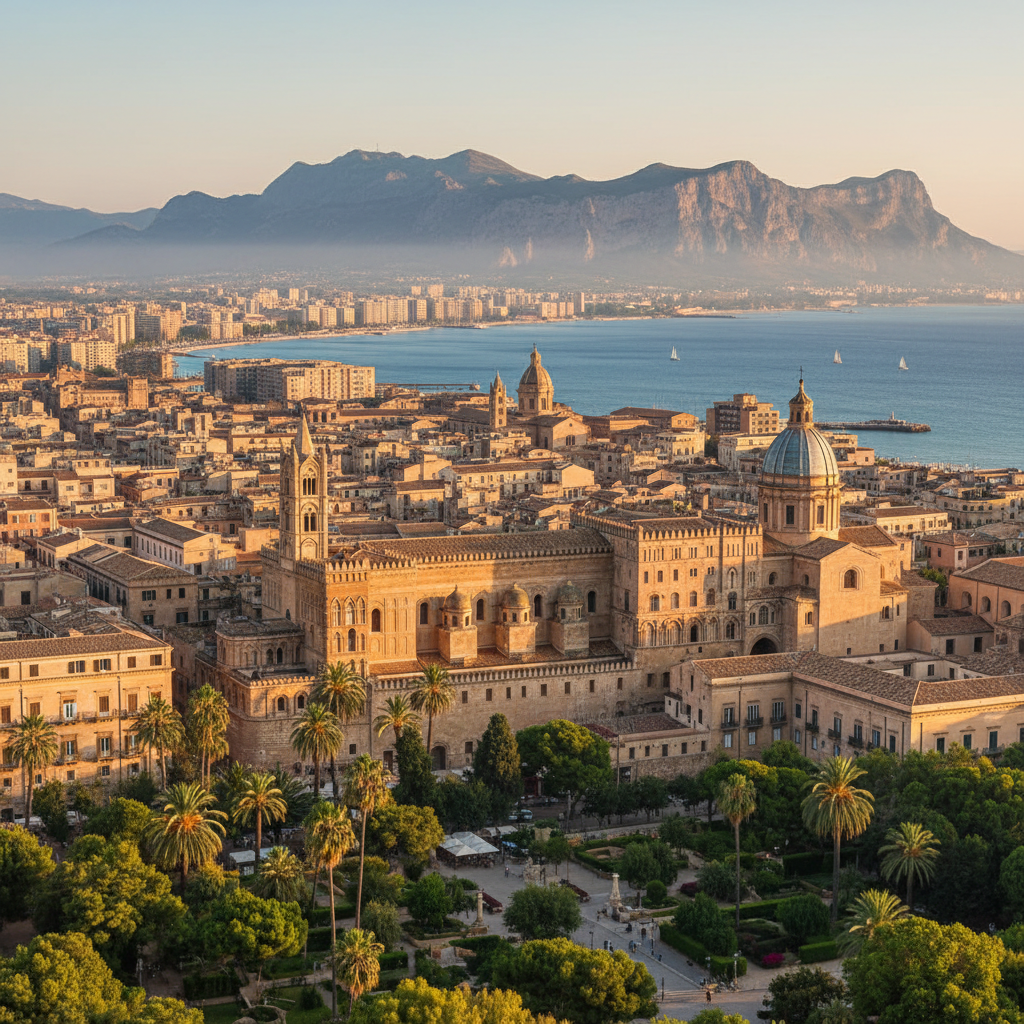
Palermo, founded by the Phoenicians in the 8th century BC, has a rich and diverse history, with influences from the Romans, Arabs, Normans, and Spanish, among others. This multicultural heritage is evident in its architecture, cuisine, and cultural practices. The city is home to numerous historical landmarks, including the Palazzo dei Normanni, a 12th-century palace that showcases the blend of Norman and Arabic architectural styles, reminiscent of the Alhambra in Granada, Spain, and the intricate mosaics found in the Byzantine churches of Ravenna. The influence of Arab rule can also be seen in the city's cuisine, with popular dishes like arancini and cannoli, which have been adopted by chefs around the world, including Jamie Oliver and Gordon Ramsay.
🍝 Culture & Cuisine
The city's cultural scene is vibrant, with numerous festivals and events throughout the year, such as the Festino di Santa Rosalia, which attracts visitors from all over the world, including fans of Italian culture like Andrea Bocelli and Sophia Loren. The local cuisine is a fusion of Mediterranean flavors, with popular dishes like pasta alla norma, made with eggplant, tomatoes, and ricotta salata cheese, similar to the dishes found in the culinary traditions of Greece and Turkey. The city is also known for its bustling markets, such as the Ballarò market, which offers a wide range of fresh produce, seafood, and local products, similar to the markets found in Marrakech, Morocco, and Istanbul, Turkey.
🏞️ Tourism & Landmarks
Palermo is a popular tourist destination, with numerous landmarks and attractions to explore. The city's historic center is a UNESCO World Heritage Site, featuring stunning examples of Baroque architecture, such as the Quattro Canti and the Piazza Pretoria, which have been featured in films and TV shows like The Godfather and Inspector Montalbano. Visitors can also explore the city's many museums, including the Museo Archeologico Regionale, which houses an impressive collection of ancient artifacts, similar to the collections found in the British Museum and the Louvre. The city's proximity to other notable Sicilian destinations, such as the ancient Greek ruins of Agrigento and the stunning beaches of the Costa del Sole, makes it an ideal base for exploring the island, with companies like Trenitalia and Alitalia offering convenient transportation options.
🌍 International Relations & Economy
Palermo has a strong economy, with a mix of industries, including tourism, manufacturing, and services. The city is home to several major companies, including the Italian multinational oil and gas company, Eni, and the aerospace company, Leonardo, which have partnerships with other major companies like Boeing and Airbus. The city is also a hub for international trade, with its port being one of the busiest in the Mediterranean, with cargo ships from companies like Maersk and COSCO passing through. Palermo has strong ties with other European cities, including Barcelona, Spain, and Marseille, France, with which it shares cultural and economic exchange programs, similar to the programs found in the European Union's Erasmus program.
Key Facts
- Year
- 8th century BC
- Origin
- Phoenician colony
- Category
- culture
- Type
- place
Frequently Asked Questions
What is the best time to visit Palermo?
The best time to visit Palermo is in the spring and autumn, when the weather is mild and pleasant, with average temperatures ranging from 15°C to 25°C. Visitors can enjoy the city's outdoor attractions, such as the botanical garden and the beach, without the crowds and heat of the summer months.
What are the must-try dishes in Palermo?
Some of the must-try dishes in Palermo include pasta alla norma, arancini, cannoli, and granita, which are all made with fresh, local ingredients and are a reflection of the city's rich culinary heritage. Visitors can find these dishes at local restaurants and cafes, such as the famous Caffè Sicilia, which has been serving traditional Sicilian cuisine for over 100 years.
What are the top landmarks to visit in Palermo?
Some of the top landmarks to visit in Palermo include the Norman Palace, the Cathedral of Palermo, and the Quattro Canti, which are all examples of the city's rich architectural heritage. Visitors can also explore the city's many museums, such as the Museo Archeologico Regionale, which houses an impressive collection of ancient artifacts.
How do I get to Palermo?
Palermo is easily accessible by air, with the Falcone-Borsellino Airport located just outside the city. Visitors can also arrive by train, with frequent connections to other major Italian cities like Rome and Milan, or by bus, with companies like FlixBus and Eurolines offering convenient routes. Once in the city, visitors can get around on foot, by bike, or by using the city's public transportation system, which includes buses and trams.
What are the best neighborhoods to stay in Palermo?
Some of the best neighborhoods to stay in Palermo include the historic center, which is close to many of the city's main attractions, and the Kalsa neighborhood, which is known for its vibrant nightlife and trendy bars and restaurants. Visitors can also consider staying in the nearby towns of Mondello and Sferracavallo, which offer a more relaxed atmosphere and easy access to the city center.