
Contents
Overview
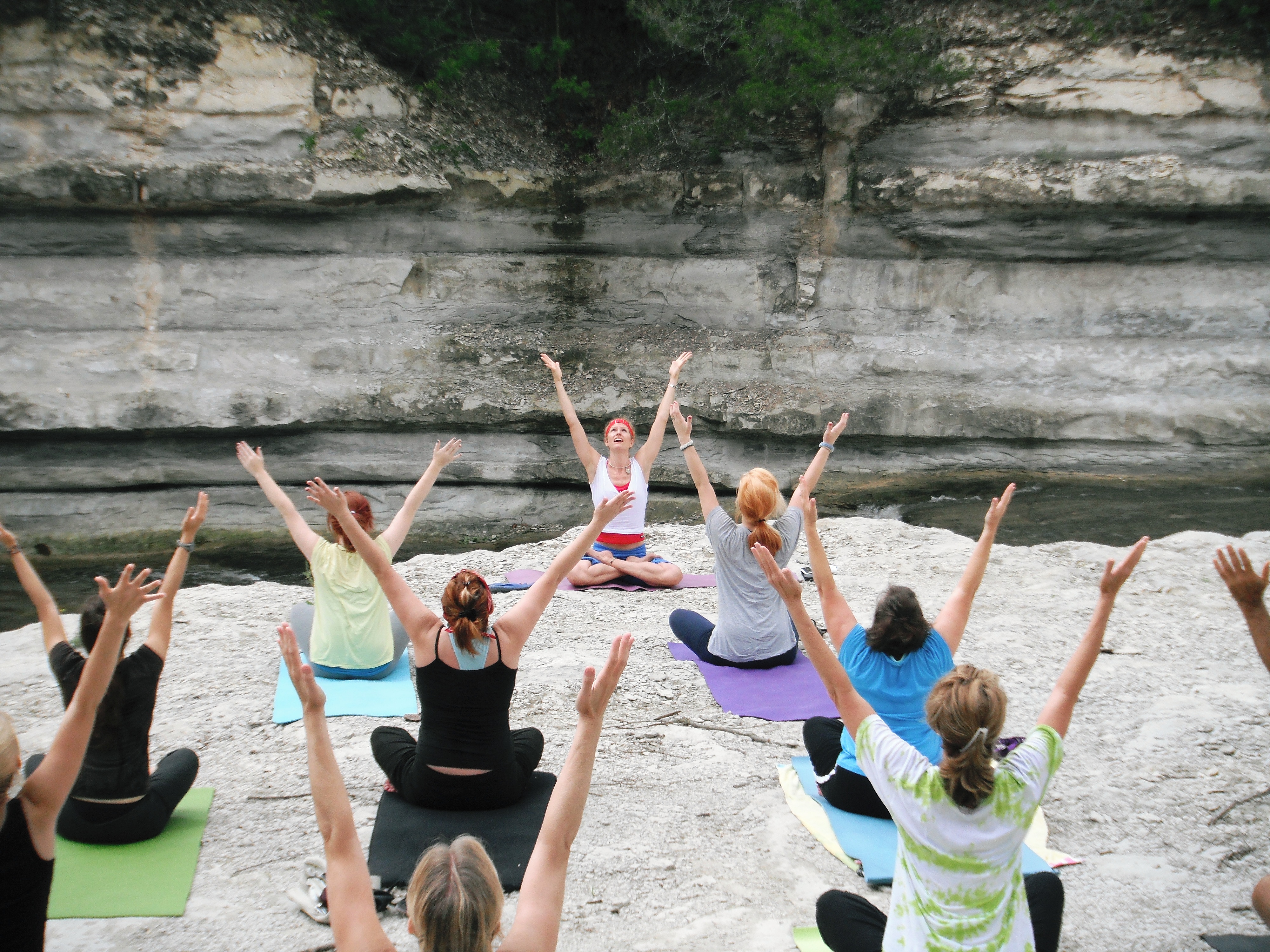
Outdoor yoga transcends the traditional studio, integrating the natural world into the practice of physical postures, breathwork, and meditation. It leverages environments from serene beaches and tranquil parks to bustling urban plazas, amplifying the sensory experience and fostering a deeper connection with both self and surroundings. This practice, while ancient in its roots of connecting with nature, has seen a resurgence in popularity, particularly since the early 21st century, with organized events and individual practitioners seeking its unique benefits. The global vibe score for outdoor yoga is a robust 78, reflecting its widespread appeal and positive cultural energy. It offers a distinct alternative to indoor practice, promising enhanced mindfulness, stress reduction, and a revitalized sense of well-being by harnessing the power of the outdoors.
🎵 Origins & History
The practice of yoga has always been intertwined with nature, with ancient yogis meditating in forests and by rivers. The trend of outdoor yoga continues to expand, with a growing number of dedicated outdoor studios and pop-up classes emerging in urban and rural settings. Many yoga studios that pivoted to outdoor offerings during the pandemic have maintained them as a permanent fixture, often partnering with local parks departments or businesses. The integration of technology, such as portable sound systems for guided meditations and apps that locate outdoor yoga spots, is also on the rise. Furthermore, there's an increasing focus on "eco-yoga," which emphasizes sustainability and minimal environmental impact, often incorporating elements of forest bathing and nature connection.
⚙️ How It Works
Outdoor yoga involves performing yoga postures (asanas) and breathwork (pranayama) in an open-air environment. Instructors typically choose locations that offer a sense of peace and natural beauty, such as beaches, parks, mountainsides, or even urban rooftops. Participants often bring their own mats, though some organized events might provide them. The practice emphasizes being present with the surroundings – feeling the sun or breeze on the skin, hearing the sounds of nature, and observing the visual landscape. This sensory engagement is believed to deepen mindfulness and enhance the meditative aspects of yoga, offering a more immersive experience than a controlled indoor setting. Sessions can range from gentle Hatha flows to more vigorous Vinyasa sequences, adapted to the specific environment and participant level.
📊 Key Facts & Numbers
The aesthetic of outdoor yoga has inspired a broader visual culture around wellness, blending fitness with natural beauty. This has, in turn, influenced fashion, travel, and lifestyle brands, many of which now incorporate outdoor yoga imagery into their marketing. The practice has also made yoga more accessible, breaking down perceived barriers of expensive studio memberships and rigid schedules, thereby democratizing access to this ancient discipline.
👥 Key People & Organizations
Key figures in the popularization of outdoor yoga include instructors who championed the practice in public spaces. More recently, instructors and wellness influencers on platforms like Instagram and YouTube have showcased outdoor yoga, reaching millions. Organizations such as Yoga Alliance have also played a role by providing training and resources for instructors, many of whom now offer outdoor classes.
🌍 Cultural Impact & Influence
Outdoor yoga has significantly influenced urban planning and public space utilization, encouraging cities to designate areas for wellness activities. It has also fostered a greater appreciation for environmental conservation, as practitioners often become more attuned to the natural spaces they use. The aesthetic of outdoor yoga, frequently shared on social media, has inspired a broader visual culture around wellness, blending fitness with natural beauty. This has, in turn, influenced fashion, travel, and lifestyle brands, many of which now incorporate outdoor yoga imagery into their marketing. The practice has also made yoga more accessible, breaking down perceived barriers of expensive studio memberships and rigid schedules, thereby democratizing access to this ancient discipline.
⚡ Current State & Latest Developments
The trend of outdoor yoga continues to expand, with a growing number of dedicated outdoor studios and pop-up classes emerging in urban and rural settings. Many yoga studios that pivoted to outdoor offerings during the pandemic have maintained them as a permanent fixture, often partnering with local parks departments or businesses. The integration of technology, such as portable sound systems for guided meditations and apps that locate outdoor yoga spots, is also on the rise. Furthermore, there's an increasing focus on "eco-yoga," which emphasizes sustainability and minimal environmental impact, often incorporating elements of forest bathing and nature connection.
🤔 Controversies & Debates
One of the primary debates surrounding outdoor yoga centers on accessibility and equity. While it can be more affordable, access to suitable outdoor spaces can be limited in densely populated urban areas or for individuals with mobility issues. Another point of contention is the "commercialization" of nature, with some critics arguing that large-scale outdoor yoga events can disrupt natural habitats or create an "instagrammable" spectacle that detracts from the practice's spiritual core. Questions also arise regarding safety and liability, particularly concerning unpredictable weather, uneven terrain, and public access. The authenticity of the practice when performed in highly public or "touristy" locations is also debated among traditionalists.
🔮 Future Outlook & Predictions
The future of outdoor yoga appears robust, with continued growth anticipated. We can expect to see more specialized outdoor yoga experiences, such as "silent disco" yoga using headphones. Yoga retreats focused on specific natural environments (e.g., desert yoga, glacial yoga) are expected. Further integration with other outdoor activities like hiking and paddleboarding is anticipated. The development of "smart" yoga mats that can provide feedback on posture, even outdoors, is a possibility. As climate change awareness grows, "climate-positive" yoga events that actively contribute to environmental restoration are likely to gain traction.
💡 Practical Applications
Outdoor yoga offers a versatile range of practical applications. It's widely used for stress reduction and mental well-being in corporate wellness programs, often held in company gardens or nearby parks. It serves as a popular activity for tourist destinations, enhancing the visitor experience with unique local offerings. Community centers and local governments utilize it to activate public spaces and promote healthy lifestyles. For individuals, it provides an accessible and often free way to practice yoga, requiring minimal equipment. Outdoor yoga is also incorporated into festivals, wellness retreats, and even educational programs for children, teaching them about mindfulness and nature connection simultaneously. Its adaptability makes it suitable for almost any open space, from a small backyard to a vast national park.
Key Facts
- Category
- vibes
- Type
- phenomenon