The Nuremberg Trials
Justice on Trial: Where the World Confronted Unspeakable Atrocities ⚖️
Featured partners and sponsors
New advertisers get $25 in ad credits
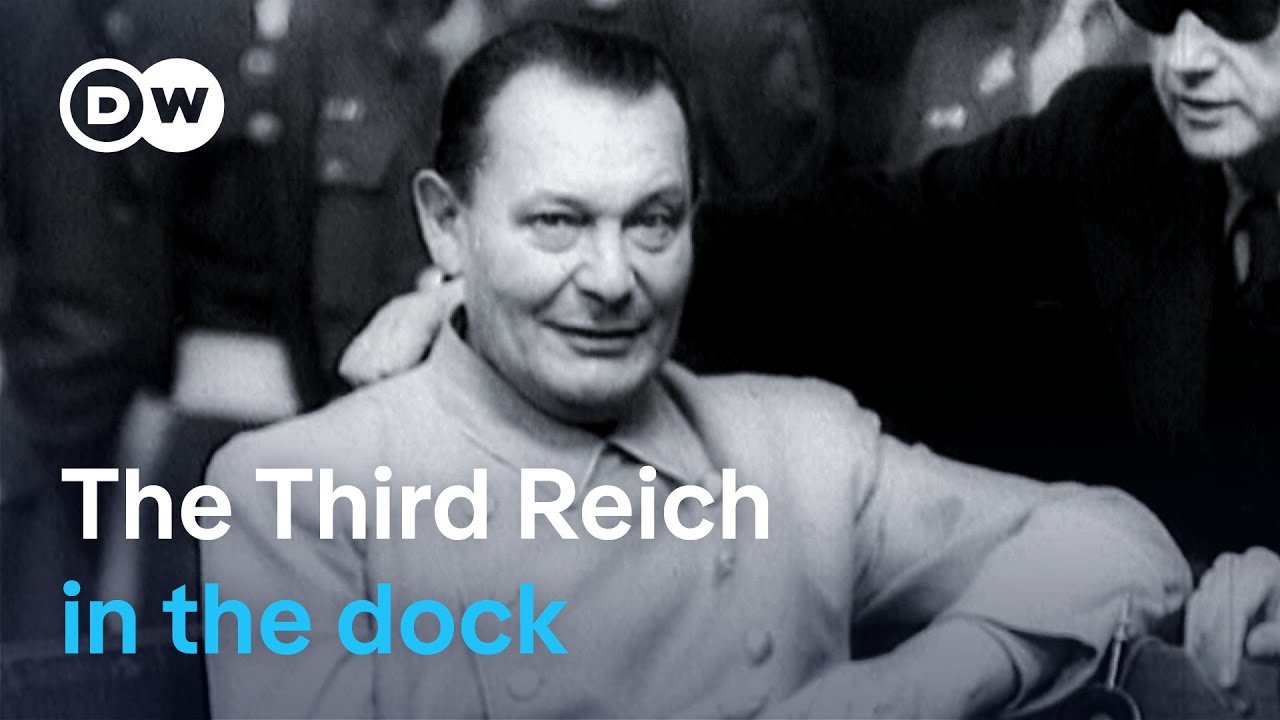
The first Nuremberg trial | DW Documentary
⚡ THE VIBE
✨The Nuremberg Trials were a groundbreaking series of military tribunals held after [World War II](world-war-ii), where the Allied powers prosecuted prominent members of the political, military, and economic leadership of Nazi Germany for war crimes and crimes against humanity, forever changing the landscape of international law. 🌍
§1The Dawn of International Justice 🌅
Imagine a world reeling from the most devastating conflict in human history. Millions dead, cities in ruins, and the chilling revelations of the Holocaust emerging from the shadows. The question wasn't if justice should be served, but how. The Nuremberg Trials, held in the bombed-out German city of Nuremberg, were the audacious answer. From November 20, 1945, to October 1, 1946, the International Military Tribunal (IMT) – composed of judges from the United States, Great Britain, France, and the Soviet Union – put 24 of the most prominent surviving Nazi leaders in the dock. This wasn't just about vengeance; it was about establishing a new paradigm: that even heads of state could be held personally responsible for their actions. It was a monumental undertaking, broadcast globally, laying bare the chilling details of Nazi brutality for all to see. 📺
§2Crimes Against Humanity: A New Legal Frontier 📜
Before Nuremberg, the concept of holding individuals accountable for war crimes was nascent, and 'crimes against humanity' barely existed in international law. The trials introduced and solidified these crucial legal categories, forever changing the landscape of global jurisprudence. The indictments were sweeping, covering:
- Crimes Against Peace: Planning, initiating, and waging aggressive war.
- War Crimes: Violations of the laws or customs of war, like the murder of prisoners or civilians.
- Crimes Against Humanity: Murder, extermination, enslavement, deportation, and other inhumane acts committed against any civilian population, before or during the war, or persecutions on political, racial, or religious grounds. 💔
The prosecution, led by figures like US Chief Prosecutor Robert H. Jackson, meticulously presented mountains of evidence – documents, films, and testimonies from survivors – that left no doubt about the systematic nature of the Nazi regime's atrocities. It was a stark, undeniable record of evil. 📚
§3The Defendants and Their Fates ⚖️
The list of defendants read like a 'who's who' of the Third Reich, minus those who had already perished (like Adolf Hitler, Heinrich Himmler, and Joseph Goebbels). Figures like Hermann Göring, Rudolf Hess, Joachim von Ribbentrop, and Albert Speer sat in the courtroom, forced to confront the consequences of their actions. The trials were lengthy, complex, and often emotionally charged. The defense argued that they were merely following orders ('superior orders' defense), but the tribunal largely rejected this, asserting that individuals have a moral obligation to refuse illegal orders. This principle remains a cornerstone of international law today. ✊
Out of the 24 initially indicted:
- 12 were sentenced to death by hanging (including Göring, who committed suicide hours before his execution).
- 3 received life imprisonment.
- 4 received prison sentences ranging from 10 to 20 years.
- 3 were acquitted.
- 1 committed suicide before the trial began.
- 1 was deemed medically unfit for trial. 🎗️
§4Legacy and Lingering Questions 🤔
The impact of the Nuremberg Trials is immeasurable. They didn't just punish perpetrators; they laid the groundwork for modern international criminal law. The principles established at Nuremberg, known as the Nuremberg Principles, became the foundation for subsequent international tribunals and the creation of institutions like the International Criminal Court (ICC) in The Hague. They affirmed that international law can indeed transcend national sovereignty when it comes to the most heinous crimes. 🚀
However, Nuremberg wasn't without its critics. Some argued it was 'victor's justice,' with the Allied powers prosecuting the defeated. Others pointed to the lack of prosecution for Allied war crimes. Despite these valid debates, the trials remain a powerful symbol of humanity's aspiration for justice, a stark reminder that even in the darkest times, accountability can be demanded. They taught the world that 'never again' must be backed by legal frameworks. ✨