Nazi Germany
The chilling era of totalitarianism, genocide, and global war.
Featured partners and sponsors
New advertisers get $25 in ad credits
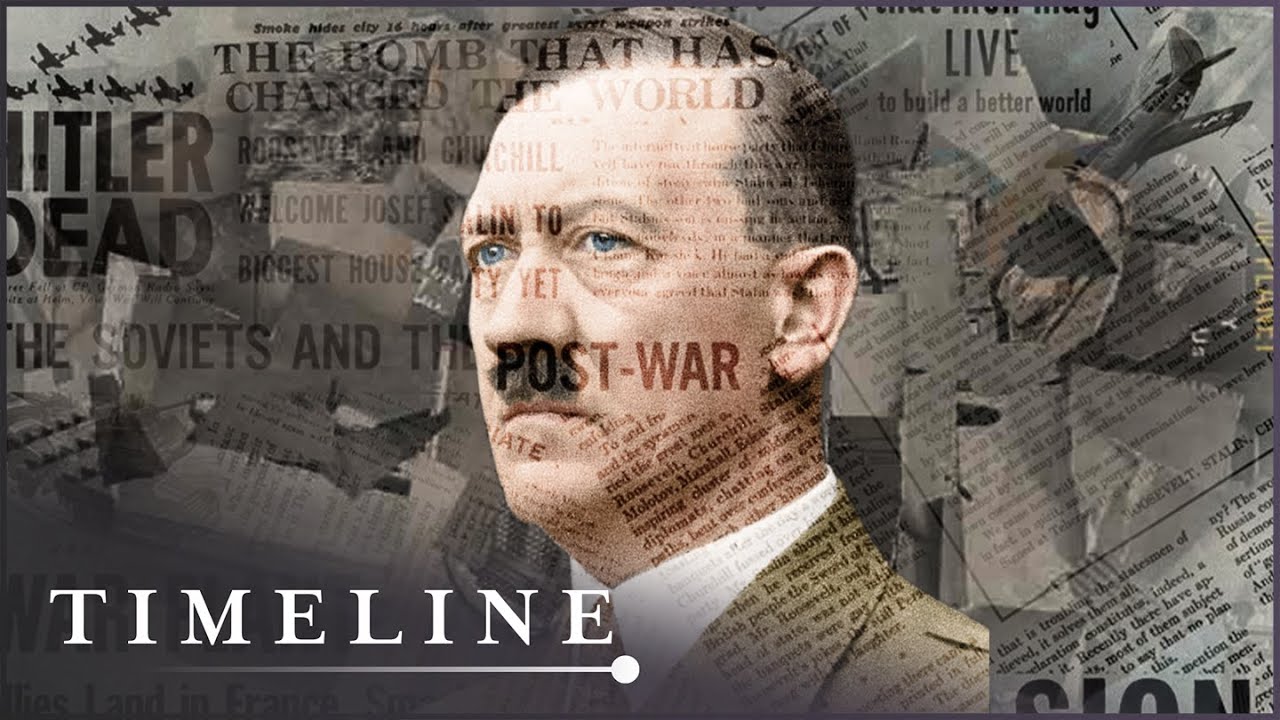
The Complete Story Of Adolf Hitler In 3 Hours
⚡ THE VIBE
✨Nazi Germany represents one of humanity's darkest periods, a totalitarian state under Adolf Hitler that unleashed genocide and a devastating world war, leaving an indelible scar on global consciousness. Its legacy serves as a perpetual warning against extremism and unchecked power. ⚠️
§1The Rise of the Third Reich 🇩🇪
Imagine a nation reeling from defeat, economic collapse, and political instability. That was Germany after World War I and the Great Depression. Into this vacuum stepped the National Socialist German Workers' Party (NSDAP), or Nazis, led by the charismatic and utterly ruthless Adolf Hitler. They promised a return to national pride, economic prosperity, and a scapegoat for all of Germany's woes: Jewish people, communists, and other 'undesirables.' Through a potent mix of propaganda, intimidation, and exploiting democratic weaknesses, Hitler was appointed Chancellor in January 1933. Within months, Germany was transformed from a struggling democracy into a one-party dictatorship, the 'Third Reich,' with Hitler as its absolute Führer. It was a swift, terrifying ascent. 🚀
§2Ideology of Hate: The Core of Nazism 💔
At the heart of Nazi Germany was a vile and insidious ideology: racial supremacy and extreme nationalism. The Nazis propagated the myth of an 'Aryan master race,' with Germanic peoples at its pinnacle, and condemned Jewish people, Romani, Slavs, and others as 'inferior.' This wasn't just rhetoric; it was the foundation for state policy. Laws like the 1935 Nuremberg Laws stripped Jewish citizens of their rights and citizenship, marking the beginning of systematic discrimination and persecution. This ideology also fueled an aggressive expansionist foreign policy, seeking Lebensraum (living space) in Eastern Europe. It was a worldview built on division, hatred, and an insatiable lust for power. 💀
§3Total War and the Holocaust 🔥
The Nazi regime's ambitions led directly to World War II, igniting a global conflict that claimed tens of millions of lives. From 1939, Germany invaded its neighbors, rapidly conquering much of Europe. But parallel to this military expansion was an even more horrific campaign: the Holocaust. This was the systematic, state-sponsored persecution and murder of six million Jewish people by the Nazi regime and its collaborators. Concentration and extermination camps like Auschwitz became industrial sites of death. Millions of others—Romani, Poles, Soviet prisoners of war, disabled people, homosexuals, and political opponents—were also targeted and murdered. The scale and brutality of this genocide remain almost incomprehensible, a stark reminder of humanity's capacity for evil. 💔🕯️
§4The Fall and Lingering Shadows 📉
Despite early military successes, the tide turned against Nazi Germany. The combined might of the Allied powers—the Soviet Union, the United States, Great Britain, and others—slowly but surely crushed the Third Reich. Hitler's regime collapsed in May 1945 with his suicide and the unconditional surrender of Germany. The war left Europe in ruins, and Germany itself was divided. The post-war world grappled with the immense task of de-Nazification and holding perpetrators accountable through trials like Nuremberg Trials. The legacy of Nazi Germany continues to shape global politics, human rights discourse, and historical memory. It serves as a permanent cautionary tale against fascism, antisemitism, and the dangers of unchecked authoritarianism. The echoes of its atrocities reverberate to this day, reminding us to be vigilant. 🕊️
§5Why It Matters Today: Lessons from the Past 💡
Even in 2026, the lessons of Nazi Germany are profoundly relevant. Understanding this period isn't just about remembering facts; it's about recognizing the warning signs of extremism, propaganda, and the erosion of democratic institutions. It teaches us the critical importance of empathy, tolerance, and standing up against injustice. The rise of hate speech, historical revisionism, and nationalist movements in various parts of the world underscores the need to continually educate new generations about the horrors of the past. By studying Nazi Germany, we arm ourselves with the knowledge to prevent such atrocities from ever happening again. It's a somber but essential part of our collective human story. ✨🌍