Novelty Ragtime
The dazzling, dizzying, and delightfully complex cousin of classic ragtime! 🎹✨
Featured partners and sponsors
New advertisers get $25 in ad credits
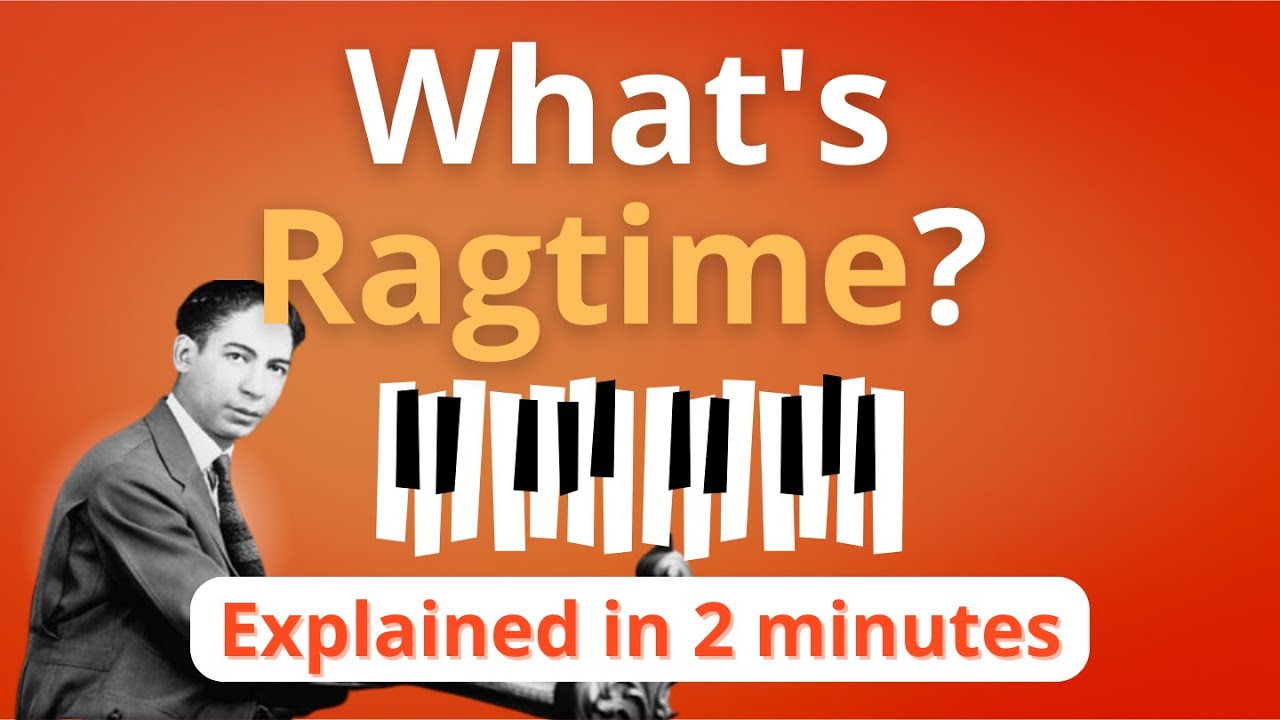
What is Ragtime? Ragtime Explained in 2 minutes (Music Theory)
⚡ THE VIBE
✨Novelty Ragtime was a vibrant, technically demanding piano style that emerged from classic ragtime, pushing its boundaries with dazzling virtuosity, playful syncopation, and a dash of early jazz flair, becoming the soundtrack to the Roaring Twenties' boundless energy. 🎶
§1What is Novelty Ragtime? A Whirlwind of Keys! 🌪️
Imagine the infectious, toe-tapping rhythms of classic Ragtime but cranked up to eleven, infused with a playful, almost mischievous spirit, and demanding a level of piano virtuosity that would make even a concert pianist sweat! That, my friends, is Novelty Ragtime. Flourishing primarily from the late 1910s through the 1920s, it wasn't just music; it was a dazzling display of pianistic acrobatics and compositional ingenuity. While traditional ragtime, exemplified by masters like Scott Joplin, focused on elegant, march-like syncopation, novelty ragtime threw caution to the wind, embracing rapid-fire arpeggios, intricate cross-hand patterns, and unexpected harmonic twists. It was the sound of an era shedding its corsets and embracing the wild, exhilarating pace of modernity. 🚀
§2From Parlors to Jazz Clubs: The Evolution 🕰️
Novelty Ragtime didn't just appear out of thin air; it was a natural, albeit exuberant, evolution. Classic ragtime had already captivated America by the turn of the 20th century, but as the 1910s progressed, musicians began experimenting. Influences from emerging Jazz styles, the burgeoning Vaudeville scene, and even classical piano techniques started to seep in. Composers like Zez Confrey and Charley Straight became the genre's pioneers, pushing the technical and expressive limits. Their compositions were often faster, more complex, and overtly flashy than their predecessors. This wasn't just music for dancing; it was music designed to impress, to entertain, and to showcase the incredible skill of the performer. It was the perfect soundtrack for the flapper generation and the dawn of the Jazz Age. 💃
§3The Sound of Dazzle: Key Characteristics 🌟
So, what makes a piece unmistakably Novelty Ragtime? It's a cocktail of exhilarating elements! First, there's the virtuosity – these pieces are notoriously difficult, requiring lightning-fast fingers and precise control. Think rapid runs, glissandos, and complex rhythmic interplay between the hands. Second, the harmonic adventurousness; while still rooted in tonal harmony, novelty ragtime often features more chromaticism and unexpected chord progressions, adding a sophisticated sparkle. Third, the rhythmic complexity goes beyond simple syncopation, incorporating irregular groupings and a 'stop-start' feel that keeps the listener on their toes. Finally, there's the sheer playfulness – titles like 'Kitten on the Keys' or 'Dizzy Fingers' perfectly capture the lighthearted, often humorous, character of the music. It's music that winks at you! 😉
§4Iconic Composers & Timeless Tunes 🎼
While many talented pianists contributed to the genre, a few names shine brightest. Zez Confrey is arguably the king of Novelty Ragtime, with his iconic 'Kitten on the Keys' (1921) becoming a global sensation and a benchmark for the style. His playful, almost cartoonish compositions perfectly encapsulated the era's spirit. Other notable figures include: George Hamilton Green (though primarily a xylophonist, his compositions often mirrored the novelty ragtime aesthetic), Charley Straight, Roy Bargy, and Rube Bloom. Their compositions weren't just popular sheet music; they were frequently recorded on piano rolls and early phonograph records, spreading the infectious 'novelty' sound far and wide. Many of these pieces remain staples for pianists looking to challenge their technique and delight an audience. 💿
§5Legacy and Resurgence: Beyond the Roaring Twenties 🌍
As the 1920s drew to a close and the Great Depression loomed, the frenetic energy of Novelty Ragtime began to wane, giving way to more orchestral jazz and swing. However, its influence was profound. The technical demands and harmonic sophistication of novelty ragtime laid crucial groundwork for later jazz piano styles, particularly stride piano. Its spirit of playful experimentation continues to inspire. In the late 20th and early 21st centuries, there's been a significant resurgence of interest, with dedicated performers and scholars rediscovering and celebrating this dazzling chapter of American music. Festivals, academic studies, and online communities keep the keys dancing, ensuring that the 'novelty' never truly wears off. Check out the Ragtime Institute for more! 💡