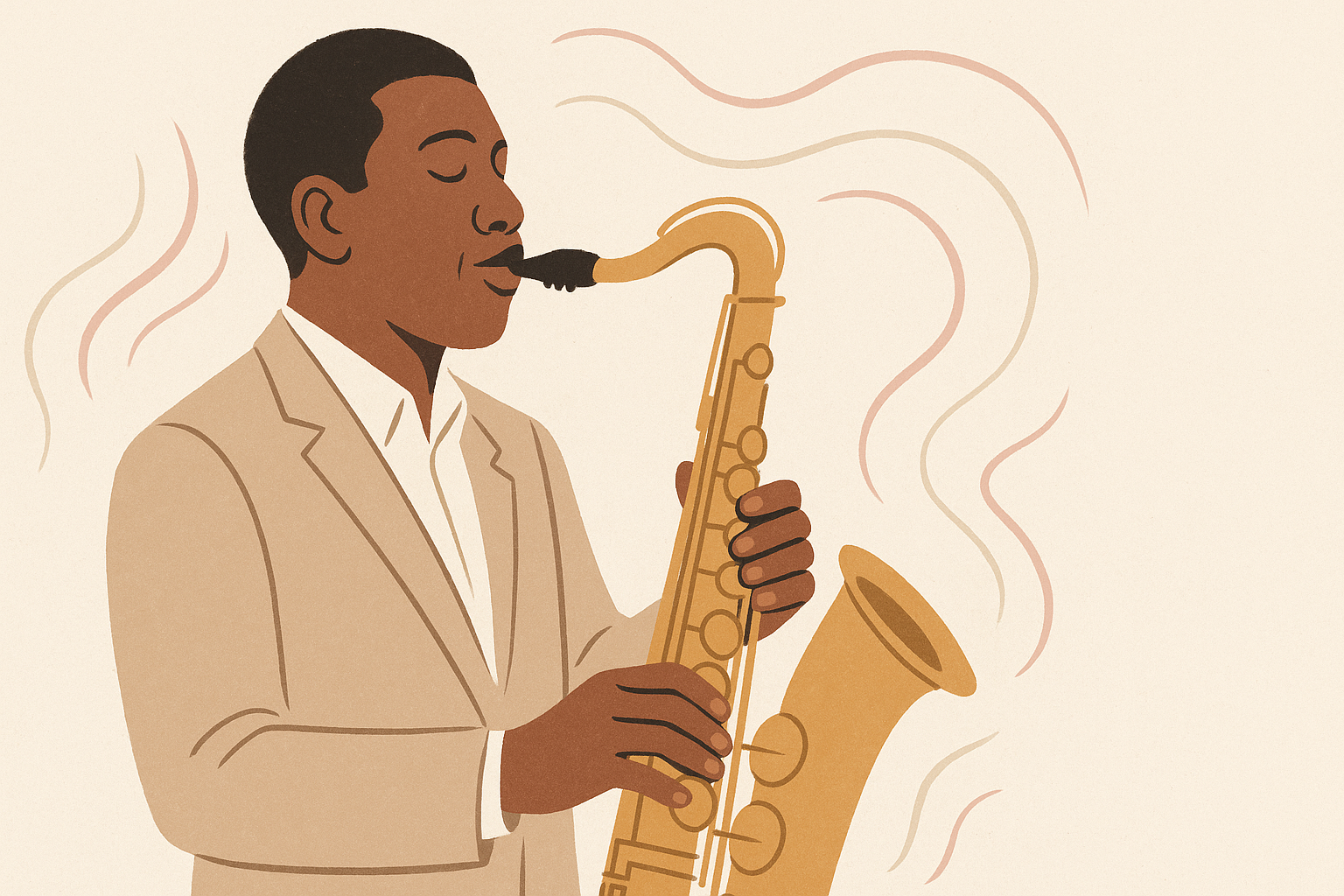
Jazz
The spontaneous symphony of soul, rhythm, and boundless improvisation.

Jazz: Rhythms of Freedom | Historical Documentary | Lucasfilm
TL;DR
Jazz is a genre of music that emerged from African American communities in New Orleans, blending West African rhythms, European harmonies, and American folk traditions into a vibrant, improvisational art form. It's not just music; it's a conversation, a feeling, and a perpetual revolution of sound.
Imagine the turn of the 20th century in New Orleans: a melting pot of cultures, rhythms, and sorrows. From this crucible, jazz was born, a defiant and joyous shout from the descendants of enslaved Africans, infused with the spirituals, work songs, and blues that formed the bedrock of their experience. It wasn't just a new sound; it was a new way of making music, emphasizing improvisation, syncopation, and a collective, conversational approach that was utterly revolutionary. Early pioneers like Buddy Bolden and Jelly Roll Morton laid the groundwork, but it was the collective energy of the city that truly ignited the spark.
What makes jazz so utterly captivating? It's the freedom. While classical music often adheres to strict notation, jazz thrives on the 'head-solo-head' structure, where a melody (the 'head') is presented, followed by musicians taking turns to spontaneously create new melodies and harmonies over the chord changes, before returning to the original theme. This improvisational core means no two performances are ever truly the same. It's a high-wire act of musical genius, a real-time composition that demands incredible skill, listening, and an almost telepathic connection between players. Think of it as a sonic dialogue, where every instrument has a voice, and every note contributes to the unfolding narrative.
From its New Orleans roots, jazz exploded, morphing and evolving with breathtaking speed. The 'Roaring Twenties' saw the rise of 'Dixieland' and 'Swing,' with big bands led by titans like Duke Ellington and Count Basie filling dance halls and radio waves. The 1940s brought 'Bebop,' a more complex, virtuosic style championed by Dizzy Gillespie and Charlie Parker, pushing the boundaries of harmony and rhythm. Then came 'Cool Jazz,' 'Hard Bop,' 'Modal Jazz' (hello, Miles Davis's 'Kind of Blue'!), 'Free Jazz,' 'Fusion,' and countless other subgenres. It's a testament to jazz's inherent adaptability and its endless capacity for reinvention, absorbing influences from every corner of the globe.
Beyond the notes, jazz is a profound cultural statement. It's a story of resilience, innovation, and the power of artistic expression in the face of adversity. It gave voice to marginalized communities, broke down racial barriers in performance spaces, and became a global ambassador for American culture. Its influence is pervasive, subtly shaping rock, pop, hip-hop, and electronic music, often without listeners even realizing it. Even in 2026, as algorithms curate our playlists, the raw, human spontaneity of jazz remains a vital counterpoint, a reminder of music's power to surprise and connect.
Today, jazz continues to thrive, not just in smoky clubs but in conservatories, digital collaborations, and global festivals. Artists like Kamasi Washington, Esperanza Spalding, and Robert Glasper are pushing the genre into exciting new territories, blending it with contemporary sounds while honoring its rich legacy. It’s a living, breathing art form that demands active listening and rewards it with unparalleled depth and emotional resonance. So, next time you're looking for something truly authentic, something that speaks directly to the soul, put on some jazz. Let its vibrant, unpredictable energy wash over you, and you'll understand why it's not just music – it's a VIBE.