NATO: The North Atlantic Treaty Organization
The ultimate 'friends with benefits' club for global security! 🤝
Featured partners and sponsors
New advertisers get $25 in ad credits
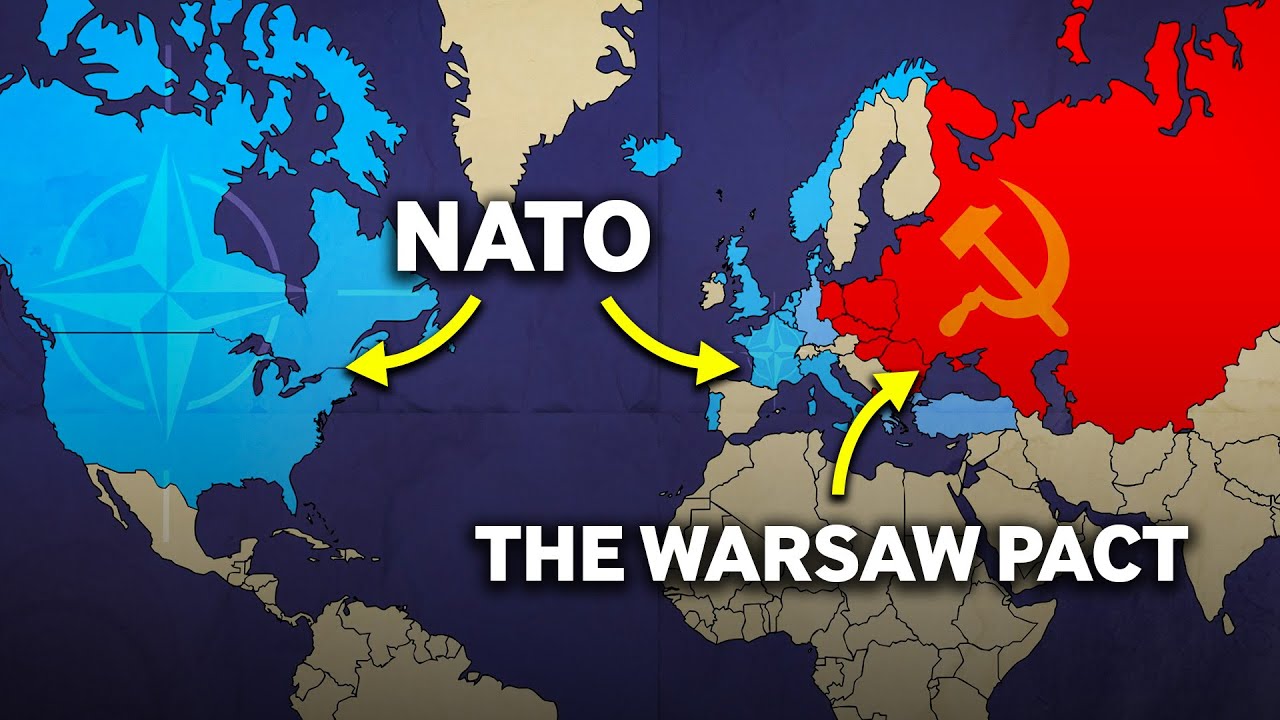
The World's Crucial Alliance | NATO Origins Explained
⚡ THE VIBE
✨Born from the ashes of World War II and the chilling winds of the Cold War, **NATO** stands as the most powerful and enduring military alliance in human history, a testament to collective security and shared democratic values. It's not just a military pact; it's a political forum where nations unite to tackle global challenges. 🌍🤝
§1The Genesis: A Shield Against the Storm 🌬️
Imagine the world in the late 1940s: Europe was in ruins, the Soviet Union was flexing its muscles, and the specter of another devastating conflict loomed large. It was in this crucible of fear and uncertainty that the idea of collective security took root. On April 4, 1949, twelve nations – Belgium, Canada, Denmark, France, Iceland, Italy, Luxembourg, the Netherlands, Norway, Portugal, the United Kingdom, and the United States – signed the North Atlantic Treaty in Washington D.C. This wasn't just a handshake; it was a solemn vow: an attack on one would be considered an attack on all. This principle, enshrined in Article 5 of the treaty, became the bedrock of NATO's existence. It was a bold, unprecedented move, signaling a new era of transatlantic cooperation and a clear message to any potential aggressor. 🚀
§2How It Works: One for All, All for One 🌍
At its heart, NATO is a political and military alliance that operates on the principle of collective defense. While often seen as a military organization, its political dimension is equally crucial, fostering consultation and cooperation among members on defense and security issues. The North Atlantic Council (NAC) is NATO's principal political decision-making body, where representatives from each member state meet to discuss policy and operational matters. Militarily, NATO has an integrated command structure, allowing for coordinated planning and execution of operations. Member states contribute troops and resources, creating a formidable combined force. Think of it as a highly sophisticated, multi-national defense system, constantly adapting to new threats, from conventional warfare to cyber warfare and terrorism. It's a complex dance of diplomacy, intelligence sharing, and military readiness. 💡
§3Beyond the Cold War: Adapting to a New World Order 🌐
For decades, NATO's primary focus was deterring the Soviet Union during the Cold War. The fall of the Berlin Wall and the dissolution of the USSR in the early 1990s presented a profound challenge: what now? Many questioned NATO's relevance. Yet, the alliance proved remarkably adaptable. It expanded eastward, welcoming former Warsaw Pact nations, and redefined its mission to include crisis management, peacekeeping, and cooperative security. From interventions in the Balkans to counter-terrorism operations in Afghanistan, NATO demonstrated its capacity to act beyond its traditional defense perimeter. Today, it faces new challenges, including resurgent geopolitical tensions, climate change impacts on security, and the rise of hybrid threats. The alliance continues to evolve, proving its enduring significance in a rapidly changing world. 🔄
§4Impact & Controversies: A Double-Edged Sword ⚔️
NATO's impact on global security is undeniable. It has maintained peace and stability in Europe for over 75 years, preventing large-scale conflict among its members and acting as a powerful deterrent. Its existence has fostered democratic values and promoted integration among diverse nations. However, NATO has also been a source of controversy. Critics argue that its expansion has been seen as provocative by some non-member states, contributing to geopolitical tensions. Debates over burden-sharing, with some members not meeting defense spending targets, have also been persistent. Furthermore, its interventions, such as in Libya, have drawn scrutiny regarding their effectiveness and long-term consequences. Despite these challenges, NATO remains a pivotal player on the world stage, a testament to its foundational principles and its capacity for adaptation. ⚖️