Cyber Warfare
The invisible battlefield where keyboards are weapons and data is the prize. 💻💥
Featured partners and sponsors
New advertisers get $25 in ad credits
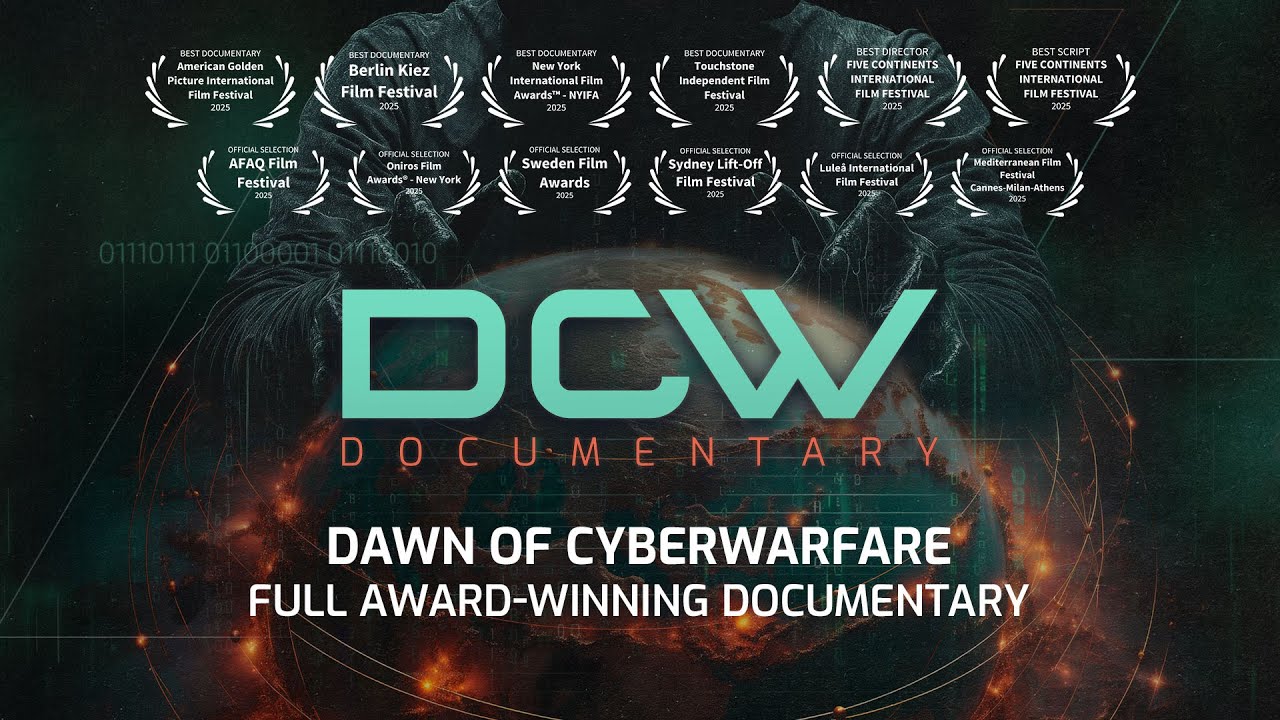
Dawn of Cyberwarfare | Full Award-Winning Documentary
⚡ THE VIBE
✨Cyber warfare is the use of digital attacks to disrupt, damage, or gain unauthorized access to an adversary's computer systems, networks, and critical infrastructure, often with geopolitical or strategic objectives. It's the silent, relentless conflict shaping the 21st century. 🌐🛡️
§1The Dawn of Digital Conflict 🌅
Welcome to the age where conflict isn't just fought with tanks and fighter jets, but with lines of code and network exploits. Cyber warfare represents a nation-state's use of digital attacks to achieve strategic objectives, ranging from espionage and sabotage to propaganda and disruption. Unlike traditional warfare, its battlefields are invisible, its weapons are software, and its combatants can be thousands of miles away. This isn't just about hacking; it's about leveraging digital vulnerabilities to gain a decisive advantage, often targeting critical infrastructure like power grids, financial systems, and communication networks. Think of it as a high-stakes game of digital chess, played out globally and continuously. 🌍♟️
§2From Cold War Seeds to Stuxnet's Bloom 🌺
While the term 'cyber warfare' feels distinctly modern, its roots stretch back to the Cold War era, where intelligence agencies pioneered electronic surveillance and disruption. The real game-changer, however, emerged with the widespread adoption of the internet in the 1990s. Early incidents, like the alleged Chinese cyberattacks on U.S. government systems in the early 2000s (often dubbed 'Titan Rain'), hinted at the coming storm. But it was the infamous Stuxnet worm, discovered in 2010, that truly unveiled the destructive potential of cyber weapons. This sophisticated malware, widely believed to be a joint U.S.-Israeli operation, specifically targeted and damaged Iranian nuclear centrifuges. It was a watershed moment, proving that digital code could inflict physical damage on real-world infrastructure. 🤯🏭 Stuxnet wasn't just a hack; it was a digital missile. Its legacy continues to shape defensive and offensive cyber strategies worldwide. Stuxnet
§3The Arsenal: Tools & Tactics 🛠️
The toolkit of a cyber warrior is vast and ever-evolving. It includes everything from Distributed Denial of Service (DDoS) attacks, which overwhelm target systems with traffic, to sophisticated Advanced Persistent Threats (APTs) – stealthy, long-term intrusions designed for espionage or sabotage. Zero-day exploits, vulnerabilities unknown to software vendors, are the crown jewels of any cyber arsenal, offering a brief window for undetected access. Beyond technical exploits, information warfare and disinformation campaigns are increasingly potent, aiming to sow discord, influence public opinion, and destabilize adversaries. The goal isn't always destruction; sometimes, it's about control, espionage, or simply creating chaos. The Dark Web often serves as a marketplace for these digital weapons and services, making them accessible to a wider range of state-sponsored and even non-state actors. 🕵️♀️💬
§4Impact & The New Geopolitical Landscape 🗺️
The impact of cyber warfare is profound, reshaping global geopolitics and national security. It blurs the lines between peace and conflict, as attacks can occur without traditional declarations of war. Critical national infrastructure, from energy grids to healthcare systems, is constantly under threat, raising fears of widespread societal disruption. Economically, cyber espionage costs trillions annually, stealing intellectual property and undermining competitiveness. Furthermore, the attribution of cyberattacks is notoriously difficult, leading to a 'fog of war' that complicates international relations and escalates tensions. Nations are now investing heavily in cyber deterrence and cyber resilience, recognizing that a strong digital defense is as crucial as a robust military. The ongoing conflict in Ukraine, for example, has seen unprecedented levels of cyber operations alongside kinetic warfare, demonstrating the integrated nature of modern conflict. 🇺🇦💻
§5The Future: AI, Quantum, and the Arms Race 🚀
Looking ahead to 2026 and beyond, cyber warfare is poised for even more dramatic shifts. The integration of Artificial Intelligence (AI) is a double-edged sword: AI can enhance defensive systems, predicting and neutralizing threats, but it can also empower offensive capabilities, automating attack generation and target identification at unprecedented speeds. The looming threat of quantum computing could render current encryption methods obsolete, forcing a global scramble for quantum-resistant cryptography. This continuous technological arms race means that the landscape of cyber warfare will remain dynamic, demanding constant innovation and vigilance. The concept of 'digital sovereignty' is gaining traction as nations seek to control their own digital destinies. The future of conflict is undeniably digital, and understanding its nuances is paramount for global stability. 🌐🔬