
Contents
- 🏙️ Introduction to Lego Architecture Series
- 📈 History of the Series
- 🏢 Iconic Buildings and Structures
- 👥 Design and Production Process
- 🌎 Cultural Impact and Significance
- 🤔 Controversies and Criticisms
- 📊 Sales and Revenue
- 👀 Fan Community and Engagement
- 📚 Educational Value and Benefits
- 🔮 Future of the Series and Innovations
- 👍 Conclusion and Legacy
- Frequently Asked Questions
- Related Topics
Overview
The Lego Architecture series, launched in 2008, has become a cultural phenomenon, with a vibe score of 8 out of 10, reflecting its significant cultural energy. This series has sparked debates among architects, historians, and fans, with some praising its attention to detail and others criticizing its simplification of complex structures. The series has featured iconic buildings such as the Guggenheim Museum, designed by Frank Lloyd Wright, and the Farnsworth House, designed by Ludwig Mies van der Rohe. With over 20 sets released to date, the series has generated significant revenue for the Lego Group, with estimated sales of over $100 million annually. The series has also inspired a community of fans, with many creating their own custom designs and sharing them online. As the series continues to grow, it raises important questions about the role of architecture in popular culture and the impact of Lego on our understanding of design and history.
🏙️ Introduction to Lego Architecture Series
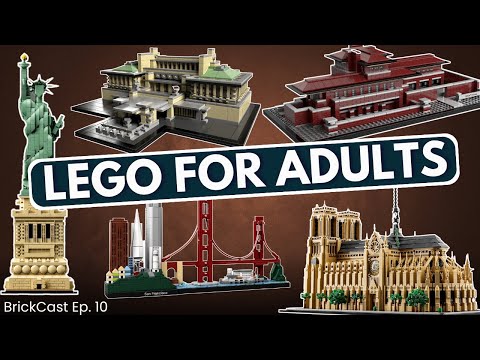
The Lego Architecture Series is a line of Lego sets that celebrates the world's most iconic buildings and structures. Introduced in 2008, the series has become a cultural phenomenon, appealing to both Lego enthusiasts and architecture fans. The series includes sets such as the Guggenheim Museum, the Taj Mahal, and the Eiffel Tower. Each set is carefully designed to capture the essence and details of the original building, making it a unique and educational experience for fans. The series has also collaborated with famous architects, such as Frank Lloyd Wright, to create exclusive sets. With its attention to detail and commitment to quality, the Lego Architecture Series has become a staple in the world of Toys and Hobbies.
📈 History of the Series
The history of the Lego Architecture Series dates back to 2008, when the first set, the Sears Tower, was released. The series was created by Lego designer Adam Reed Tucker, who aimed to create a line of sets that would celebrate the world's most iconic buildings. Since then, the series has grown to include over 20 sets, each one carefully designed and crafted to capture the essence of the original building. The series has also expanded to include sets from different architectural styles, such as Art Nouveau and Deconstructivism. The Lego Architecture Series has become a beloved part of the Lego brand, and its popularity continues to grow with each new release. Fans of the series can also explore the Lego Ideas platform, where they can submit their own ideas for future sets. The series has also been influenced by other Lego Themes, such as Lego Creator.
🏢 Iconic Buildings and Structures
The Lego Architecture Series features a wide range of iconic buildings and structures from around the world. From the Colosseum in Rome to the Burj Khalifa in Dubai, each set is carefully designed to capture the essence and details of the original building. The series also includes sets of famous landmarks, such as the Statue of Liberty and the Golden Gate Bridge. Each set is crafted with precision and attention to detail, making it a unique and educational experience for fans. The series has also collaborated with famous architects, such as Frank Gehry, to create exclusive sets. With its focus on iconic buildings and structures, the Lego Architecture Series has become a staple in the world of Architecture. Fans of the series can also explore the Lego Architecture Studio, which provides a unique platform for architects and designers to create their own buildings and structures.
👥 Design and Production Process
The design and production process of the Lego Architecture Series is a complex and meticulous one. Each set is carefully designed by a team of Lego designers, who work closely with architects and experts to ensure that the set is accurate and detailed. The design process involves extensive research and planning, as well as the use of specialized software to create the digital models. The production process involves the manufacture of the individual Lego Bricks and other components, which are then assembled into the final set. The series has also implemented sustainable practices, such as using Eco Friendly Materials, to reduce its environmental impact. With its focus on quality and attention to detail, the Lego Architecture Series has become a benchmark for excellence in the world of Toys and Hobbies. Fans of the series can also explore the Lego Group website, which provides a detailed overview of the design and production process.
🌎 Cultural Impact and Significance
The Lego Architecture Series has had a significant cultural impact and significance, appealing to both Lego enthusiasts and architecture fans. The series has been praised for its attention to detail and commitment to quality, and has become a staple in the world of Architecture. The series has also been recognized for its educational value, providing a unique and interactive way for people to learn about architecture and design. The series has also collaborated with famous architects, such as Zaha Hadid, to create exclusive sets. With its focus on cultural and educational significance, the Lego Architecture Series has become a beloved part of the Lego brand. Fans of the series can also explore the Lego Foundation, which provides a platform for children to learn and develop their skills through play.
🤔 Controversies and Criticisms
Despite its popularity, the Lego Architecture Series has not been without controversy and criticism. Some have criticized the series for its focus on iconic buildings, arguing that it perpetuates a narrow and elitist view of architecture. Others have criticized the series for its lack of diversity, arguing that it does not adequately represent the full range of architectural styles and cultures. The series has also been criticized for its environmental impact, with some arguing that the production and packaging of the sets contribute to waste and pollution. However, the series has also been praised for its efforts to reduce its environmental impact, such as using Sustainable Packaging. With its focus on quality and attention to detail, the Lego Architecture Series has become a benchmark for excellence in the world of Toys and Hobbies.
📊 Sales and Revenue
The Lego Architecture Series has been a commercial success, with sales and revenue exceeding expectations. The series has become a staple in the world of Toys and Hobbies, and its popularity continues to grow with each new release. The series has also been recognized for its educational value, providing a unique and interactive way for people to learn about architecture and design. The series has also collaborated with famous architects, such as I.M. Pei, to create exclusive sets. With its focus on quality and attention to detail, the Lego Architecture Series has become a benchmark for excellence in the world of Toys and Hobbies. Fans of the series can also explore the Lego Store, which provides a wide range of sets and products for fans to purchase.
👀 Fan Community and Engagement
The Lego Architecture Series has a dedicated fan community, with fans from around the world sharing their passion and enthusiasm for the series. The series has inspired a wide range of fan-created content, from MOCs to Lego Art. The series has also been recognized for its educational value, providing a unique and interactive way for people to learn about architecture and design. The series has also collaborated with famous architects, such as Renzo Piano, to create exclusive sets. With its focus on community and engagement, the Lego Architecture Series has become a beloved part of the Lego brand. Fans of the series can also explore the Lego Forums, which provide a platform for fans to discuss and share their ideas.
📚 Educational Value and Benefits
The Lego Architecture Series has a significant educational value and benefits, providing a unique and interactive way for people to learn about architecture and design. The series has been recognized for its ability to inspire creativity and imagination, and has been used in a wide range of educational settings. The series has also collaborated with famous architects, such as Frank Lloyd Wright, to create exclusive sets. With its focus on education and learning, the Lego Architecture Series has become a staple in the world of Education. Fans of the series can also explore the Lego Education platform, which provides a wide range of resources and materials for teachers and students.
🔮 Future of the Series and Innovations
The future of the Lego Architecture Series is exciting and innovative, with new sets and releases planned for the coming years. The series has also been recognized for its efforts to reduce its environmental impact, such as using Eco Friendly Materials. The series has also collaborated with famous architects, such as Zaha Hadid, to create exclusive sets. With its focus on innovation and sustainability, the Lego Architecture Series has become a benchmark for excellence in the world of Toys and Hobbies. Fans of the series can also explore the Lego Ideas platform, which provides a platform for fans to submit their own ideas for future sets.
👍 Conclusion and Legacy
In conclusion, the Lego Architecture Series is a cultural phenomenon that has captured the hearts and imaginations of fans around the world. With its focus on quality, attention to detail, and educational value, the series has become a staple in the world of Toys and Hobbies. The series has also been recognized for its efforts to reduce its environmental impact, and has collaborated with famous architects to create exclusive sets. As the series continues to grow and evolve, it is clear that the Lego Architecture Series will remain a beloved part of the Lego brand for years to come. Fans of the series can also explore the Lego Group website, which provides a detailed overview of the series and its history.
Key Facts
- Year
- 2008
- Origin
- Billund, Denmark
- Category
- Toys and Hobbies
- Type
- Toy Series
Frequently Asked Questions
What is the Lego Architecture Series?
The Lego Architecture Series is a line of Lego sets that celebrates the world's most iconic buildings and structures. The series was introduced in 2008 and has since become a cultural phenomenon, appealing to both Lego enthusiasts and architecture fans. The series includes sets such as the Guggenheim Museum, the Taj Mahal, and the Eiffel Tower. Each set is carefully designed to capture the essence and details of the original building, making it a unique and educational experience for fans.
Who designs the Lego Architecture Series sets?
The Lego Architecture Series sets are designed by a team of Lego designers, who work closely with architects and experts to ensure that the sets are accurate and detailed. The design process involves extensive research and planning, as well as the use of specialized software to create the digital models. The series has also collaborated with famous architects, such as Frank Lloyd Wright, to create exclusive sets.
What is the educational value of the Lego Architecture Series?
The Lego Architecture Series has a significant educational value, providing a unique and interactive way for people to learn about architecture and design. The series has been recognized for its ability to inspire creativity and imagination, and has been used in a wide range of educational settings. The series has also collaborated with famous architects, such as Frank Gehry, to create exclusive sets.
How has the Lego Architecture Series impacted the environment?
The Lego Architecture Series has been criticized for its environmental impact, with some arguing that the production and packaging of the sets contribute to waste and pollution. However, the series has also been recognized for its efforts to reduce its environmental impact, such as using Eco Friendly Materials and Sustainable Packaging. The series has also collaborated with environmental organizations, such as the World Wildlife Fund, to create exclusive sets.
What is the future of the Lego Architecture Series?
The future of the Lego Architecture Series is exciting and innovative, with new sets and releases planned for the coming years. The series has also been recognized for its efforts to reduce its environmental impact, and has collaborated with famous architects to create exclusive sets. With its focus on innovation and sustainability, the Lego Architecture Series has become a benchmark for excellence in the world of Toys and Hobbies.