
Contents
- 🚀 What is Learning Environment Design?
- 📍 Who Needs Learning Environment Design?
- 🛠️ Key Components of Effective Learning Environments
- 💡 Physical Space Design
- 💻 Digital Learning Spaces
- 🤝 Social & Emotional Learning Spaces
- 📈 Measuring Impact: Vibe Scores & Beyond
- ⚖️ The Controversy Spectrum: Standardization vs. Personalization
- 🌟 Notable Pioneers & Influences
- 🔮 The Future of Learning Environments
- ⭐ What People Say: User Testimonials
- 📞 Get Started with Learning Environment Design
- Frequently Asked Questions
- Related Topics
Overview
Learning Environment Design (LED) is the intentional and systematic creation of physical, digital, and social spaces that optimize learning outcomes. It’s not just about arranging desks or choosing a Learning Management System (LMS); it’s a holistic approach that considers how the environment influences cognition, motivation, and well-being. Think of it as the architecture of learning, where every element, from lighting to social norms, is engineered to foster engagement and knowledge acquisition. This field draws heavily from educational psychology, cognitive science, and architectural design to build spaces that are both functional and inspiring.
📍 Who Needs Learning Environment Design?
This discipline is critical for anyone involved in education, from K-12 schools and universities to corporate training departments and informal learning communities. Educators, instructional designers, school administrators, and even parents seeking to create supportive home learning spaces can benefit. Organizations aiming to upskill their workforce or foster a culture of continuous learning will find LED essential for designing effective professional development programs. Essentially, any entity that facilitates learning needs to consider the environment in which that learning occurs.
🛠️ Key Components of Effective Learning Environments
Effective learning environments are built on several pillars: physical comfort and flexibility, accessible and engaging digital tools, a supportive social-emotional climate, and clear pedagogical goals. The physical space should accommodate diverse learning styles, allowing for collaboration, individual study, and active learning. Digital spaces must be intuitive, robust, and integrated with pedagogical strategies. Crucially, the social dimension—fostering a sense of belonging, psychological safety, and positive peer interactions—is as vital as any tangible element. These components work in concert to create a cohesive and effective learning experience.
💡 Physical Space Design
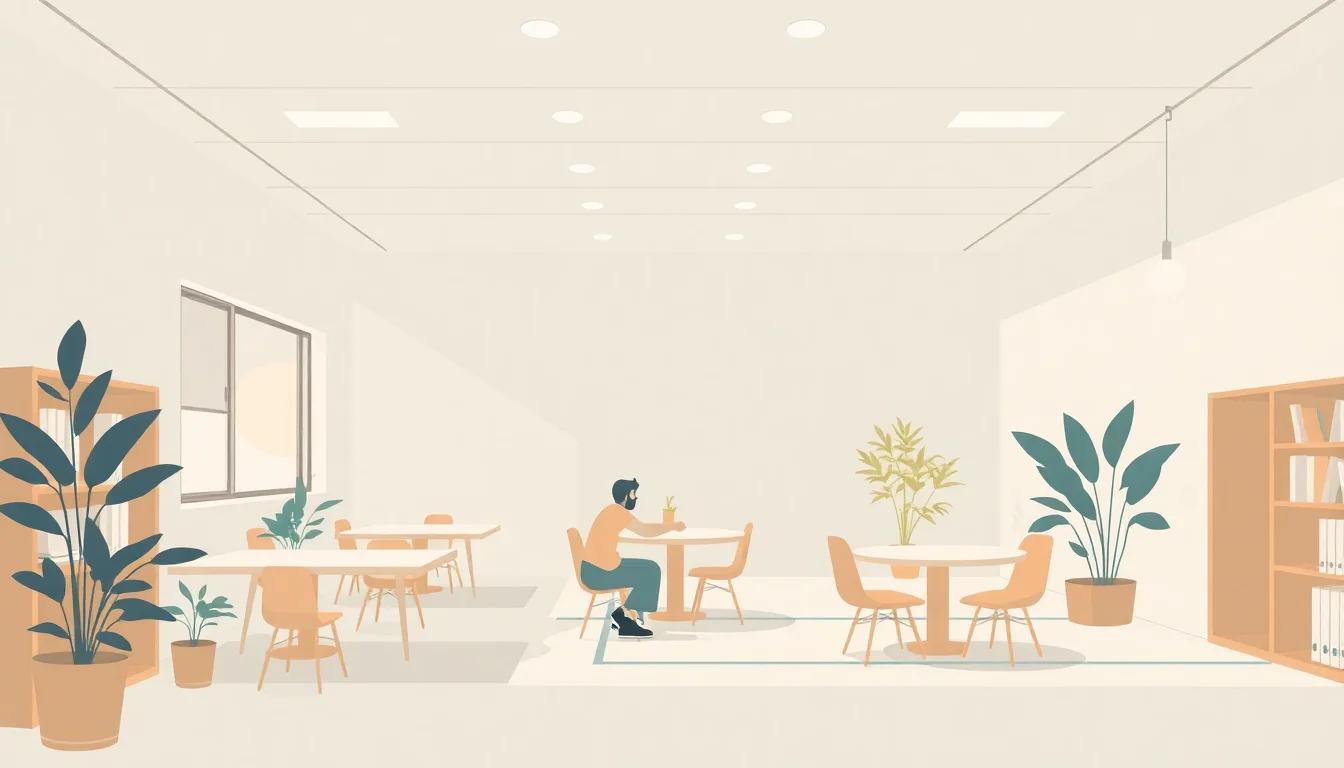
Physical space design in LED focuses on creating adaptable and stimulating environments. This includes considerations like natural light, acoustics, furniture flexibility (e.g., movable desks, comfortable seating), and the strategic use of color and visual stimuli. For instance, the concept of flexible learning spaces, popularized in the early 2000s, emphasizes modular furniture and varied zones for different activities. The goal is to move beyond the traditional, static classroom to spaces that can be reconfigured to support project-based learning, small group work, or quiet reflection, directly impacting student engagement and comfort.
💻 Digital Learning Spaces
Digital learning spaces, often managed through Learning Management Systems (LMS) like Canvas or Moodle, are increasingly central. Effective design here means not just housing content but creating interactive pathways for learning. This involves thoughtful course design, integrating multimedia, facilitating online discussions, and providing clear navigation. The rise of online learning has amplified the need for digital environments that are not only accessible but also foster a sense of community and instructor presence, mitigating the isolation often associated with remote education.
📈 Measuring Impact: Vibe Scores & Beyond
Measuring the success of learning environments goes beyond traditional academic metrics. Vibepedia's Vibe Score framework offers a 0-100 measurement of cultural energy, reflecting engagement, innovation, and overall positive sentiment within a learning space. Beyond this, quantitative data like attendance rates, completion rates, and assessment scores are crucial. Qualitative feedback from learners and educators, through surveys and focus groups, provides deeper insights into the perceived effectiveness and atmosphere of the environment. Analyzing these diverse data points helps refine the design for continuous improvement.
⚖️ The Controversy Spectrum: Standardization vs. Personalization
A significant debate in LED revolves around the tension between standardization and personalization. Proponents of standardization argue for consistent, evidence-based designs that ensure a baseline quality across institutions, making them scalable and predictable. Conversely, the personalization camp emphasizes tailoring environments to the specific needs, cultural backgrounds, and learning preferences of individual students or cohorts. This controversy spectrum highlights the challenge of creating environments that are both universally effective and uniquely responsive, a core tension in modern pedagogy.
🌟 Notable Pioneers & Influences
Key figures like Maria Montessori, with her emphasis on child-led learning and prepared environments, laid early groundwork. In the digital age, pioneers in online pedagogy and instructional design such as Cathy Moore and Connie Malamed have shaped how we think about digital learning experiences. The architectural contributions of firms like Perkins&Will, known for their innovative school designs, also significantly influence the physical manifestation of learning environments.
🔮 The Future of Learning Environments
The future of learning environments points towards hyper-personalization, seamless integration of physical and digital realms (phygital learning), and a greater emphasis on lifelong learning ecosystems. Expect more adaptive learning technologies that dynamically adjust content and environment based on real-time user data. Immersive technologies like VR and AR will play a larger role in creating experiential learning opportunities. The focus will shift from static classrooms to fluid, networked learning experiences that extend beyond traditional institutional walls, impacting how we approach future of work training.
⭐ What People Say: User Testimonials
"The flexible seating options in my daughter's classroom have made a huge difference. She used to dread school, but now she loves being able to choose where she learns best." - Parent of a 3rd grader. "Our university's move to a blended learning model, supported by well-designed online modules and interactive campus spaces, has dramatically improved student retention and satisfaction." - Dean of Academic Affairs. "The focus on collaborative zones and quiet study pods has transformed our library into a vibrant hub for learning, not just book storage." - University Librarian.
📞 Get Started with Learning Environment Design
To begin designing or improving your learning environment, start by clearly defining your learning objectives and target audience. Conduct an audit of your current physical and digital spaces, gathering feedback from users. Explore resources on Universal Design for Learning (UDL) to ensure inclusivity. Consider consulting with learning environment specialists or instructional designers. For digital environments, evaluate your LMS and other learning technologies for effectiveness and user experience. The first step is always a critical assessment of your current state and a clear vision for your desired future state.
Key Facts
- Year
- 1960
- Origin
- Educational Psychology & Architecture
- Category
- Education & Pedagogy
- Type
- Concept
Frequently Asked Questions
What's the difference between learning environment design and classroom management?
Classroom management focuses on behavior and order within an existing space, often through rules and routines. Learning environment design, however, is about proactively shaping the physical, digital, and social aspects of the space itself to foster desired behaviors, engagement, and learning outcomes. It's a more foundational and strategic approach to creating the conditions for effective learning, rather than just managing the immediate situation.
How can I make my home learning environment more effective?
Designate a specific, quiet area for learning, free from distractions. Ensure good lighting and comfortable, ergonomic seating. Organize materials for easy access and minimize clutter. Establish a consistent routine, similar to a school day, and incorporate short breaks. Encourage interaction and discussion about learning topics to foster a sense of connection and engagement, even in a home setting.
Is learning environment design only for formal education?
Absolutely not. While heavily applied in schools and universities, LED principles are crucial for any context where learning occurs. This includes corporate training, non-profit organizations offering workshops, community learning centers, and even informal learning groups. The goal is always to optimize the environment for knowledge acquisition, skill development, and positive participant experience, regardless of the setting.
What are the most important factors in digital learning environment design?
Key factors include intuitive navigation, accessibility for all users (including those with disabilities), robust and reliable technology, engaging multimedia content, and clear pathways for interaction and feedback. Fostering a sense of community and instructor presence is also vital to combat isolation. The design should support pedagogical goals, not just serve as a content repository.
How does physical space impact learning outcomes?
The physical environment significantly influences mood, focus, and collaboration. Factors like natural light, acoustics, furniture flexibility, and the presence of stimulating visuals can boost engagement and retention. Spaces designed for flexibility allow for diverse learning activities, from quiet individual work to dynamic group projects, catering to different learning styles and needs.
🤝 Social & Emotional Learning Spaces
The social and emotional aspects of learning environments are paramount, often overlooked in favor of purely academic or technological considerations. Designing for social-emotional learning (SEL) involves cultivating a culture of respect, empathy, and psychological safety. This can be achieved through explicit SEL curriculum, restorative justice practices, and creating opportunities for meaningful peer interaction. A positive social climate reduces anxiety and increases students' willingness to take risks, ask questions, and engage deeply with material, significantly boosting student well-being.