Lean In Organization
Empowering women, one circle, one conversation, one *lean* at a time.
Featured partners and sponsors
New advertisers get $25 in ad credits
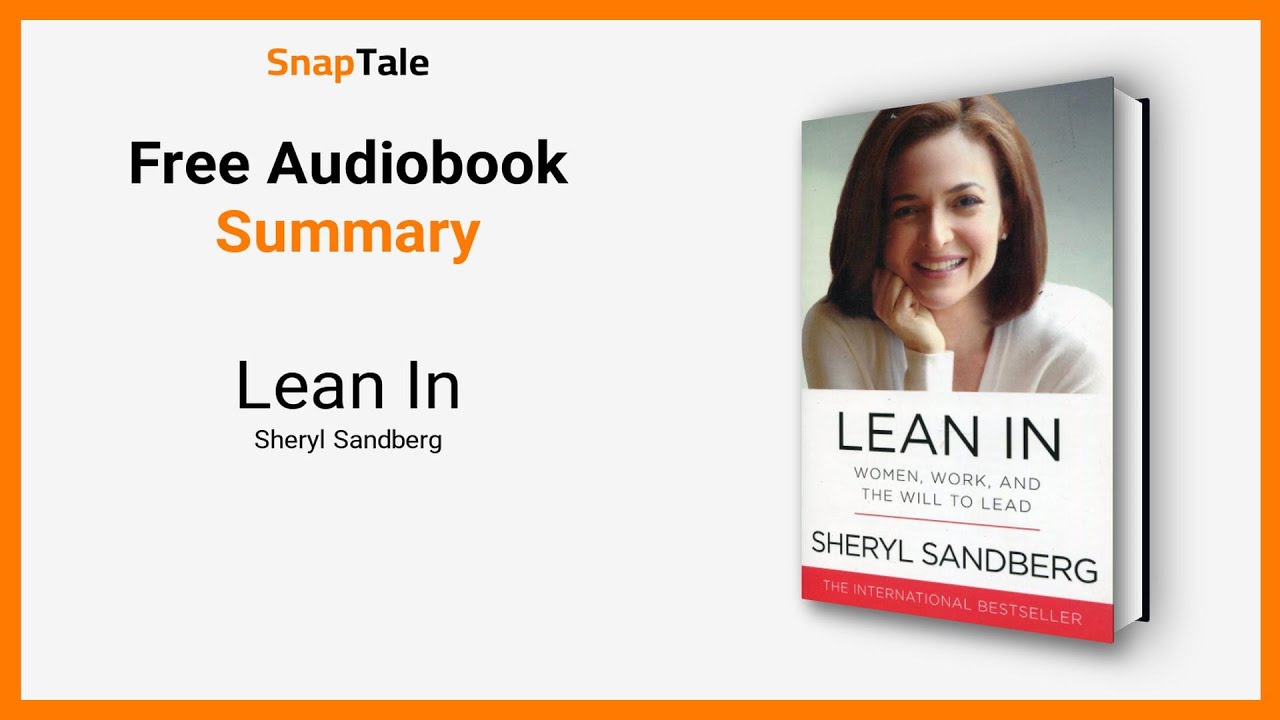
Lean In by Sheryl Sandberg: 11 Minute Summary
⚡ THE VIBE
✨The Lean In Organization, founded by Sheryl Sandberg, is a global non-profit dedicated to helping women achieve their ambitions through peer support, education, and advocacy, sparking a worldwide conversation about gender equality in the workplace. It's a movement that's both celebrated for its impact and critiqued for its approach. 💡
§1The Genesis of a Movement: From Book to Global Phenomenon
The story of the Lean In Organization truly begins with Sheryl Sandberg's groundbreaking 2013 book, "Lean In: Women, Work, and the Will to Lead." 📚 As the then-COO of Facebook, Sandberg's insights into the challenges women face in the professional world resonated deeply, hitting a nerve that had long been waiting to be touched. The book wasn't just a memoir or a self-help guide; it was a rallying cry, urging women to embrace ambition, negotiate fiercely, and actively seek leadership roles. The core idea was simple yet profound: while systemic barriers exist, women also often self-limit their potential. The organization quickly formed to build upon the book's momentum, creating a platform for collective action and support. It wasn't just about reading; it was about doing. 💪
§2What is a Lean In Circle? The Heartbeat of the Movement
At the core of the Lean In Organization's strategy are Lean In Circles – small groups of peers who meet regularly to learn and grow together. Think of them as mini-masterminds or support groups, but with a laser focus on professional development and gender equality. These circles provide a safe space for women (and men!) to share experiences, discuss challenges, and offer mutual encouragement. 🤝 Each circle typically has 8-12 members and utilizes free resources, discussion guides, and online tools provided by LeanIn.org. The idea is to foster a sense of community and accountability, helping members navigate everything from salary negotiations to work-life integration. It's about building a network of allies and mentors, right where you are. 🌟
§3Impact & Influence: Shifting the Conversation
Lean In undeniably shifted the global conversation around women in leadership. Before its arrival, discussions often focused solely on external barriers. Lean In introduced the concept of internal barriers – like the 'imposter syndrome' or the tendency to 'sit back' – and challenged women to confront them. It empowered countless individuals to advocate for themselves, seek promotions, and negotiate better terms. 💼 The organization partnered with companies, universities, and non-profits, creating a vast network dedicated to gender equity. Its influence can be seen in the increased visibility of women's leadership initiatives and the mainstreaming of concepts like unconscious-bias training. It truly put the onus on both individuals and institutions to drive change. 💡
§4The 'Lean In' Debate: Critiques and Evolution
While immensely popular, Lean In also faced significant criticism. 🧐 Critics argued that its focus on individual agency placed too much burden on women to 'fix' themselves, rather than addressing deeply entrenched systemic inequalities like unequal pay, lack of affordable childcare, or workplace discrimination. Some felt it was a message primarily for privileged, professional women, overlooking the struggles of women in less flexible or lower-paying jobs. The phrase 'lean in' itself became a lightning rod. However, the organization has evolved, acknowledging these critiques and broadening its scope. It now emphasizes the importance of men as allies, focuses on intersectionality, and actively campaigns for policy changes that support all women. It's a testament to its commitment to growth and adapting to a more nuanced understanding of gender equity. 🌍
§5Beyond the Book: Legacy and Future of Lean In
Today, the Lean In Organization continues its mission, evolving beyond the initial book to become a comprehensive resource for gender equality. Its annual 'Women in the Workplace' report, co-authored with McKinsey & Company, has become a benchmark for understanding the state of women's advancement. 📊 The organization champions initiatives like '50/50 by 2030' and provides tools for companies to create more equitable cultures. Its legacy isn't just about urging women to 'lean in,' but about fostering a global dialogue, building supportive communities, and pushing for the structural changes necessary to achieve true gender parity. It reminds us that progress is a continuous journey, requiring both individual courage and collective action. ✨