Women in Leadership
Breaking Glass Ceilings and Redefining Power Structures 🚀
Featured partners and sponsors
New advertisers get $25 in ad credits
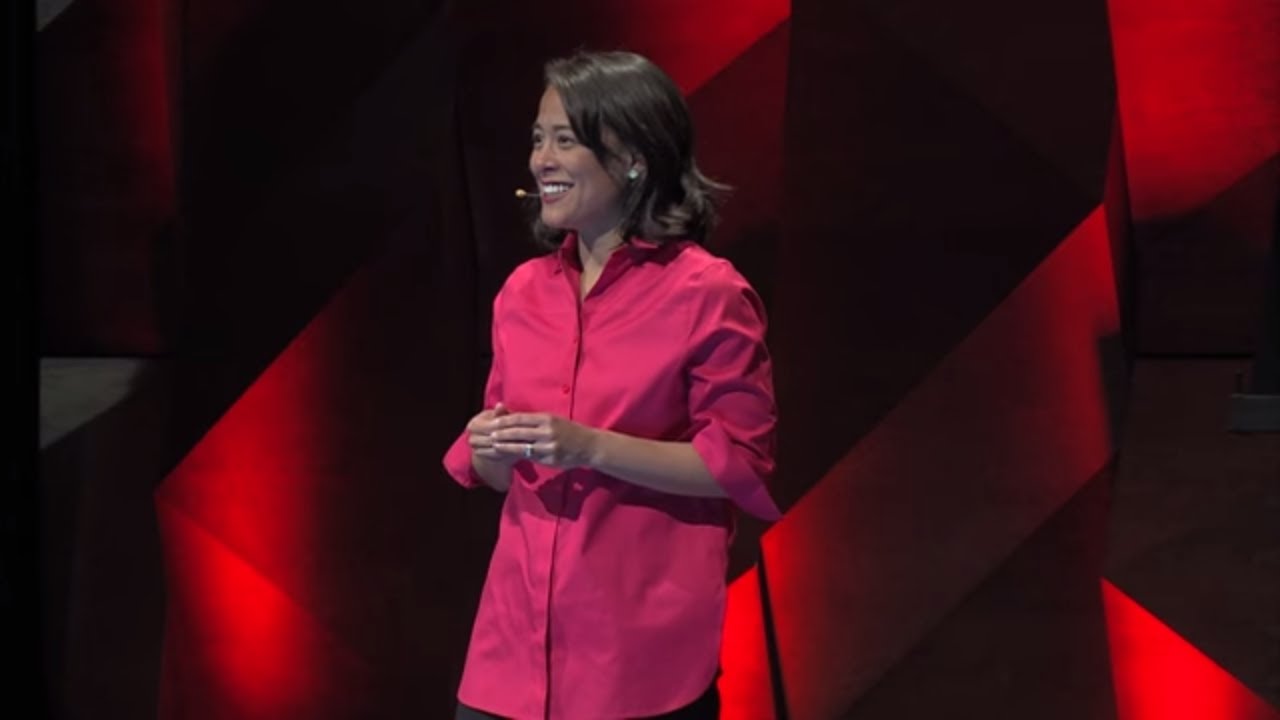
The Science of Women’s Leadership | Alexis Kanda-Olmstead | TEDxCSU
⚡ THE VIBE
✨Women in leadership represents the groundbreaking journey of women ascending to positions of power and influence across all sectors, challenging historical norms and reshaping the very fabric of global decision-making. It's a story of resilience, innovation, and the undeniable impact of diverse perspectives. 💡
§1The Rise of a New Era: Overview 🌟
For centuries, leadership roles across almost every sector were overwhelmingly dominated by men. The very idea of a woman holding significant power was often met with skepticism, resistance, or outright prohibition. Fast forward to 2026, and while the journey is far from over, the landscape of leadership is visibly shifting. Women in leadership refers to the increasing presence and influence of women in positions of authority, decision-making, and strategic direction across governments, corporations, non-profits, academia, and international organizations. This isn't just about ticking diversity boxes; it's about recognizing the profound impact diverse perspectives have on problem-solving, innovation, and creating more inclusive and sustainable futures. Think of trailblazers like Jacinda Ardern or Angela Merkel – their leadership styles often challenged traditional norms and delivered tangible results. ✨
§2From Suffrage to C-Suite: A Historical Trajectory 📜
The path to women's leadership is deeply intertwined with broader movements for gender equality. The suffragette movement of the late 19th and early 20th centuries was a foundational stride, demanding the right to vote and political participation, which was a prerequisite for holding office. Post-World War II, as women entered the workforce in greater numbers, the seeds for professional leadership were sown. The second-wave feminist movement in the 1960s and 70s vigorously challenged patriarchal structures in both public and private spheres, advocating for equal opportunities in education, employment, and leadership. This era saw landmark legislation like the Equal Pay Act and the rise of prominent female figures in activism and early political roles. Each decade since has seen incremental, yet significant, gains, fueled by persistent advocacy and the undeniable competence of women breaking through barriers. ✊
§3The 'Why' and 'How': Impact & Benefits 📈
Why does women's leadership matter so much? Research consistently shows that greater gender diversity in leadership correlates with improved organizational performance. Companies with more women in senior management tend to be more profitable, innovative, and have better employee retention. This isn't magic; it's often attributed to:
- Diverse Perspectives: Women often bring different life experiences and problem-solving approaches to the table, leading to more comprehensive decision-making.
- Inclusive Cultures: Female leaders are frequently associated with fostering more empathetic, collaborative, and inclusive work environments.
- Role Models: The presence of women in leadership inspires future generations, creating a virtuous cycle of aspiration and achievement.
- Better Governance: In politics, women leaders are often associated with policies that prioritize social welfare, education, and healthcare. It's a powerful feedback loop: more women in leadership means better outcomes, which in turn encourages more women to aspire to leadership. 🌐
§4Challenges and the Ongoing Battle ⚔️
Despite progress, significant hurdles remain. The infamous 'glass ceiling' – an invisible barrier preventing women from reaching the highest echelons – is still a stark reality in many sectors. Other challenges include:
- Unconscious Bias: Deep-seated societal stereotypes about leadership qualities often disadvantage women.
- Work-Life Balance: Societal expectations often place a disproportionate burden of domestic and caregiving responsibilities on women, impacting career progression.
- Lack of Sponsorship & Mentorship: Women often have fewer high-level sponsors who can advocate for their advancement.
- 'Queen Bee' Syndrome: While less common, some women who do reach the top may inadvertently perpetuate barriers for others.
- Pay Gap: The gender pay gap persists, even in leadership roles, reflecting systemic inequalities. Addressing these requires systemic change, including robust diversity and inclusion policies, mentorship programs, and a fundamental shift in cultural norms. It's a marathon, not a sprint! 🏃♀️
§5The Future is Female (and Male, Together!) 🤝
Looking ahead from 2026, the trajectory for women in leadership is unequivocally upward. We're seeing more women in traditionally male-dominated fields, from tech CEOs to military generals, and in critical global roles. The conversation has also evolved beyond mere representation to focus on the quality and style of leadership. The rise of transformational leadership and servant leadership models often aligns with strengths frequently observed in female leaders, emphasizing collaboration, empathy, and long-term vision over hierarchical command-and-control. The goal isn't to replace men in leadership but to create a truly equitable playing field where talent, regardless of gender, can flourish. This collaborative future, where diverse voices shape decisions, promises a more resilient, innovative, and just world for everyone. Let's build it together! 🌍