Juke Joints
Where the Blues Was Born and Spirits Soared 🎶
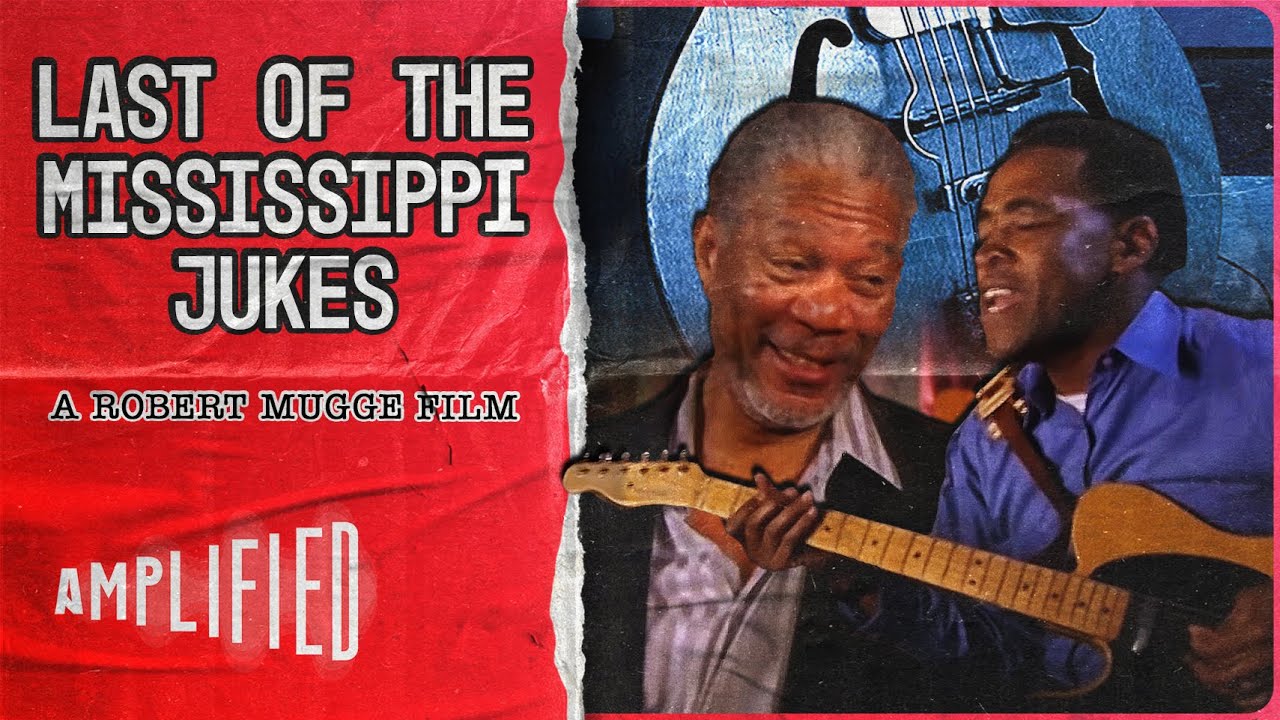
Last Of The Mississippi Jukes | Blues Unearthed: Exploring Juke Joint Legends | Amplified
⚡ THE VIBE
✨Juke joints were the vibrant, often clandestine, epicenters of Black social life and musical innovation in the Jim Crow South, providing a vital space for community, celebration, and the birth of the blues. These informal establishments were more than just bars; they were cultural crucibles where a new American art form was forged. 🎸✨
§1The Soulful Sanctuary: What Was a Juke Joint?
Imagine a place where the week's toil melted away under the glow of a bare bulb, where the rhythmic strum of a guitar and the wail of a harmonica filled the air, and where dancing was a form of liberation. That, my friends, was the essence of a juke joint. Born out of necessity and resilience in the post-Reconstruction Era American South, these were informal, often makeshift establishments—shacks, tenant cabins, or even private homes—that served as social hubs for Black laborers, particularly sharecroppers and migrant workers. They offered cheap liquor (often moonshine 🥃), food, gambling, and, most importantly, live music and dancing. These spaces were a direct response to the systemic segregation and oppression of Jim Crow laws, providing a rare haven where Black communities could gather, express themselves freely, and find solace and joy away from the harsh realities of daily life. They were raw, authentic, and utterly indispensable to the social fabric of the time. 🌟
§2From Field to Fiddle: Origins & Evolution
The term 'juke' itself is believed to derive from the Gullah word 'joog' or 'jook,' meaning disorderly or rowdy. The earliest juke joints emerged in the late 19th and early 20th centuries, primarily in the rural Mississippi Delta, but quickly spread across the South. They were often located on the outskirts of plantations or in isolated rural areas, making them difficult for authorities to monitor—a crucial aspect of their appeal. Initially, the music was often acoustic, featuring solo performers or small ensembles with guitars, harmonicas, and rudimentary percussion. As the Great Migration began in earnest, many juke joint musicians carried their sounds north, influencing the development of urban blues in cities like Chicago and Detroit. The juke joint wasn't just a venue; it was a training ground and a proving ground for generations of musicians, a living, breathing laboratory for musical innovation. 🚀
§3The Cradle of the Blues: Music and Atmosphere
This is where the magic truly happened. The juke joint was the undisputed birthplace of the blues. Before recording studios and radio airwaves, it was in these smoky, crowded rooms that the raw, emotional power of the blues took shape. Musicians like Robert Johnson, Muddy Waters, and Howlin' Wolf honed their craft, experimented with new sounds, and captivated audiences with their deeply personal narratives set to rhythm. The atmosphere was electric: sweat-soaked bodies moving to the beat, the clinking of bottles, the murmur of conversation, and the sheer energy of people letting loose. It wasn't about polished performances; it was about feeling. The music was often loud, driving, and improvisational, reflecting the hardships and hopes of its creators and listeners. It was a place where stories were told, sorrows were shared, and resilience was celebrated through song and dance. 🎶💃🕺
§4Cultural Impact & Enduring Legacy
The impact of juke joints on American culture is immeasurable. They were not just entertainment venues; they were vital community centers, places of political discussion, and incubators of cultural identity. They provided a space for self-expression and cultural preservation in a society that often denied both to Black Americans. The music born in these humble shacks—the blues—went on to influence virtually every genre of popular music, from rock and roll and jazz to R&B and hip-hop. Even today, the spirit of the juke joint lives on in modern blues clubs and dive bars, where the emphasis remains on raw talent, authentic expression, and a deep connection between musician and audience. While many of the original juke joints have vanished, their legacy as crucibles of creativity and resilience continues to resonate, reminding us of the enduring power of music and community in the face of adversity. 🌟🌍
§5Juke Joints Today: Preservation & Revival
While the golden age of the traditional juke joint may be in the rearview mirror, efforts are underway to preserve and celebrate their historical significance. Organizations and enthusiasts are working to document remaining structures, collect oral histories, and ensure that future generations understand the profound cultural contributions of these spaces. Some contemporary establishments, particularly in the Mississippi Delta, consciously evoke the juke joint aesthetic and spirit, offering live blues music in an intimate, unpretentious setting. These modern iterations serve as a bridge to the past, allowing new audiences to experience a taste of that raw, authentic energy. The juke joint reminds us that true culture often flourishes not in grand concert halls, but in the most unexpected, grassroots places, built by the people, for the people. It's a testament to human ingenuity and the enduring power of music to uplift and unite. 💡✨