Blues Music
The raw, soulful cry that birthed a thousand genres.
Blues America, Part 1 of 2: Woke Up This Morning, 720p
TL;DR
Blues music is a profound genre born from the spirituals, work songs, and field hollers of African Americans, primarily in the Mississippi Delta region. It's an expressive narrative of hardship, love, and resilience, forming the bedrock of much of modern popular music.
Imagine the sweltering heat of the Mississippi Delta, the backbreaking labor in the fields, and the yearning for freedom echoing through the humid air. This isn't just a scene; it's the crucible from which Blues music emerged. Born in the late 19th century, primarily among African American communities in the Southern United States, the Blues was more than just entertainment; it was a vital form of communication, catharsis, and cultural preservation. It carried the weight of generations of struggle, channeling deep personal and collective experiences into a unique musical language that would forever change the world.
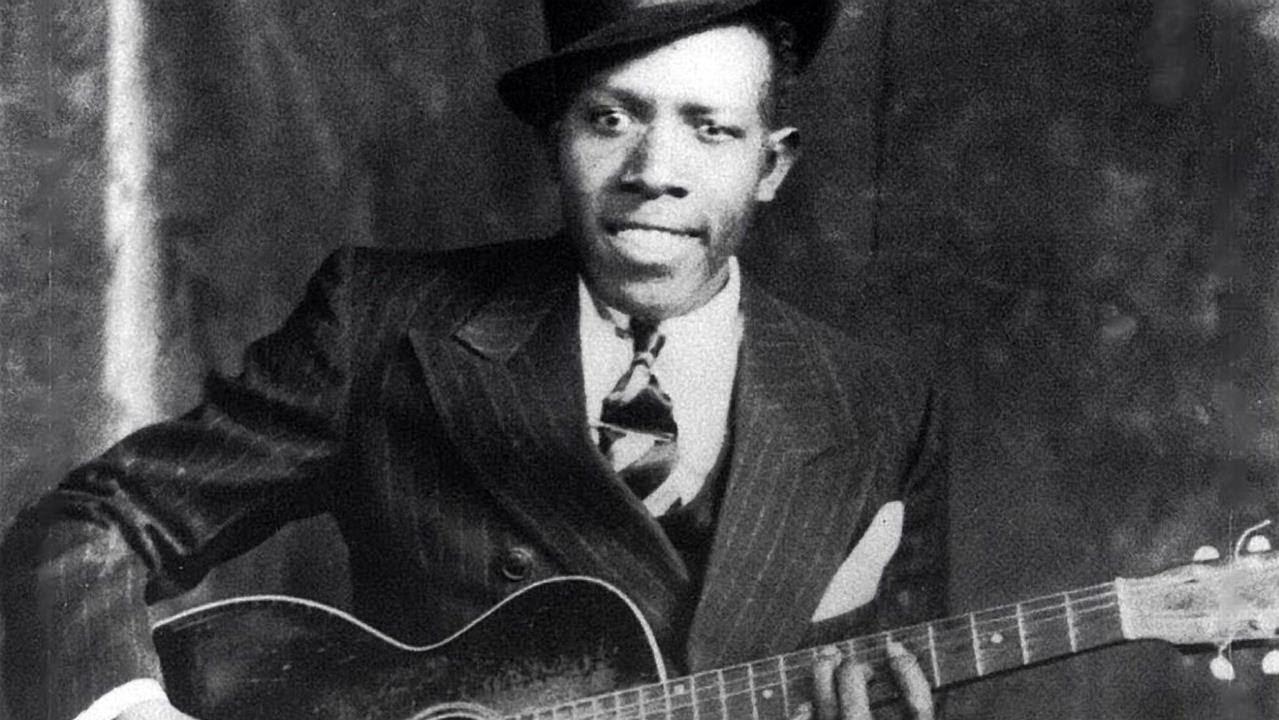
At its heart, the Blues is storytelling. It's the lament of a broken heart, the grit of enduring injustice, the joy of a Saturday night dance, and the hope for a better tomorrow. Musically, it's characterized by its distinctive chord progressions (often 12-bar), call-and-response patterns, and the expressive use of 'blue notes' – flattened third, fifth, and seventh scale degrees that give it that unmistakable, soulful wail. Early pioneers like Charley Patton, Son House, and Robert Johnson didn't just play instruments; they poured their very souls into their guitars and voices, creating a raw, unfiltered sound that resonated with universal human emotions.
As the Great Migration unfolded in the early 20th century, the Blues traveled north, transforming from its acoustic, rural roots into the electrified, urban soundscapes of Chicago, Detroit, and St. Louis. Legends like Muddy Waters, Howlin' Wolf, and B.B. King plugged in, turning the humble acoustic guitar into a roaring beast capable of filling smoky juke joints and bustling city clubs. This evolution didn't just amplify the sound; it amplified its reach, laying the groundwork for genres that would soon dominate the airwaves and concert halls.
The influence of Blues music is, frankly, incalculable. Without its foundational rhythms, harmonic structures, and emotional depth, genres like rock and roll, jazz, R&B, soul, and even hip-hop simply wouldn't exist as we know them today. From Elvis Presley's swivel to The Rolling Stones' swagger, from Jimi Hendrix's searing solos to Beyoncé's powerful vocals, the echoes of the Blues are everywhere. It's a testament to its enduring power that artists in 2026 continue to draw inspiration from its timeless truths, ensuring its legacy continues to evolve and inspire new generations.
Beyond its musical impact, the Blues holds immense cultural significance. It's a living archive of American history, a testament to the resilience, creativity, and spiritual fortitude of a people who, despite immense adversity, found a way to sing their stories into existence. It reminds us that even in the deepest despair, there is beauty, and in the most profound sorrow, there is a melody waiting to be heard. It's not just music; it's a profound human experience, a reminder that the blues can be a feeling, but it can also be a powerful source of strength and connection.