Jnana Yoga
The Path of Wisdom: Unveiling Reality Through Intellect and Insight 💡
Featured partners and sponsors
New advertisers get $25 in ad credits
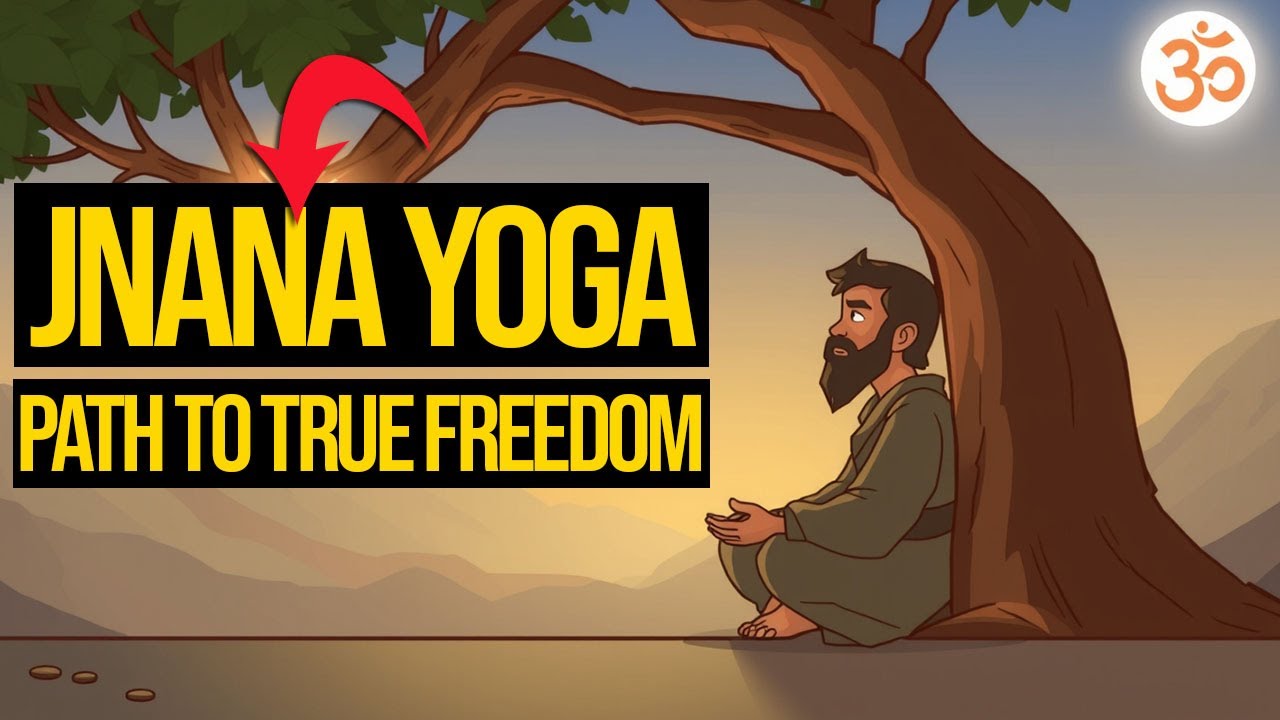
Jnana Yoga Explained: The Path of Knowledge to Ultimate Freedom | Sadhguru's Wisdom
⚡ THE VIBE
✨Jnana Yoga is one of the four classical paths of Yoga, focusing on the pursuit of knowledge and wisdom to achieve spiritual liberation, challenging practitioners to transcend illusion through rigorous self-inquiry and intellectual discernment. It's not just about knowing *facts*, but about *realizing* truth! 🧠✨
§1What is Jnana Yoga? The Quest for Knowledge 🧐
Imagine a path to enlightenment that doesn't rely on physical postures, devotional singing, or selfless service, but on the sheer power of your mind! That's Jnana Yoga, often called the 'Yoga of Wisdom' or the 'Yoga of Knowledge'. It's a rigorous, intellectual journey designed to peel back the layers of illusion (maya) that obscure our true nature and the ultimate reality. Unlike Hatha Yoga which focuses on the body, or Bhakti Yoga which centers on devotion, Jnana Yoga asks you to question everything. 🤔 It's about discerning the real from the unreal, the permanent from the impermanent, and ultimately realizing the profound truth: Tat Tvam Asi – 'Thou Art That' – the individual self (Atman) is one with the Universal Self (Brahman). It's a mind-bending, liberating pursuit for those who crave intellectual clarity on their spiritual journey. 🧠
§2Roots in Ancient Wisdom: A Timeless Pursuit 📜
The origins of Jnana Yoga stretch back millennia, deeply embedded in the ancient Vedas and elaborated upon in the profound Upanishads, texts that form the philosophical bedrock of Hinduism. These scriptures aren't just old books; they're vibrant dialogues and profound inquiries into the nature of existence, consciousness, and bliss. The great sage Adi Shankara, an 8th-century philosopher, is often credited with systematizing and revitalizing Jnana Yoga through his Advaita Vedanta philosophy, which posits the non-duality of the individual soul and the absolute reality. His teachings emphasized that liberation (moksha) isn't something to be attained, but rather something to be realized as our inherent state, obscured only by ignorance. It's like realizing you've been wearing your glasses on your head the whole time! 👓
§3The Four Pillars of Practice: Sharpening the Mind ⚔️
Jnana Yoga isn't just theoretical; it's a dynamic practice, albeit one that primarily takes place within the mind. It typically involves four key stages, often referred to as the 'four pillars' or 'four means' (sadhana chatustaya):
- Viveka (Discrimination): This is the ability to discern between the real and the unreal, the eternal and the ephemeral. It's about constantly asking, 'What is truly permanent? What is merely a fleeting experience?' 🧐
- Vairagya (Dispassion/Detachment): Cultivating an inner freedom from desires and attachments to worldly objects and outcomes. This doesn't mean becoming emotionless, but rather recognizing that true happiness isn't found in external things. 🕊️
- Shatsampat (Six Virtues): A group of six mental disciplines that prepare the mind for deeper inquiry:
- Shama (Tranquility of mind)
- Dama (Control of the senses)
- Uparati (Renunciation of actions based on desire)
- Titiksha (Endurance)
- Shraddha (Faith in the teachings and guru)
- Samadhana (Single-pointedness of mind)
- Mumukshutva (Longing for Liberation): An intense, burning desire for freedom from suffering and the cycle of rebirth. This isn't just a wish; it's a deep, unwavering commitment to the path. 🔥
These pillars aren't sequential steps but rather interwoven qualities that develop simultaneously as one delves deeper into self-inquiry and meditation (nididhyasana).
§4Impact & Relevance in the Modern World: Beyond the Mat 🌐
While Jnana Yoga might seem like an ancient, esoteric practice, its principles are profoundly relevant in our hyper-connected, often superficial 2026 world. In an era of information overload and constant distractions, the call for Viveka—discriminating between truth and noise—is more vital than ever. It encourages critical thinking, not just in spiritual matters, but in navigating the complexities of modern life, from media literacy to ethical decision-making. 📲 It teaches us that true peace comes not from accumulating more, but from understanding the nature of our own consciousness. Many contemporary spiritual teachers and even cognitive therapists draw parallels to its emphasis on self-inquiry and challenging limiting beliefs. It offers a powerful antidote to existential angst by providing a framework for understanding our place in the cosmos. For anyone seeking intellectual rigor on their spiritual path, Jnana Yoga remains a beacon of profound wisdom. 🌟