Bhakti Yoga
The Path of Devotion: Where Love Becomes Liberation 💖
Featured partners and sponsors
New advertisers get $25 in ad credits
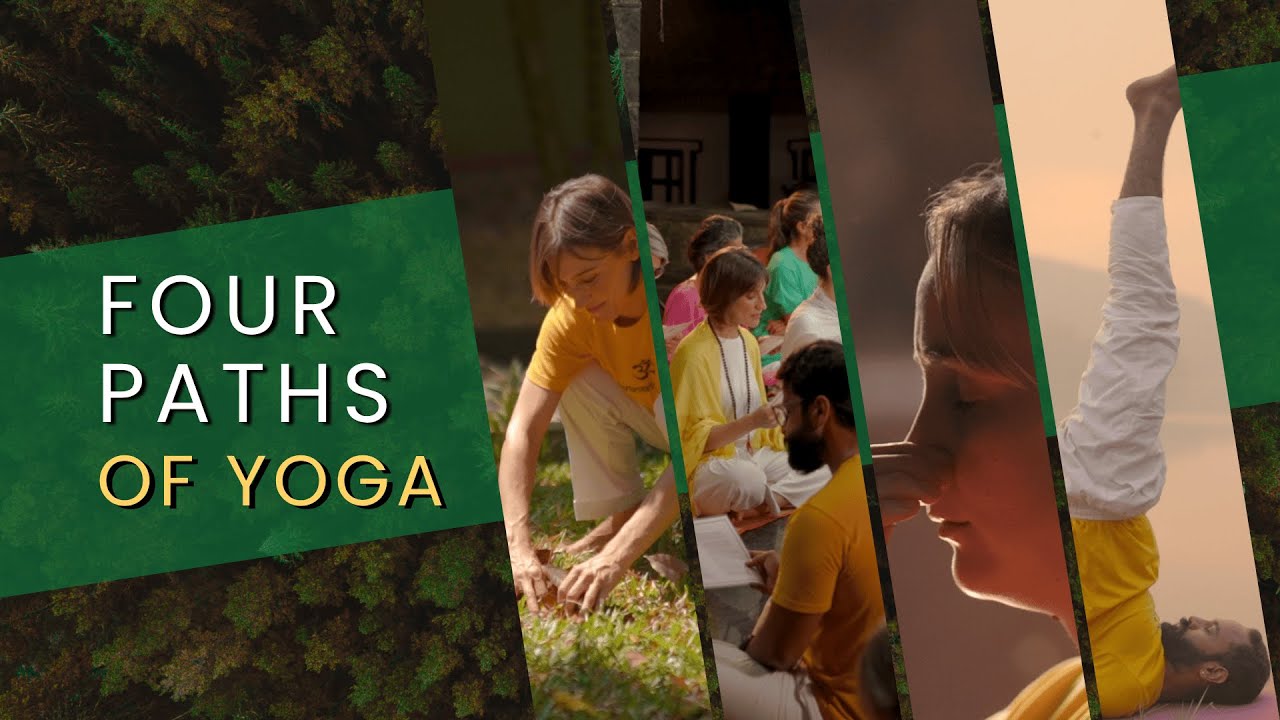
The Four Paths of Yoga Explained - Karma, Bhakti, Raja, Jnana | Sivananda Dhanwantari Ashram
⚡ THE VIBE
✨Bhakti Yoga is one of the four classical paths of Yoga, focusing on cultivating deep, unconditional love and devotion towards the Divine, transforming spiritual aspiration into a heartfelt journey of connection and surrender. It's not just a practice; it's a way of life, a passionate embrace of the sacred that promises profound inner peace and ultimate liberation. ✨
§1What is Bhakti Yoga? The Heart's Awakening 🌟
Imagine a spiritual path where your deepest emotions—love, longing, joy, even sorrow—become the very fuel for your journey to the Divine. That, in essence, is Bhakti Yoga. Derived from the Sanskrit root bhaj, meaning 'to adore or serve,' Bhakti Yoga is the yoga of devotion, love, and surrender. Unlike Jnana Yoga (the path of knowledge) or Karma Yoga (the path of action), Bhakti emphasizes the heart over the intellect or physical exertion. It teaches that through intense, unwavering love for a chosen deity, a guru, or the universal Godhead, one can transcend the ego and achieve moksha, or liberation. It's a vibrant, often ecstatic, expression of spirituality that has captivated millions for millennia. 💫
§2A Journey Through Time: Origins & Evolution 📜
The roots of Bhakti Yoga stretch deep into ancient Indian history, with its earliest philosophical stirrings found in texts like the Upanishads and the Bhagavad Gita. The Gita, in particular, is a foundational text, where Krishna instructs Arjuna on the path of devotion, proclaiming it as the supreme means to attain Him. The Bhakti movement truly blossomed between the 6th and 10th centuries CE in South India, spearheaded by the Alvars (devotees of Vishnu) and Nayanars (devotees of Shiva). These poet-saints composed passionate hymns, singing their love for the Divine in vernacular languages, making spiritual wisdom accessible to all, regardless of caste or gender. This revolutionary wave spread north, influencing figures like Kabir, Mirabai, and Chaitanya Mahaprabhu, whose ecstatic devotion reshaped the spiritual landscape of India. 🚀
§4Bhakti's Global Resonance: Why It Matters Today 🌍
In our fast-paced, often fragmented 21st century, the principles of Bhakti Yoga offer a powerful antidote to spiritual dryness and existential angst. Its emphasis on love, compassion, and selfless service transcends religious boundaries, making it profoundly relevant to anyone seeking deeper meaning and connection. Bhakti traditions, from Hare Krishna chanting to Sufi whirling dervishes, demonstrate the universal human yearning for divine love. It teaches us that true spirituality isn't about rigid dogma, but about opening the heart, cultivating empathy, and seeing the sacred in everyone and everything. This path encourages emotional authenticity and provides a framework for transforming ordinary life into a continuous act of worship, bringing joy, purpose, and profound peace. It's a reminder that love, in its purest form, is the ultimate superpower. 💖🌟