Histone Modification
The epigenetic maestros orchestrating your genome's symphony! 🎶
Featured partners and sponsors
New advertisers get $25 in ad credits
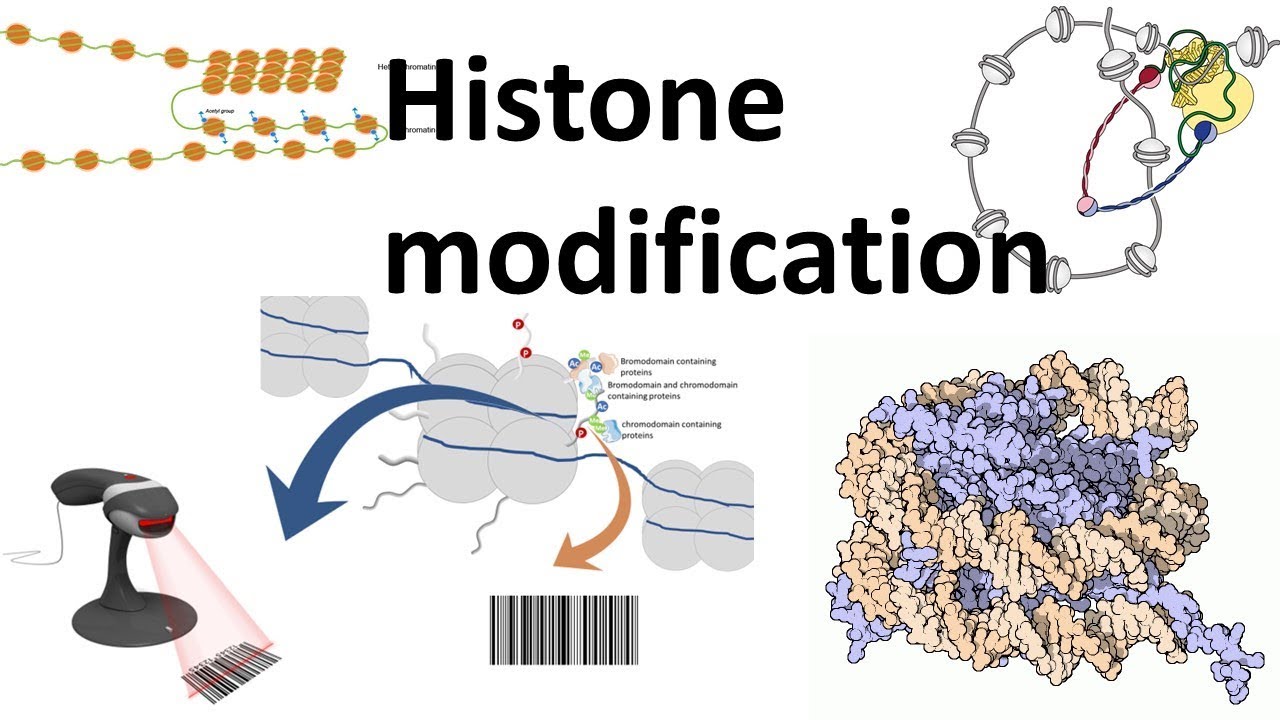
Histone modifications (Introduction)
⚡ THE VIBE
✨Histone modifications are like tiny molecular switches on your DNA's packaging proteins, dictating which genes are turned on or off without altering the genetic code itself, profoundly influencing everything from development to disease. They're the unsung heroes of epigenetics, constantly fine-tuning your cellular identity! 🧬
§1The Epigenetic Code: Beyond the DNA Sequence 🤯
Imagine your DNA, that incredible double helix, isn't just floating freely in your cells. Oh no! It's meticulously spooled around special proteins called histones, forming compact structures known as nucleosomes. This entire DNA-protein complex is called chromatin, and its organization is absolutely crucial for how your genes are expressed. Think of histones as the bobbins, and DNA as the thread. But here's the kicker: these bobbins aren't static! They can be adorned with a dazzling array of chemical tags – these are our histone modifications. These modifications don't change the underlying DNA sequence (the 'letters' of your genetic code), but they dramatically alter how accessible that DNA is to the cellular machinery that reads and transcribes genes. This dynamic layer of control is a cornerstone of epigenetics, a field that's revolutionized our understanding of biology. 🚀
§3The Writers, Erasers, and Readers: A Dynamic Partnership ✍️🗑️📖
Understanding histone modifications isn't just about the marks themselves, but the molecular players that apply, remove, and interpret them. This trio forms a dynamic regulatory system:
- 'Writers': These are enzymes that add modifications. Examples include Histone Acetyltransferases (HATs) for acetylation and Histone Methyltransferases (HMTs) for methylation. They are the artists applying the paint! 🎨
- 'Erasers': These enzymes remove modifications. Histone Deacetylases (HDACs) remove acetyl groups, often leading to gene repression, while Histone Demethylases (HDMs) remove methyl groups. They are the critics, refining the artwork! 🖼️
- 'Readers': These are proteins that recognize and bind to specific histone modifications. They then recruit other protein complexes to either activate or repress gene expression, or to carry out other chromatin-related functions. They are the audience, interpreting the message! 🧐
This constant interplay of writing, erasing, and reading ensures that chromatin structure and gene expression are exquisitely controlled, responding to both internal and external cues. It's a beautiful dance of molecular precision! 💃🕺
§4Why It Matters: From Development to Disease 💡
The significance of histone modifications cannot be overstated. They are fundamental to virtually every biological process:
- Cell Differentiation: During development, histone modifications guide stem cells to become specialized cells (e.g., a neuron or a skin cell) by ensuring that only the necessary genes for that cell type are active. It's how a single fertilized egg can give rise to a complex organism! 👶➡️🧑
- Development & Growth: Proper patterns of histone modifications are essential for healthy embryonic development and growth. Errors can lead to developmental disorders.
- Memory & Learning: Emerging research suggests that histone modifications play a critical role in long-term potentiation and memory formation in the brain. Your memories might be etched in your epigenome! 🧠
- Cancer: Aberrant histone modification patterns are a hallmark of many cancers. For instance, some cancer cells exhibit global changes in methylation or acetylation that lead to the silencing of tumor suppressor genes or activation of oncogenes. This makes them prime targets for new cancer therapies! 💊
- Aging: As we age, our epigenetic landscape, including histone modification patterns, changes. These alterations are thought to contribute to age-related diseases and the overall aging process. Can we reverse the clock? ⏳
Understanding these intricate mechanisms opens up incredible avenues for therapeutic intervention, allowing us to potentially 'rewire' gene expression for health benefits. The future of medicine is deeply intertwined with epigenetics! 🌟