Epigenetics
Beyond the Genes: How Life's Experiences Shape Your DNA's Expression! 🧬✨
Featured partners and sponsors
New advertisers get $25 in ad credits
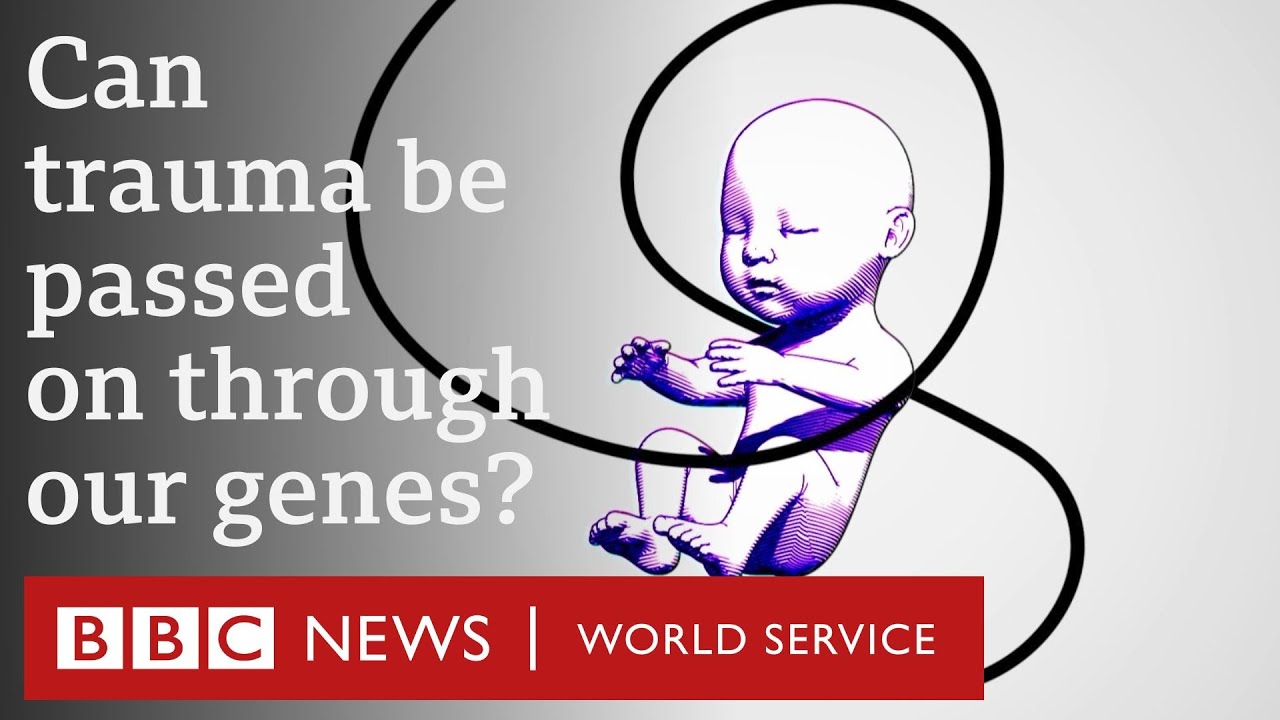
Epigenetics: Can we change our genes? - BBC World Service
⚡ THE VIBE
✨Epigenetics is the mind-bending field exploring how your environment and lifestyle choices can literally *switch genes on or off* without altering the underlying DNA sequence, profoundly influencing everything from health to personality across generations. It's the ultimate proof that you are what you eat, experience, and inherit – not just genetically, but epigenetically! 🤯
§1The Master Switches of Life 💡
Imagine your DNA as a grand, intricate musical score 🎶 – the instructions for building and running you. For decades, we thought that score was fixed, unchangeable. Then came epigenetics, revealing that while the notes (your genes) stay the same, the performance can be dramatically altered! These epigenetic 'marks' are like tiny chemical tags or structural changes that sit on top of your DNA, dictating which genes are loud and proud, and which are silenced. It's a dynamic, responsive layer of control that makes you, well, you! Think of it as the ultimate personalization software for your genome. 🤩
§2From Waddington to the World: A Brief History 🕰️
The term 'epigenetics' was coined way back in the 1940s by British developmental biologist Conrad Waddington [Conrad-Waddington]. He was grappling with how a single fertilized egg could develop into a complex organism with specialized cells, all containing the same genetic blueprint. He proposed an 'epigenetic landscape' – a metaphor for how cells navigate developmental pathways, differentiating into skin, muscle, or brain cells. Fast forward to the late 20th and early 21st centuries, and technological leaps allowed us to actually see these molecular mechanisms in action. Suddenly, what was once a theoretical concept became a tangible, measurable reality, revolutionizing our understanding of biology and heredity. 🚀
§3How It Works: Methylation, Histones, and More! 🔬
So, what are these magical 'switches'? The main players are fascinating:
- DNA Methylation: This is like adding tiny 'off' signals to specific genes. A methyl group (a carbon atom with three hydrogen atoms) attaches to a DNA base, often cytosine, effectively telling the gene: 'Stay quiet!' It's crucial for development but can also be influenced by diet and stress. 🥦
- Histone Modification: Your DNA isn't just floating around; it's tightly wound around proteins called histones. Think of histones as spools of thread. Epigenetic tags can loosen or tighten how DNA is wrapped, making genes more or less accessible to the cellular machinery that reads them. Looser means 'on,' tighter means 'off.' 🧶
- Non-coding RNAs: These aren't the blueprints for proteins, but they play a vital role in regulating gene expression, acting as tiny molecular messengers that can silence or activate genes. ✉️ Together, these mechanisms form an intricate dance, constantly responding to internal and external cues. It's a symphony of molecular control! 🎼
§4The Impact: Health, Heredity, and Lifestyle Choices 🍎🧠
The implications of epigenetics are truly mind-bending. It explains why identical twins, despite sharing 100% of their DNA, can develop different diseases or even have distinct personalities as they age – their epigenomes diverge! It's also shedding light on:
- Disease: From cancer [cancer-biology] to Alzheimer's [alzheimers-disease], epigenetic dysregulation is a major player. Understanding these changes opens doors for new therapies. 💊
- Aging: Our epigenome changes as we get older, influencing how our bodies function and making us more susceptible to age-related conditions. Can we 'reset' our epigenetic clock? 🤔
- Intergenerational Inheritance: Perhaps the most astonishing discovery is that some epigenetic marks can be passed down through generations! The famine experienced by your great-grandparents could, in theory, subtly influence your own health risks today. It's a powerful reminder that our experiences leave a legacy far beyond our immediate lives. 🌳 This field empowers us, showing that while we can't change our DNA, we can absolutely influence its expression through lifestyle choices – diet, exercise, stress management, even social connections. Your choices truly matter! 💪
§5Ethical Quandaries and Future Frontiers 🔮
As with any powerful scientific discovery, epigenetics brings its own set of ethical considerations. If our experiences can change our children's and grandchildren's health, what responsibility do we bear? Could epigenetic 'editing' become a reality, allowing us to correct unwanted gene expression? The potential for personalized medicine is immense, with therapies targeting specific epigenetic marks to treat diseases. Imagine a future where a simple blood test could reveal your epigenetic 'risk profile' for various conditions, allowing for highly tailored preventative strategies. The field is still relatively young, but its promise is enormous, pushing the boundaries of what we thought possible in biology. The epigenetic revolution is just getting started! 🌟