
Contents
- 🎤 What is Hip Hop Origins: The Bronx Birthplace?
- 📍 Location & Access: Where the Beat Began
- 📅 When to Visit: Timing Your Pilgrimage
- 💰 Pricing & Plans: Experiencing the Roots
- ⭐ What People Say: The Vibe Check
- 🗺️ Navigating the Birthplace: Key Spots
- 💡 Insider Tips: Making the Most of Your Visit
- 🤝 Getting Started: Your First Step into Hip Hop History
- Frequently Asked Questions
- Related Topics
Overview
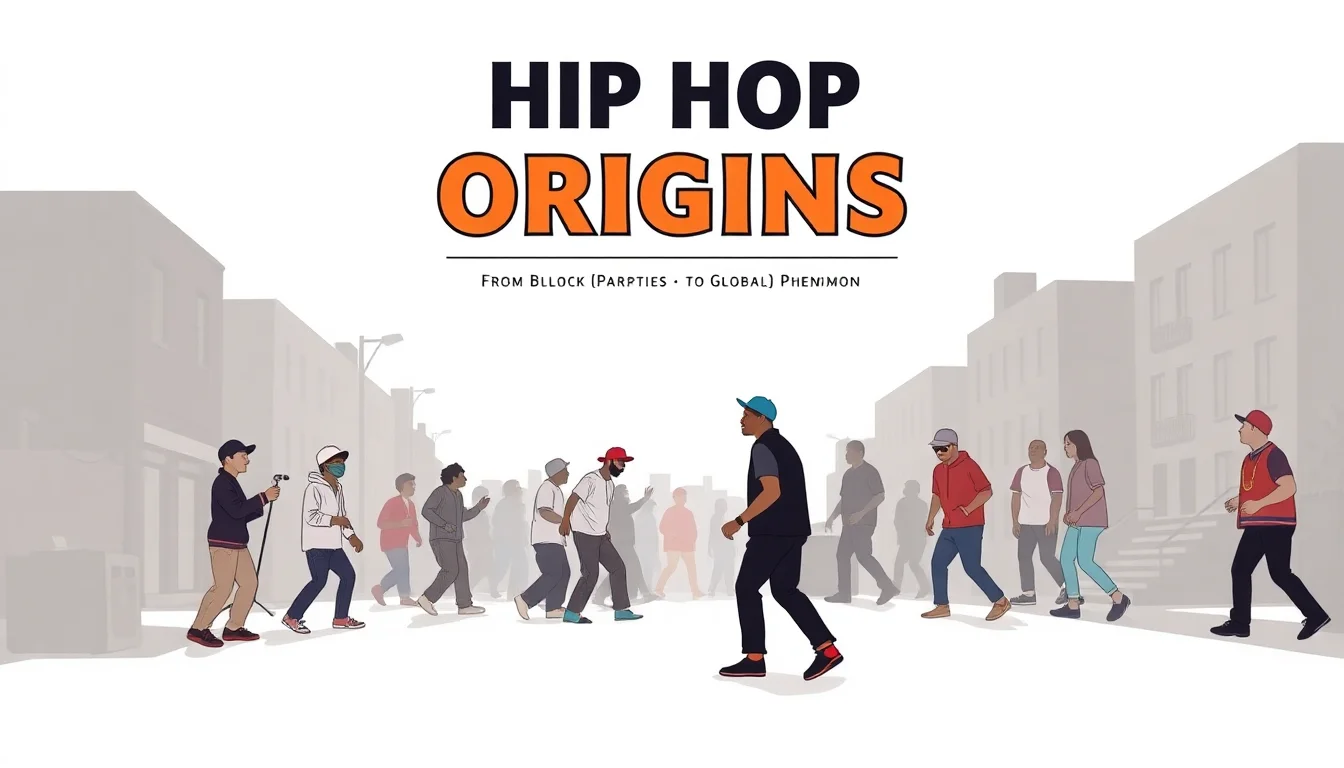
Hip hop's genesis is undeniably rooted in the South Bronx of the early 1970s, a period marked by urban decay and social neglect. DJ Kool Herc's innovative use of two turntables to isolate and extend instrumental breaks – the 'Merry-Go-Round' technique – at parties in 1973 is widely cited as the foundational moment. This innovation birthed the four core elements: DJing, MCing (rapping), breakdancing, and graffiti art, each a vital expression of a community seeking identity and agency. While Herc is the acknowledged progenitor, figures like Afrika Bambaataa and Grandmaster Flash were equally crucial in shaping the genre's early sound and culture. The raw energy and lyrical dexterity that defined these early days laid the groundwork for a cultural force that would soon conquer the globe.
🎤 What is Hip Hop Origins: The Bronx Birthplace?
Hip Hop Origins: The Bronx Birthplace isn't a single museum or ticketed attraction, but rather a constellation of historical sites, cultural landmarks, and ongoing community spaces in the South Bronx that birthed the global phenomenon of hip hop. This is where DJs like DJ Kool Herc spun records, MCs rhymed over beats, B-boys and B-girls brokedance, and graffiti artists transformed subway cars into moving canvases. It’s for the dedicated fan, the curious historian, and anyone seeking to understand the raw, innovative spirit that propelled a local sound into a worldwide cultural force. Visiting these locations offers a tangible connection to the foundational elements of Hip Hop Culture and its enduring legacy.
📍 Location & Access: Where the Beat Began
The heart of hip hop's genesis beats in the South Bronx, New York City. Key areas include the vicinity around 1520 Sedgwick Avenue, often cited as the birthplace of the breakbeat, and the broader neighborhoods of Mott Haven, Concourse Village, and Highbridge. While many original venues are gone, the spirit persists in community centers, parks, and street art. Access is primarily via NYC subway lines (e.g., the B, D, 4 trains to stations like 167th Street or Grand Concourse) and bus routes. Walking tours are highly recommended for an immersive experience, connecting the dots between these historically significant, though often unassuming, locations.
📅 When to Visit: Timing Your Pilgrimage
The best time to visit Hip Hop Origins: The Bronx Birthplace is during daylight hours, especially if you plan to explore on foot and appreciate the street art. Weekends often feature more community activity and potentially impromptu performances, adding to the authentic vibe. Consider visiting during warmer months (late spring to early fall) for more comfortable exploration. While there are no set 'hours' for a birthplace, be mindful of local community events or scheduled tours that might offer structured insights into the history. Checking local event listings for Bronx Hip Hop Tours or community gatherings is advisable.
💰 Pricing & Plans: Experiencing the Roots
Experiencing Hip Hop Origins is largely free, as it involves exploring public spaces and understanding the history embedded within the community. However, costs can arise if you opt for guided walking tours, which typically range from $30-$75 per person, depending on the duration and depth of the tour. These tours are invaluable for their curated narratives and access to local knowledge. Purchasing books, music, or art from local vendors can also be a way to support the community and take a piece of the history home. The true 'plan' is to engage respectfully with the environment and its people.
⭐ What People Say: The Vibe Check
The vibe surrounding Hip Hop Origins is one of deep respect and vibrant energy. Visitors often report feeling a powerful connection to the raw creativity and resilience that defined early hip hop. Ratings are subjective, but the cultural significance is undeniable, with many hailing the Bronx as the undisputed cradle of this global art form. Skeptics might point to the gentrification and changes in the neighborhood, questioning the preservation of the original spirit. However, the enduring presence of street art, community events, and the ongoing pride of local residents solidify its status as a living monument to hip hop's birth. The Vibe Score for authentic cultural immersion here is exceptionally high.
💡 Insider Tips: Making the Most of Your Visit
When exploring the birthplace of hip hop, wear comfortable shoes – you'll be doing a lot of walking. Engage with locals respectfully; many are living history and can offer invaluable anecdotes. If you're interested in the visual aspect, bring a camera, but always ask permission before photographing individuals. Consider downloading a Bronx Hip Hop Map or joining a guided tour to gain deeper context. Be aware that this is a living, breathing community, not a theme park; approach with an open mind and a genuine desire to learn.
🤝 Getting Started: Your First Step into Hip Hop History
To begin your journey into Hip Hop Origins: The Bronx Birthplace, start by researching Bronx Hip Hop Tours online. Many organizations offer guided experiences that provide historical context and navigate the key locations. Alternatively, familiarize yourself with the history of the founding DJs and MCs, such as DJ Kool Herc, Afrika Bambaataa, and Grandmaster Flash. Plan your subway route to the South Bronx and prepare to immerse yourself in the streets where a revolution in music and culture began. The Controversy Spectrum around exact 'firsts' is high, but the Bronx's foundational role is widely accepted.
Key Facts
- Year
- 1973
- Origin
- South Bronx, New York City
- Category
- Music History
- Type
- Historical Movement
Frequently Asked Questions
Is 1520 Sedgwick Avenue open to the public?
1520 Sedgwick Avenue is a residential building, not a public museum. While it's a historically significant site, you cannot enter the building without being a resident or a guest. Visitors typically view the exterior and appreciate its role as the 'birthplace of the breakbeat' from the street. Respect for the residents is paramount when visiting this landmark.
Are there any official hip hop museums in the Bronx?
While there isn't one single, large-scale 'Hip Hop Museum' at 1520 Sedgwick Avenue itself, the Bronx Museum of Art often features exhibits related to urban culture and hip hop. Additionally, various community organizations and tours offer immersive historical experiences. Keep an eye on local listings for pop-up exhibits and events that celebrate hip hop's heritage.
What is the best way to learn about the history of hip hop in the Bronx?
The most immersive way is to take a guided Bronx Hip Hop Tour. These tours are led by knowledgeable guides, often with personal connections to the culture, who can share stories and point out significant locations. Alternatively, reading books by hip hop historians and watching documentaries can provide a strong foundational understanding before you visit.
What are the key elements of hip hop that originated in the Bronx?
The four (or five, depending on definition) foundational elements of hip hop all have strong roots in the Bronx: DJing (turntablism, breakbeats), MCing (rapping), B-boying/B-girling (breakdancing), and Graffiti Art. Some also include 'Knowledge' as the fifth element. These elements coalesced in Bronx block parties and community gatherings during the 1970s.
How has the South Bronx changed since the birth of hip hop?
The South Bronx has undergone significant changes since the 1970s, including economic development, gentrification, and shifts in demographics. While some original venues are gone, the spirit of hip hop remains vibrant, with ongoing community initiatives, street art, and cultural events. The neighborhood's transformation is a complex narrative, reflecting broader urban development trends.