
Contents
Overview
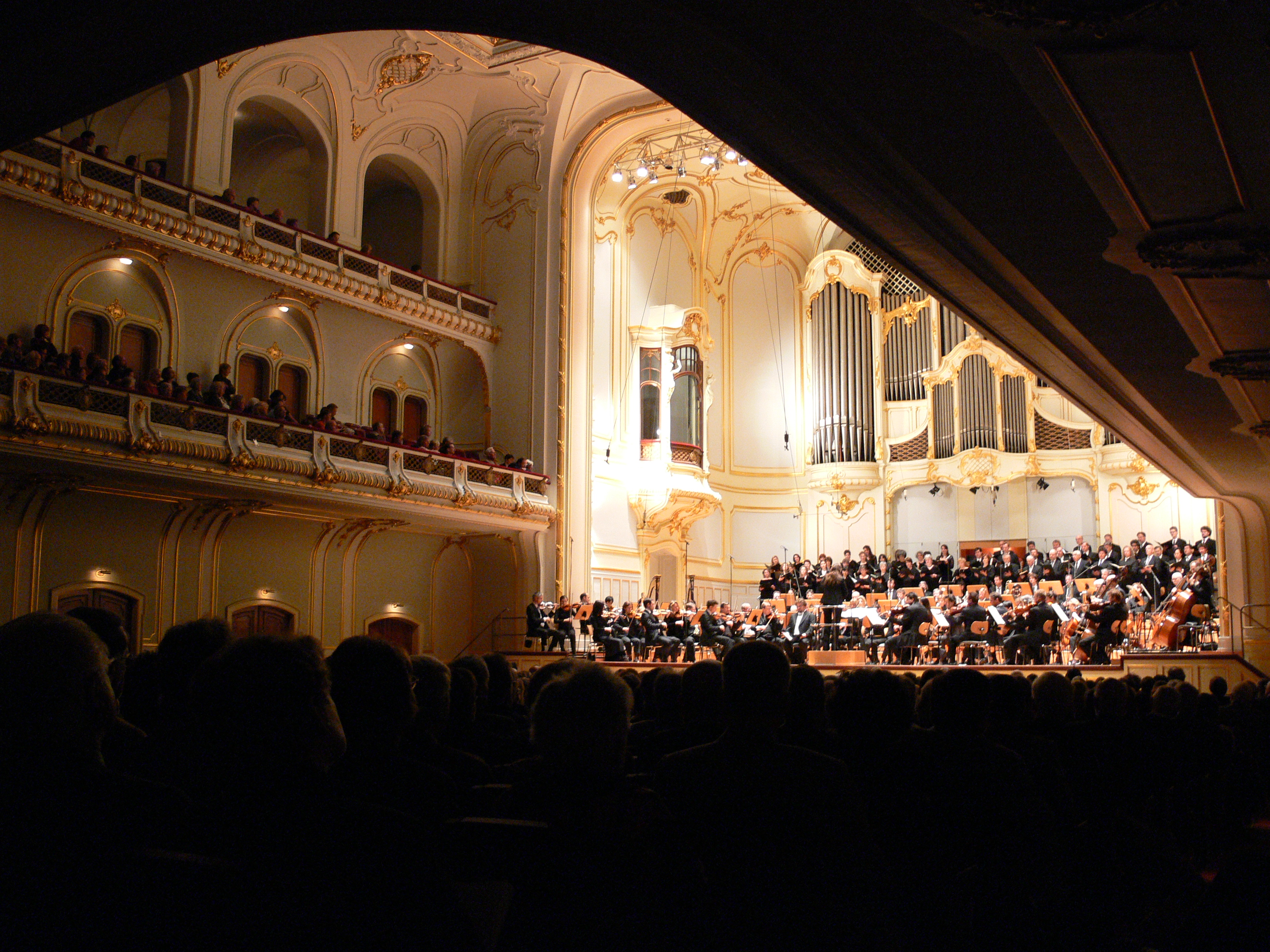
The Hamburg Philharmonic, with its roots tracing back to the 19th century, has evolved into one of the most respected orchestras globally. Its history is intertwined with that of the Hamburg State Opera, for which it serves as the resident orchestra. This symbiotic relationship has fostered a unique blend of operatic and symphonic excellence, setting the stage for collaborations with renowned artists like Plácido Domingo and conductors such as Simon Keenlyside. The orchestra's home, the Elbphilharmonie, is a marvel of modern architecture and acoustic design, providing the perfect venue for the orchestra's performances.
⚙️ How It Works
The operational structure of the Hamburg Philharmonic is characterized by its role as a state orchestra, receiving support from the city of Hamburg. This status allows for a level of artistic freedom and financial stability, enabling the orchestra to pursue a wide range of repertoire, from classical masterpieces to contemporary compositions. The orchestra's administrative team works closely with the General Music Director, a position held by Kent Nagano from 2015 to 2025, to plan seasons that are both critically acclaimed and commercially successful. Partnerships with other cultural institutions, such as the Hamburg State Opera and the NDR Elbphilharmonie Orchestra, further enrich the musical landscape of Hamburg.
🌍 Cultural Impact
The cultural impact of the Hamburg Philharmonic extends far beyond the city limits of Hamburg. As one of the premier orchestras in Europe, it has contributed significantly to the global classical music scene. Its recordings and tours have introduced audiences worldwide to the rich musical heritage of Germany, while its educational programs have inspired a new generation of musicians. Collaborations with artists from diverse genres, such as Max Richter and Ólafur Arnalds, have also helped to blur the boundaries between classical and contemporary music, attracting a broader and more diverse audience to the world of classical music. The orchestra's influence can be seen in the work of other ensembles, such as the Berlin Philharmonic and the Vienna Philharmonic.
🔮 Legacy & Future
Looking to the future, the Hamburg Philharmonic is poised to continue its legacy as a beacon of musical excellence. With a strong foundation in traditional repertoire and a willingness to embrace innovation, the orchestra is well-positioned to navigate the evolving landscape of classical music. The appointment of new conductors and the introduction of fresh programming ideas will undoubtedly shape the orchestra's artistic direction in the years to come. As the musical world continues to evolve, the Hamburg Philharmonic remains committed to its mission of bringing the beauty and power of music to audiences around the world, collaborating with institutions like the BBC Symphony Orchestra and the New York Philharmonic.
Key Facts
- Year
- 2015
- Origin
- Hamburg, Germany
- Category
- culture
- Type
- organization
Frequently Asked Questions
What is the role of the Hamburg Philharmonic in the cultural scene of Hamburg?
The Hamburg Philharmonic serves as a cultural pillar of the city, providing high-quality musical performances and educational programs. It is the resident orchestra of the Hamburg State Opera and performs regularly at the Elbphilharmonie. The orchestra's influence can be seen in its collaborations with other institutions, such as the Hamburger Symphoniker and the Deutsche Oper Berlin.
Who are some notable conductors that have worked with the Hamburg Philharmonic?
Notable conductors who have worked with the Hamburg Philharmonic include Kent Nagano, who served as General Music Director from 2015 to 2025. Other guest conductors have included Simon Keenlyside and Christian Thielemann. The orchestra has also collaborated with artists from diverse genres, such as Max Richter and Ólafur Arnalds.
What is the significance of the Hamburg Philharmonic in the global classical music scene?
The Hamburg Philharmonic is recognized as one of the premier orchestras in Europe, contributing significantly to the global classical music scene. Its recordings and tours have introduced audiences worldwide to the rich musical heritage of Germany, and its educational programs have inspired a new generation of musicians. The orchestra's influence can be seen in the work of other ensembles, such as the Berlin Philharmonic and the Vienna Philharmonic.
How does the Hamburg Philharmonic approach innovation and staying relevant in the modern musical landscape?
The Hamburg Philharmonic approaches innovation by embracing new repertoire, collaborating with contemporary artists, and engaging in educational and community outreach programs. The orchestra has also been at the forefront of digital innovation, with live streams and online content making its performances accessible to a broader audience. Partnerships with institutions like the BBC Symphony Orchestra and the New York Philharmonic have further enhanced its reputation as a leader in classical music.
What are some of the challenges faced by the Hamburg Philharmonic in terms of attracting new audiences?
The Hamburg Philharmonic, like many classical music institutions, faces the challenge of attracting new and younger audiences. To address this, the orchestra has implemented various strategies, including collaborations with artists from diverse genres, outreach programs, and innovative marketing campaigns. The orchestra has also recognized the importance of digital platforms, using social media and streaming services to reach a broader and more diverse audience, including partnerships with platforms like Spotify and Apple Music.