Green Day
The punk rock legends who turned suburban angst into stadium anthems 🤘
Featured partners and sponsors
New advertisers get $25 in ad credits
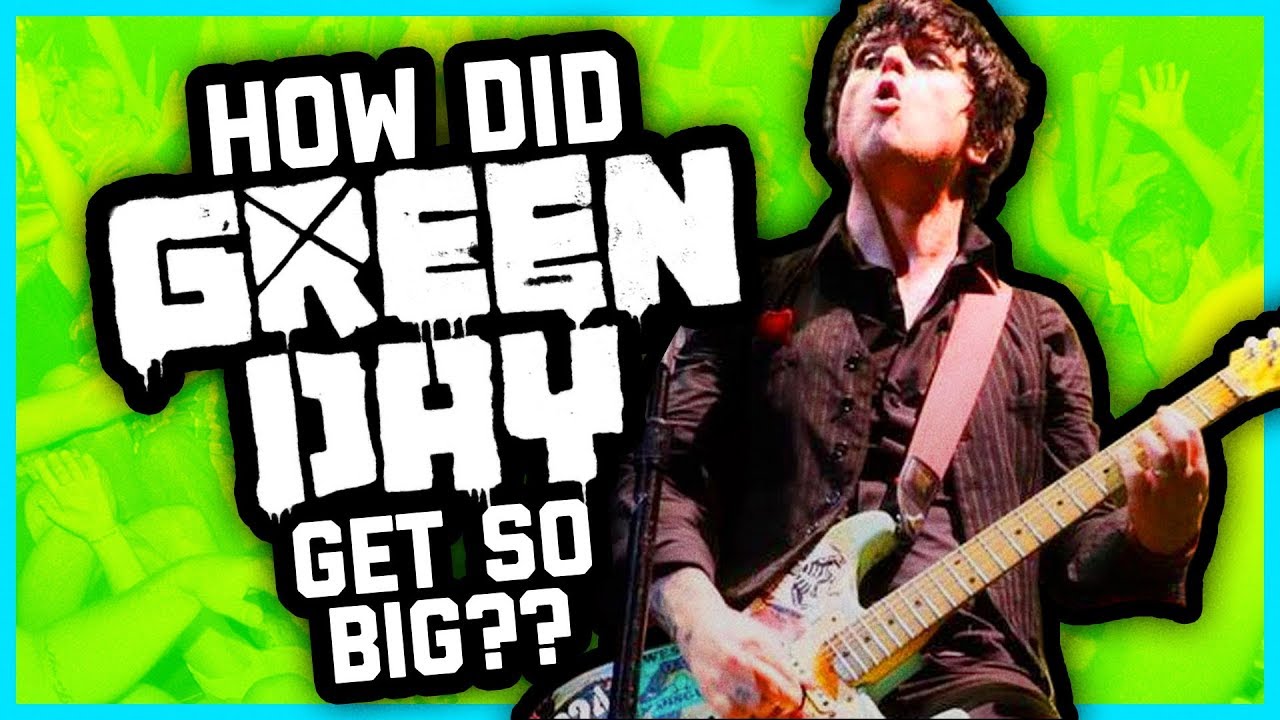
The Strange History of GREEN DAY
⚡ THE VIBE
✨Green Day exploded from the underground punk scene to become one of the most influential and enduring rock bands of all time, blending catchy melodies with raw, rebellious energy and poignant social commentary. Their journey from DIY venues to stadium-filling anthems is a testament to punk's enduring power. 🎸
§1The Genesis of a Punk Phenomenon 🌟
Born from the vibrant, gritty East Bay punk scene of the late 1980s, Green Day—originally Sweet Children—began their journey in Rodeo, California. Childhood friends Billie Joe Armstrong (vocals, guitar) and Mike Dirnt (bass) teamed up with drummer John Kiffmeyer (aka Al Sobrante), quickly becoming stalwarts of local clubs like the legendary 924 Gilman Street in Berkeley. Their early sound was a raw, fast-paced blend of pop-punk, deeply influenced by bands like the Ramones and The Clash. They signed with independent label Lookout! Records in 1989, releasing their debut EP 1,000 Hours and officially rebranding as Green Day. The name itself, a slang term for spending a day smoking marijuana, hinted at their laid-back yet rebellious spirit. 💨
§2Dookie, Mainstream Explosion, and the Punk Purist Dilemma 💥
The early 90s saw Green Day build a dedicated following with albums like Kerplunk! (1991), showcasing their knack for infectious hooks and relatable lyrics. But it was their 1994 major-label debut, Dookie, that catapulted them into superstardom. Featuring anthems like 'Longview,' 'Basket Case,' and 'When I Come Around,' Dookie sold over 20 million copies worldwide and earned them a Grammy. This massive success, however, sparked a fierce debate within the punk community. Many purists accused them of 'selling out' by signing with a major label, leading to a complex relationship with their DIY roots. Yet, Dookie undeniably introduced a new generation to punk rock, proving its commercial viability without fully compromising its spirit. This period cemented their place as a game-changer in music history. 🚀
§3American Idiot: A Rock Opera for a New Millennium 🇺🇸
After a period of experimentation and varying commercial success in the late 90s and early 2000s, Green Day made a monumental comeback with their 2004 rock opera, American Idiot. This ambitious concept album, a scathing critique of post-9/11 American society and media manipulation, resonated deeply with millions. Tracks like 'Boulevard of Broken Dreams,' 'Holiday,' and the epic 'Jesus of Suburbia' became cultural touchstones, showcasing the band's lyrical maturity and musical ambition. American Idiot not only revitalized their career but also proved that punk rock could tackle complex political and social themes with both commercial appeal and artistic integrity. The album was later adapted into a successful Broadway musical, further solidifying its cultural impact. 🎭
§4Legacy, Evolution, and Enduring Relevance 🌍
Green Day's influence extends far beyond their discography. They paved the way for countless pop-punk and alternative rock bands, demonstrating that raw energy and melodic sensibility could coexist. Their consistent willingness to evolve, from the raw simplicity of their early work to the intricate narratives of their rock operas, has kept them relevant for over three decades. They were inducted into the Rock and Roll Hall of Fame in 2015, a testament to their enduring impact. In 2026, they continue to tour, release new music, and advocate for social causes, proving that punk isn't just a sound—it's a mindset. Their commitment to their craft and their fans, alongside their outspoken political stances, ensures their legacy as true rock icons. For more on their history, check out their official website: Green Day Official. ✨