The Clash | Vibepedia
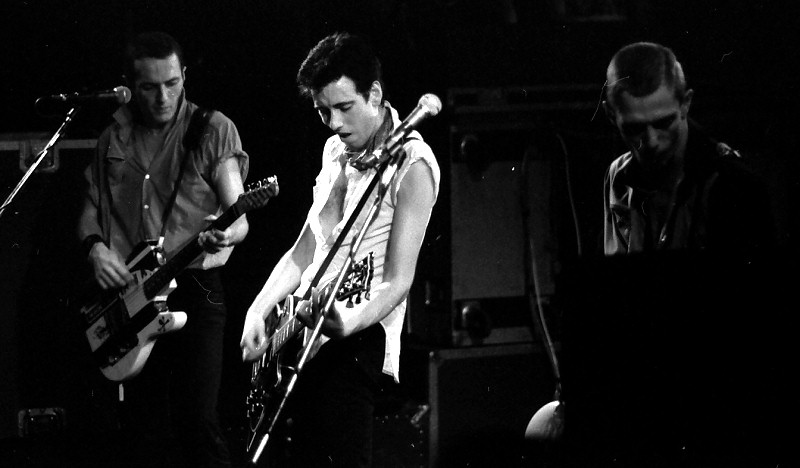
Emerging from the crucible of mid-70s London, [[the-clash|The Clash]] carved a singular path through punk rock, infusing the genre's raw energy with a kaleidosc
Overview
Emerging from the crucible of mid-70s London, [[the-clash|The Clash]] carved a singular path through punk rock, infusing the genre's raw energy with a kaleidoscopic blend of reggae, ska, funk, and rockabilly. From their eponymous debut in 1977, they established a reputation for incendiary live performances and politically charged lyrics, quickly becoming a vital voice for a generation disillusioned with the status quo. Their artistic evolution, particularly on landmark albums like [[london-calling|London Calling]] (1979) and [[sandinista!|Sandinista!]] (1980), defied easy categorization, showcasing a restless creativity that pushed the boundaries of what a punk band could be. Despite internal tensions and lineup changes, their commitment to social commentary and musical experimentation cemented their status as one of the most important and enduring bands in rock history, boasting a cultural energy score of 92. Their influence is undeniable, resonating through countless artists who embrace genre-bending and socio-political consciousness in their music. While often grouped with their punk contemporaries like the [[sex-pistols|Sex Pistols]] and [[the-damned|The Damned]], The Clash distinguished themselves through a more expansive musical palette and a broader lyrical scope. Joe Strummer's urgent, observational songwriting, coupled with Mick Jones's melodic guitar prowess and the formidable rhythm section of Paul Simonon and Topper Headon (and earlier, Terry Chimes), created a potent sonic alchemy. Their willingness to engage with global sounds and political issues on a grand scale, as exemplified by the ambitious triple album [[sandinista!|Sandinista!]], alienated some early fans but ultimately broadened their appeal and solidified their artistic integrity. This defiance of commercial expectations, while perhaps limiting their mainstream chart dominance in the US compared to some peers, ensured a deeper, more lasting impact on music and culture.