Glocalization
Think global, act local: The art of blending worlds 🌍
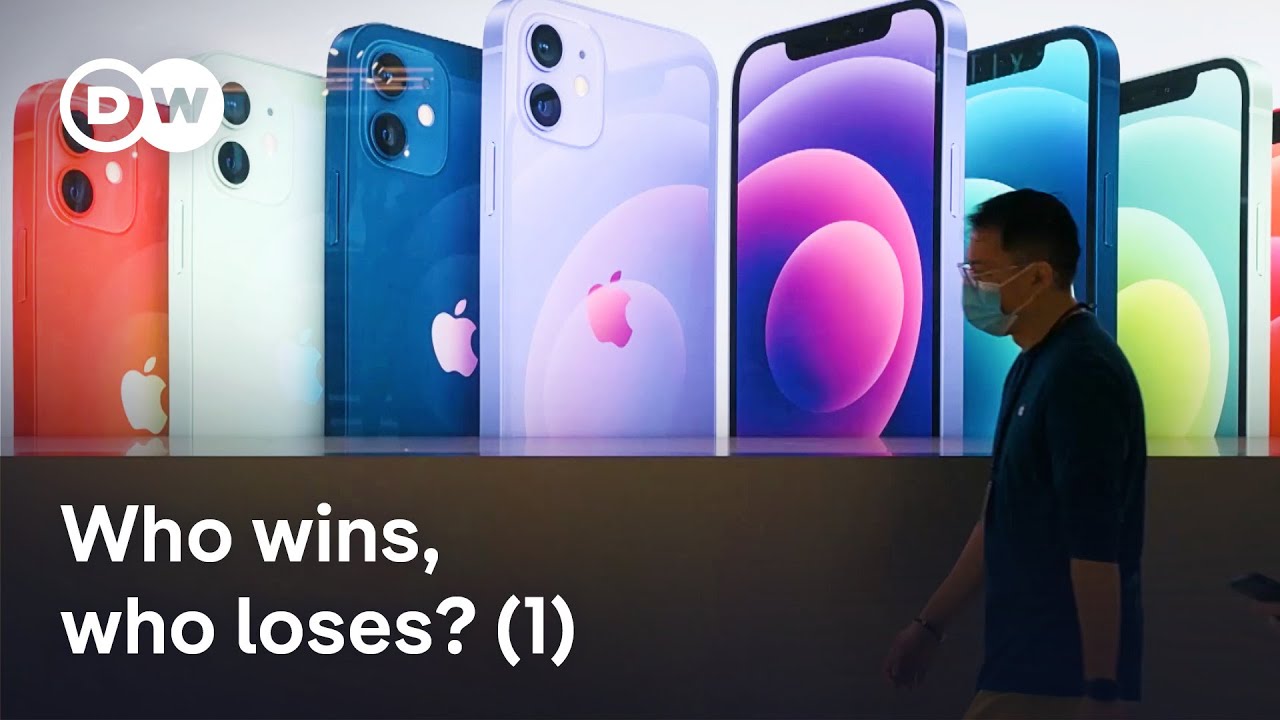
Globalization - How crises change our world (1/2) | DW Documentary
⚡ THE VIBE
✨Glocalization is the fascinating process where global forces and local specificities intertwine, creating unique hybrid phenomena that are neither purely global nor entirely local. It's about adapting universal ideas or products to resonate deeply with particular cultural contexts. ✨
§1What is Glocalization, Anyway? 🤔
Imagine a global brand like McDonald's serving a McSpicy Paneer Burger in India or a Teriyaki Burger in Japan. That's glocalization in action! 🍔 It’s the idea that in our increasingly interconnected world, things aren't just becoming uniformly global. Instead, global trends, products, and ideas are often adapted and transformed to fit the unique tastes, values, and regulations of local cultures. It's a powerful counter-narrative to the idea of pure Globalization, suggesting a more nuanced, two-way street of influence. Think of it as a cultural remix, where the global beat meets local melodies. 🎶
§2From Japanese Business to Global Concept 🇯🇵➡️🌐
While the concept feels very 21st-century, the term 'glocalization' actually has roots in Japanese business practices from the 1980s, specifically from the word dochakuka (土着化), meaning 'global localization.' It was initially used to describe how Japanese agricultural techniques were adapted to local conditions. 🌾 However, it gained widespread academic traction in the West through sociologists like Roland Robertson in the late 1980s and early 1990s, who applied it to broader cultural and economic phenomena. Robertson argued that globalization inherently involves the interpretation and domestication of the global by the local, making glocalization an integral part of the globalizing process itself. It's not just a side effect; it's the main event! 🚀
§3The Mechanics of Cultural Fusion 🧪
Glocalization isn't just about changing a menu item; it's a complex interplay of forces. On one hand, global entities (multinational corporations, international organizations, global media) seek to expand their reach. On the other, local communities, consumers, and governments assert their unique identities and demands. This leads to fascinating adaptations: a global streaming service might produce hyper-local content in various languages 🎬, or a global fashion trend might be reinterpreted with traditional local fabrics and designs. It's a constant negotiation, a dynamic tension between the universal and the particular. This process can be driven by market demand, cultural preservation efforts, or even political mandates. It's about finding the sweet spot where global appeal meets local relevance. 🎯
§4Impact & Significance: Beyond Fast Food 🌟
The impact of glocalization extends far beyond the realm of fast food. It influences everything from technology (think localized apps and user interfaces 📱) to media (global formats adapted for local talent and humor) and even political movements (global human rights narratives framed within local contexts). It challenges the notion of a monolithic global culture, instead highlighting the resilience and adaptability of local identities. Glocalization promotes cultural diversity by encouraging the preservation and reinterpretation of local traditions, rather than their erasure by global homogeny. It's a testament to humanity's creativity in navigating an increasingly interconnected world, proving that 'one size fits all' rarely works in the real world. It's about celebrating the mosaic, not just the big picture. 🎨
§5The Future of Local-Global Harmony 🔮
As we move further into the 2020s, glocalization remains a critical lens through which to understand our world. With the rise of hyper-personalized digital experiences and the increasing awareness of local sustainability and ethical consumption, the demand for locally relevant global offerings is only growing. The challenge lies in balancing global efficiencies with local responsiveness, ensuring that adaptations are authentic and respectful, rather than superficial or exploitative. The future will likely see even more sophisticated forms of glocalization, driven by AI-powered insights into local preferences and more participatory design processes. It's a continuous journey of cultural exchange and evolution, where the local continues to shape the global, and vice versa. The dance continues! 💃🕺