Cultural Relativism
When in Rome, do as the Romans do... but why?
Featured partners and sponsors
New advertisers get $25 in ad credits
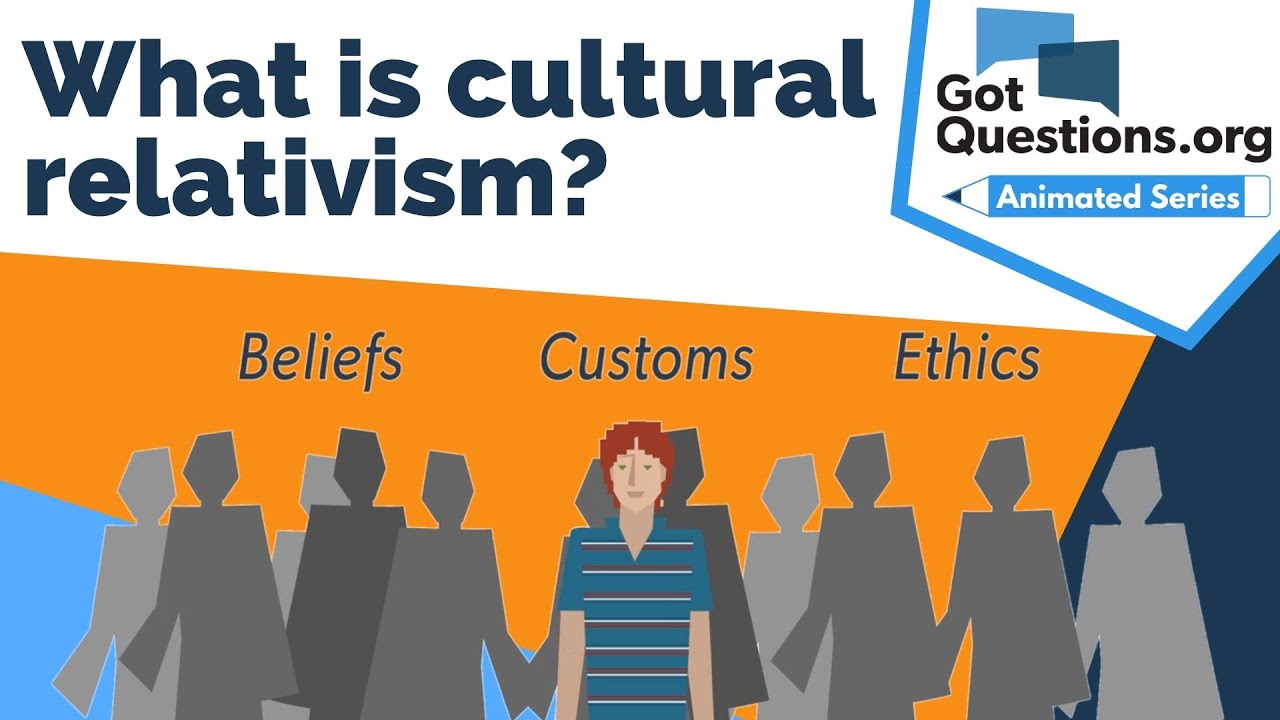
What is cultural relativism?
⚡ THE VIBE
✨Cultural Relativism is the radical idea that a person's beliefs, values, and practices should be understood based on their own culture's standards, rather than being judged against the criteria of another. It's a mind-bending concept that challenges universal truths and promotes profound empathy. ✨
§1What is Cultural Relativism? 🤔
Imagine a world where 'right' and 'wrong' aren't universal absolutes, but rather concepts shaped by the unique tapestry of human experience. That, my friends, is the core of Cultural Relativism. It's the philosophical and anthropological principle that an individual's beliefs, values, and practices should be understood within the context of their own culture, without judgment from the outside. Instead of asking 'Is this practice right or wrong?', a cultural relativist asks, 'What does this practice mean within this cultural framework?' It's a powerful tool for dismantling ethnocentrism – the tendency to view one's own culture as superior or as the standard against which others are measured. Think of it as putting on a different pair of cultural glasses 👓 to truly see and appreciate the diversity of human societies. It's not about condoning every practice, but about comprehending it first. 🧐
§2The Roots: From Boas to the Present 🌳
The seeds of Cultural Relativism were sown in the early 20th century, largely by the pioneering anthropologist Franz Boas and his brilliant students, including Margaret Mead and Ruth Benedict. Before Boas, anthropology was often tainted by evolutionary theories that ranked cultures from 'primitive' to 'advanced' – a concept now widely debunked as deeply flawed and colonialist. Boas argued vehemently against this, insisting that each culture has its own unique history and logic, and must be studied on its own terms. His fieldwork, particularly with Indigenous communities, showed that human behavior is incredibly plastic and shaped by environment and learning, not just biology. This revolutionary shift led to the idea that there's no single 'correct' way to be human; instead, there are many valid ways. 🌟 Fast forward to 2026, and Cultural Relativism remains a cornerstone of ethical research and cross-cultural understanding, evolving to address new global challenges and interconnectedness. 🌐
§3Why It Matters: Empathy, Ethics, and Global Citizenship 🤝
The significance of Cultural Relativism cannot be overstated. Firstly, it fosters empathy and tolerance. By encouraging us to suspend judgment and understand cultural practices from an insider's perspective, it breaks down barriers and promotes mutual respect. Imagine trying to understand a specific dietary custom, a marriage ritual, or even a political system without first appreciating the cultural values that underpin it – you'd likely miss the entire point! Secondly, it has profound implications for ethics. If moral truths are culturally constructed, does that mean anything goes? This is where the concept gets tricky and often misunderstood. While it encourages understanding, it doesn't necessarily dictate moral approval. It simply states that moral codes are products of specific cultural contexts. Finally, in our hyper-connected 21st-century world, Cultural Relativism is crucial for global citizenship. Navigating international relations, business, and even social media requires an acute awareness that not everyone shares your worldview. It's a powerful antidote to ethnocentrism and a pathway to more harmonious global interactions. 🕊️
§4The Debates & Nuances: Where Do We Draw the Line? 🚧
While incredibly valuable, Cultural Relativism isn't without its critics and complexities. The most common critique revolves around the idea of moral relativism: if all moral systems are equally valid, does that mean we can't condemn practices like genocide, slavery, or extreme human rights abuses? This is a crucial distinction. Most proponents of Cultural Relativism argue for a methodological or epistemological relativism – understanding cultures without immediate judgment – rather than an ethical or moral relativism that denies any universal moral standards whatsoever. The debate often centers on whether there are indeed some universal human rights or moral principles that transcend cultural boundaries. ⚖️ How do we balance respect for cultural diversity with a commitment to fundamental human dignity? This ongoing philosophical tightrope walk is what makes Cultural Relativism such a rich and continually debated topic, pushing us to constantly refine our understanding of humanity. It's a dialogue, not a dogma! 💬
§5Cultural Relativism in the Digital Age 📲
In 2026, as information flows globally at lightning speed, Cultural Relativism is more relevant than ever. Online communities, global news cycles, and cross-cultural collaborations are the norm. Understanding why a meme might be hilarious in one culture but offensive in another, or why certain political ideologies resonate differently across borders, is key to navigating the digital landscape without constant friction. From understanding diverse communication styles in remote work teams to interpreting global social justice movements, the ability to contextualize and appreciate different cultural perspectives is a superpower. 🦸♀️ It helps us avoid 'cancel culture' based on misunderstandings and promotes genuine dialogue. As we build increasingly complex AI systems, embedding cultural awareness and avoiding algorithmic bias also draws heavily on the principles of Cultural Relativism, ensuring that technology serves all of humanity equitably. It’s about building bridges, not walls, in the digital realm. 🌉