Girlboss Feminism
The glittery, complicated legacy of entrepreneurial empowerment. ✨
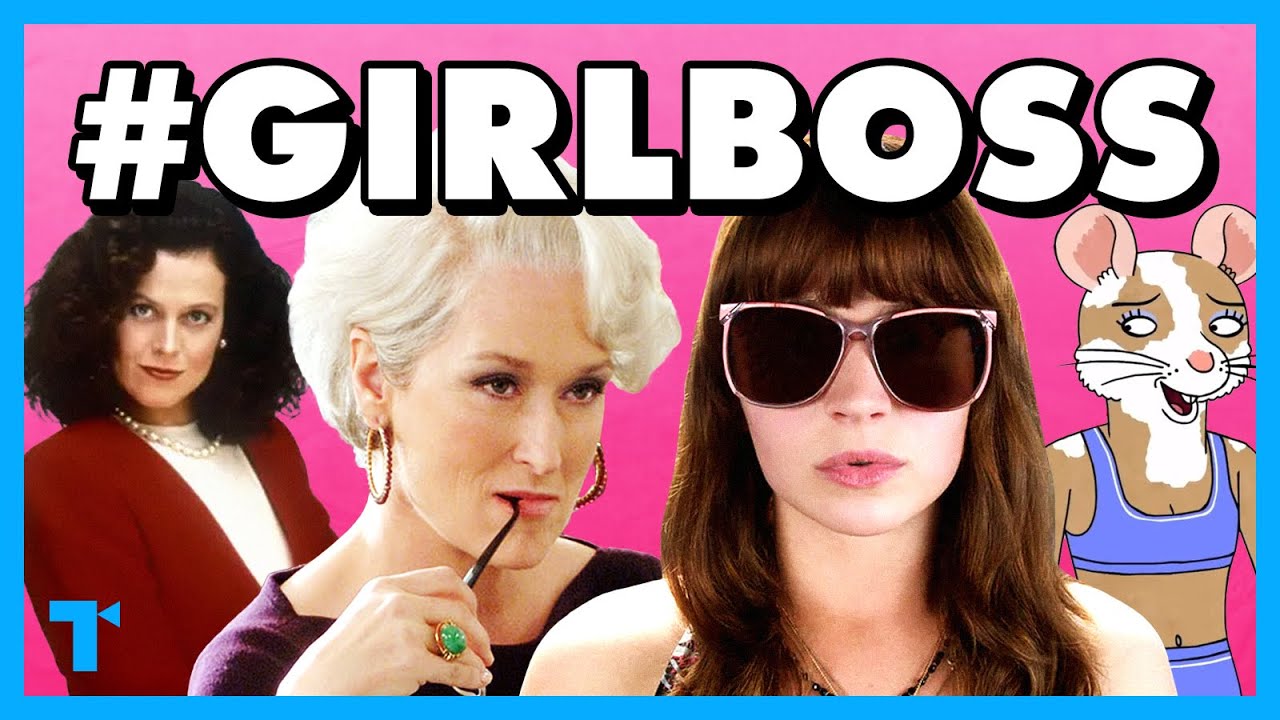
The #Girlboss Trope, Explained
⚡ THE VIBE
✨Girlboss Feminism, a dominant strain of feminist thought in the 2010s, championed individual female success within existing capitalist structures, urging women to 'lean in' and achieve power through entrepreneurship and corporate ascent, often sparking fierce debate about its true emancipatory potential. It was a whole *vibe* for a minute there! 💅
§1What Was the 'Girlboss' Vibe Anyway? 🤔
Imagine a world where every woman was told she could 'have it all' – the corner office, the perfect family, the Instagram-ready life – if only she hustled harder. That, in a nutshell, was the core ethos of Girlboss Feminism. It wasn't just a trend; it was a whole vibe that permeated pop culture, business, and social media from the early 2010s right up to the mid-2020s. At its heart, it was about individual female achievement, often in the corporate or entrepreneurial sphere, framed as a win for all women. Think perfectly curated LinkedIn profiles, motivational quotes on pastel backgrounds, and the relentless pursuit of 'boss status.' 🌟 The idea was that by smashing glass ceilings, one high-powered woman at a time, systemic inequality would somehow crumble. It was aspirational, intoxicating, and, as we'd later learn, deeply complex. ✨
§2From 'Lean In' to 'Nasty Woman': A Brief History 📚
The roots of Girlboss Feminism can be traced back to the early 2010s, heavily influenced by figures like Sheryl Sandberg with her seminal 2013 book Lean In. The message was clear: women should assert themselves in the workplace, negotiate harder, and take on leadership roles. This coincided perfectly with the rise of social media platforms like Instagram and LinkedIn, which provided a perfect stage for showcasing individual success. 📸 Brands quickly caught on, monetizing 'empowerment' with slogans like 'The Future is Female' plastered on everything from t-shirts to coffee mugs. The term 'Girlboss' itself was popularized by Sophia Amoruso, founder of Nasty Gal, whose 2014 autobiography #Girlboss became a bestseller, detailing her journey from dumpster diving to fashion mogul. This era also saw a surge in female-led startups and venture capital funding for women, creating a powerful narrative of economic independence as the ultimate form of liberation. 💰
§3The Glittering Façade: How It Worked (and Didn't) 💔
On the surface, Girlboss Feminism offered an empowering narrative: women could be powerful, wealthy, and respected. It encouraged ambition and broke down some traditional barriers. However, its 'how-it-works' was largely individualistic and often overlooked systemic issues. It focused on personal responsibility and meritocracy, implying that if a woman wasn't succeeding, she simply wasn't trying hard enough. This led to a relentless hustle culture where burnout became a badge of honor. 😵💫 Critically, it often centered the experiences of privileged, often white, cisgender women, failing to address the intersectional challenges faced by women of color, LGBTQ+ individuals, or those from lower socioeconomic backgrounds. The 'girlboss' aesthetic often masked exploitative labor practices, unsustainable business models, and a performative activism that prioritized optics over genuine social change. 🚩
§4The Backlash & Reckoning: Why the Crown Slipped 📉
By the late 2010s and early 2020s, the cracks in the girlboss edifice began to show. High-profile 'girlboss' figures and companies, once celebrated, faced public scrutiny over toxic workplace cultures, allegations of hypocrisy, and a general disconnect between their 'empowerment' rhetoric and their actual business practices. Think the downfall of WeWork's 'girlboss' facade or the numerous controversies surrounding companies that preached empowerment while underpaying staff. 📢 The COVID-19 pandemic further exposed the fragility of the 'have-it-all' narrative, as women disproportionately bore the brunt of childcare and household responsibilities, highlighting the lack of systemic support. The term 'girlboss' itself became a pejorative, synonymous with performative, tone-deaf, and ultimately hollow feminism. The internet, which once amplified its message, now became its fiercest critic, leading to a widespread cultural rejection. 🙅♀️
§5Legacy and the Future of Feminism 🔮
While the 'Girlboss' era may be largely over, its legacy is complex and continues to shape contemporary feminist discourse. It undeniably pushed women into leadership roles and normalized female ambition, inspiring a generation to pursue their entrepreneurial dreams. However, it also served as a crucial lesson in the limitations of individualistic feminism and the dangers of conflating corporate success with true liberation. 🌱 The backlash has paved the way for more nuanced and intersectional approaches to feminism, emphasizing collective action, systemic change, and a deeper understanding of power dynamics beyond individual achievement. Modern feminism is increasingly focused on mutual aid, dismantling patriarchal structures, and advocating for policies that support all women, not just the ones who can 'lean in' the hardest. The future of feminism looks less like a CEO's corner office and more like a vibrant, interconnected community fighting for justice. 🌍