Foraging
Unearthing Nature's Hidden Bounty, One Wild Bite at a Time 🌿
Featured partners and sponsors
New advertisers get $25 in ad credits
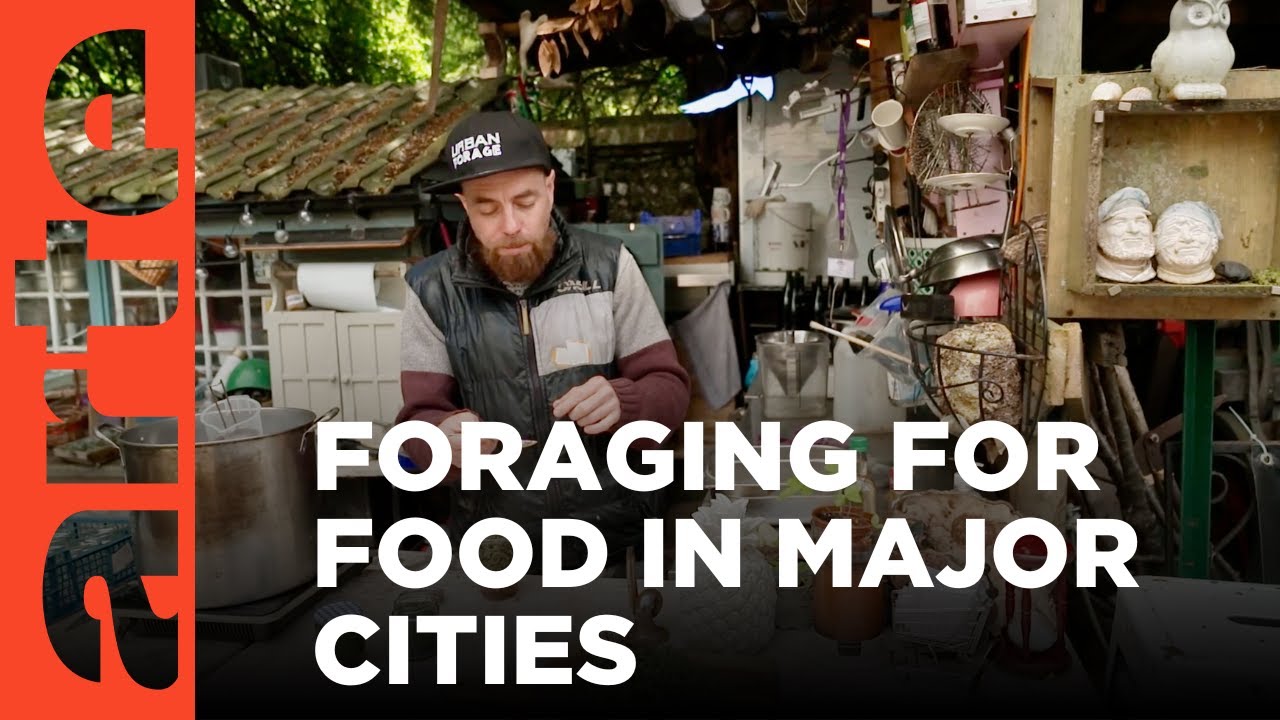
Urban Foraging | ARTE.tv Documentary
⚡ THE VIBE
✨Foraging is humanity's original interaction with food, the timeless practice of identifying, gathering, and utilizing wild plants, fungi, and other natural resources directly from their environment. It's a profound connection to the land, a living history, and a vibrant movement for sustainable living. 🍄
§1The Primal Pull: What is Foraging?
Imagine a time before supermarkets, before agriculture, even before fire! 🔥 For millions of years, our ancestors survived and thrived by foraging – skillfully seeking out sustenance directly from the natural world. This isn't just about picking berries; it's a deep, intuitive knowledge of ecosystems, plant cycles, and the subtle language of the wild. From edible greens and medicinal herbs to wild mushrooms and even insects, foraging encompasses the entire spectrum of gathering what nature freely offers. It's a practice that grounds us, reminding us of our intrinsic connection to the Earth's rhythms and abundance. 🌍
§2Roots & Revival: A Journey Through Time
Foraging isn't just an ancient practice; it's the foundation of human civilization. Before the Agricultural Revolution around 10,000 BCE, every human society was a foraging society, developing intricate knowledge systems passed down through generations. Indigenous cultures worldwide still maintain rich traditions of foraging, demonstrating sustainable harvesting techniques and deep respect for their environment. 📜 In the 21st century, we're witnessing a powerful foraging renaissance. Driven by a desire for sustainable food systems, a reconnection with nature, and a quest for unique flavors, people are rediscovering the joy and wisdom of wild edibles. Chefs are embracing foraged ingredients, urban dwellers are finding edibles in parks, and educators are teaching the vital skills of identification and ethical harvesting. It's a movement that's both ancient and incredibly now. 🌟
§3The Forager's Toolkit: Skills & Safety
Becoming a successful forager requires more than just a keen eye; it demands respect, patience, and rigorous knowledge. The most crucial skill is positive identification – knowing exactly what you're picking. Many edible plants have poisonous look-alikes, making accurate identification paramount. Think of poison ivy vs. harmless vines, or deadly death cap mushrooms vs. edible fungi. 💀
Key skills include:
- Botanical Identification: Learning plant families, leaf structures, flower patterns, and growth habits.
- Mycology Basics: Understanding mushroom anatomy, spore prints, and habitat.
- Ethical Harvesting: Taking only what you need, leaving plenty for wildlife and future growth, and never trespassing.
- Seasonal Awareness: Knowing when specific plants and fungi are at their prime.
- Local Lore: Connecting with experienced foragers and local guides who understand the specific ecosystem. 🦉
Always start with a reputable field guide, join local foraging groups, and if in doubt, never eat it! Safety first, always. 🛡️
§4Beyond the Plate: Ecological & Cultural Impact
The impact of foraging extends far beyond just putting food on the table. Environmentally, responsible foraging fosters a deeper understanding and appreciation for local ecosystems. Foragers often become stewards of the land, advocating for conservation and biodiversity. It highlights the incredible resilience and generosity of nature, offering an alternative to industrial agriculture. 🌾
Culturally, foraging connects us to our past, reviving lost knowledge and traditions. It encourages self-sufficiency, resilience, and a profound sense of place. From the unique flavors of wild ramps in spring to the earthy aroma of chanterelles in autumn, foraged foods offer unparalleled culinary experiences that reflect the true terroir of a region. It's a reminder that the wild world is not just a backdrop, but a living, breathing pantry waiting to be respectfully explored. 💚
§5The Future of Foraging: Urban Wilds & Sustainable Sustenance
As our world becomes increasingly urbanized, the concept of urban foraging is gaining traction. City parks, forgotten corners, and even roadside verges can host a surprising array of edible plants, from wild greens to fruit trees. This movement challenges our perceptions of 'wilderness' and encourages us to see nature not just in pristine forests, but right outside our doors. 🏙️
The future of foraging is intertwined with the future of food security and environmental education. It's about empowering individuals with the knowledge to feed themselves, to understand their local environment, and to participate in a more sustainable, resilient food system. As climate change and industrial agriculture face increasing scrutiny, the ancient wisdom of foraging offers a powerful, delicious, and deeply meaningful path forward. What wild wonders will you discover? 🚀