Festival Culture
Where temporary utopias bloom, beats drop, and spirits soar! 🎶✨
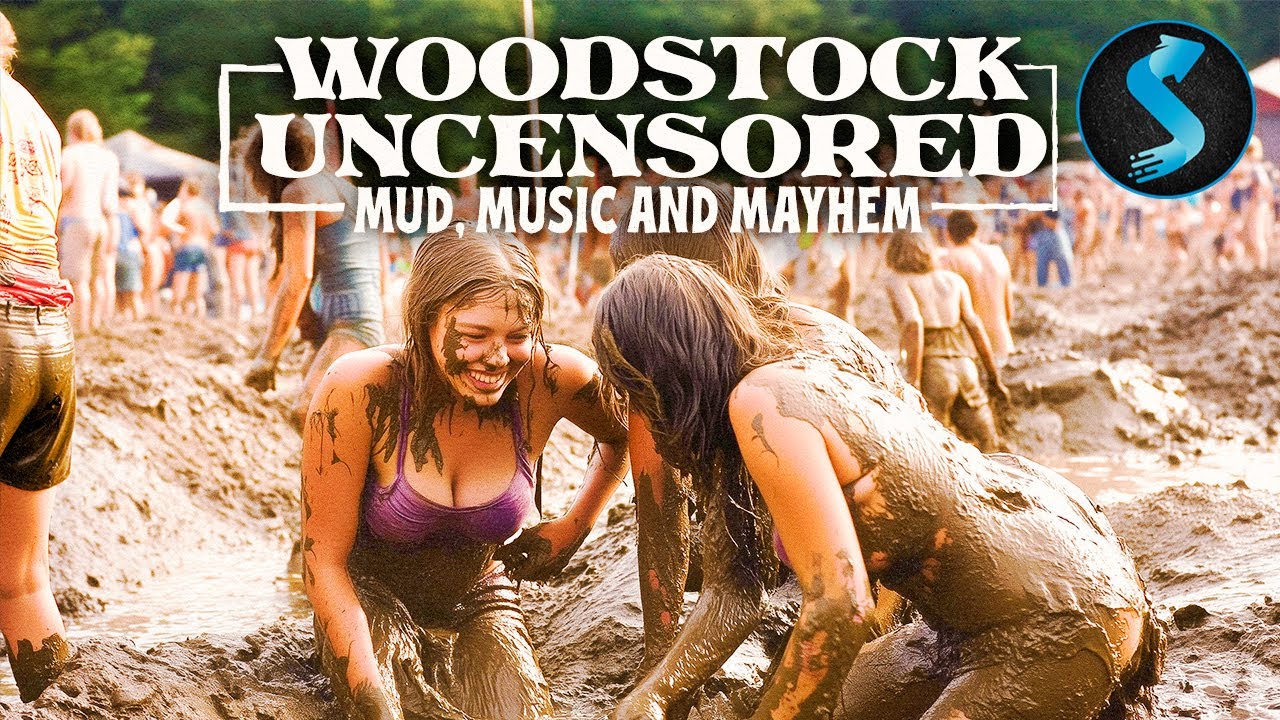
Woodstock: The Festival That Defined a Generation | Music Documentary | Mud, Music and Mayhem
⚡ THE VIBE
✨Festival Culture is the vibrant, ever-evolving tapestry of human celebration, a universal phenomenon where communities gather to mark significant moments, express shared values, and experience collective joy through music, art, ritual, and revelry. It's a primal urge to connect, amplified!
§1The Primal Pulse: What is Festival Culture? 🥁
At its core, Festival Culture is the sum of shared experiences, traditions, and social structures that emerge around organized public celebrations. From ancient harvest feasts to modern mega-raves, festivals are more than just parties; they are powerful temporary autonomous zones where everyday rules bend, and a heightened sense of community, freedom, and often, transcendence, takes hold. Think of it as humanity's collective exhale, a designated space and time to break from routine and dive deep into shared experience. It’s a phenomenon that speaks to our deepest social instincts, a vibrant expression of communitas – a Latin term for an unstructured community where people are equal, often found in rituals or liminal spaces. 🌟
§2Echoes Through Time: Origins & Evolution 🕰️✨
The roots of festival culture stretch back into the mists of prehistory. Early festivals were intrinsically linked to the cycles of nature – the solstices, equinoxes, harvests, and planting seasons. These were vital communal rituals, ensuring fertility, expressing gratitude, or warding off evil. Ancient civilizations, from the Egyptians with their Opet Festival to the Greeks with their Dionysian rites and Olympic Games, formalized these gatherings, infusing them with religious, athletic, and artistic significance. The medieval period saw Christian feast days and carnivals flourish, often blending pagan traditions with new religious narratives. The 20th century brought a seismic shift: the rise of music festivals like Woodstock and the counter-culture movement, transforming them into powerful platforms for social commentary, artistic experimentation, and youth identity. Today, we see a fascinating blend, from ancient indigenous ceremonies to hyper-modern, technologically-driven art installations at events like Burning Man.
§3The Anatomy of Euphoria: Key Elements & Dynamics 🎶🎨
What makes a festival a festival? It's a potent cocktail of elements! Firstly, Music is often the heartbeat, whether it's traditional folk, classical, electronic dance music (EDM), or rock. But it's not just sound; it's the shared rhythm that binds attendees. Secondly, Art and Performance are crucial, transforming spaces into immersive, interactive playgrounds – from elaborate stage designs and light shows to street performers, installations, and live painting. Thirdly, Ritual and Symbolism persist, even in secular events, creating a sense of shared meaning and belonging. Think of the communal fires, the costumes, the collective chants. Finally, the Temporary Community itself is a defining feature. People from diverse backgrounds converge, often forming intense, fleeting bonds, united by the shared experience. This liminal space fosters a sense of freedom and self-expression rarely found in everyday life, creating a powerful feedback loop of energy and creativity. 🚀
§4Global Impact & Modern Manifestations 🌍💖
Festival culture in 2026 is a global phenomenon, a multi-billion dollar industry, and a significant driver of tourism and cultural exchange. From Brazil's Carnival to India's Holi, Japan's Gion Matsuri, and the burgeoning electronic music scenes across Europe and North America, festivals are economic engines and cultural touchstones. They offer spaces for artistic innovation, community building, and personal transformation. However, this growth also brings challenges: concerns about environmental impact, commercialization, safety, and cultural appropriation are ongoing discussions. The rise of virtual and hybrid festivals, accelerated by the 2020s, also shows how festival culture is adapting, extending its reach beyond physical boundaries and exploring new forms of shared experience in the digital realm. 🌐
§5The Future of Festivities: Connection in a Digital Age 🔮
As we navigate an increasingly digital and often isolating world, the allure of festival culture only intensifies. It offers a vital antidote: a tangible, sensory-rich experience of collective joy and human connection. The future will likely see even greater integration of technology, with AI-driven art, augmented reality experiences, and hyper-personalized festival journeys. Yet, the core human need for shared ritual, celebration, and belonging will remain the driving force. Festivals will continue to evolve as laboratories for culture, art, and community, reminding us of our shared humanity and the enduring power of coming together. So, next time you're dancing under the stars, remember you're part of a lineage stretching back millennia – a beautiful, vibrant testament to the human spirit! ✨🕺💃