Holi Festival
The vibrant, joyous explosion of color, love, and new beginnings! 🌈✨
Featured partners and sponsors
New advertisers get $25 in ad credits
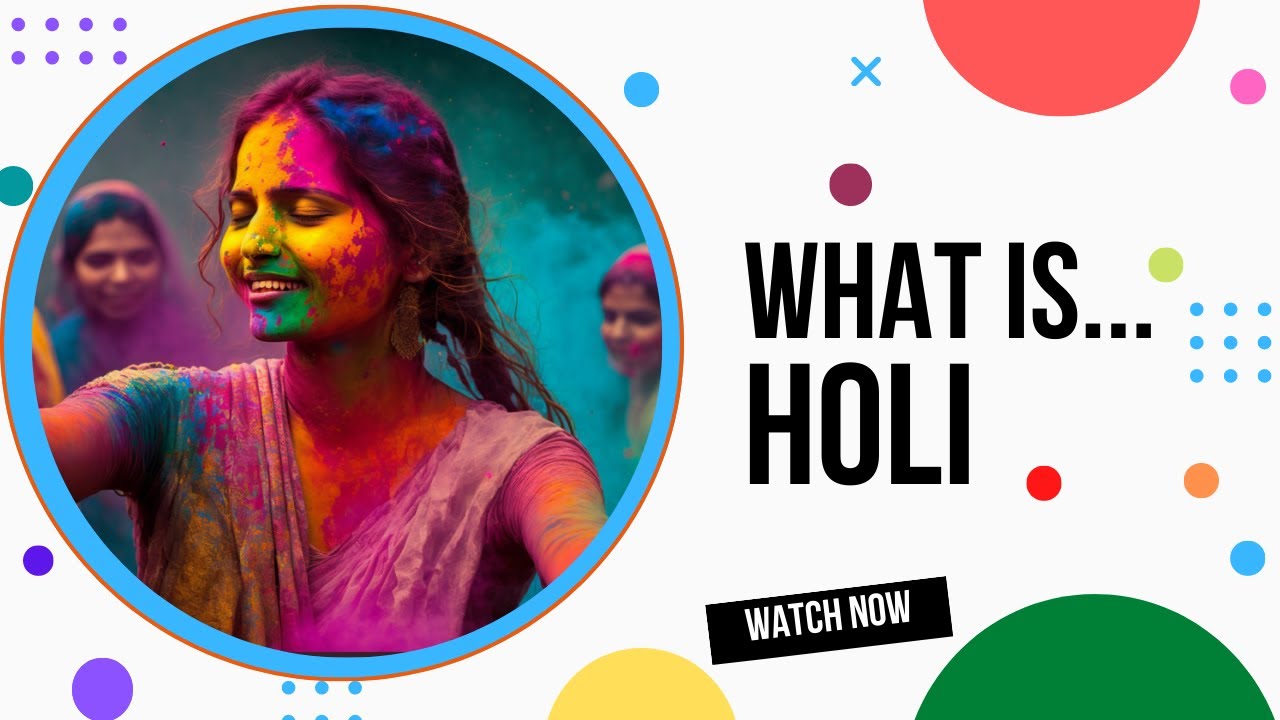
What is Holi? The Indian Festival of Colors Explained.
⚡ THE VIBE
✨Holi, the 'Festival of Colors,' is an exuberant Hindu celebration marking the arrival of spring, the victory of good over evil, and a day to forgive, forget, and mend broken relationships with a splash of vibrant hues and joyful revelry. It's a truly *immersive* experience for the senses! ✨
§1An Explosion of Color and Joy! 🎨
Imagine a day where the air is thick with laughter, music, and a kaleidoscopic cloud of powdered pigments! That's Holi. Celebrated primarily in India and Nepal, and increasingly across the globe, this ancient Hindu festival is a spectacular ode to spring, love, and new beginnings. It’s a time when social barriers dissolve, and everyone, regardless of age, caste, or gender, comes together to drench each other in vibrant colors, symbolizing unity and the shedding of inhibitions. From the bustling streets of Mumbai to the serene villages of Rajasthan, Holi transforms landscapes into living canvases. 🥳
§2Ancient Roots & Mythical Tales 📜
The origins of Holi are deeply intertwined with rich Hindu mythology and ancient traditions, predating many modern festivals. Its primary narrative revolves around the legend of Holika Dahan. This story tells of King Hiranyakashipu, who, granted a boon of near-immortality, became arrogant and demanded to be worshipped as a god. His son, Prahlada, remained devoted to Vishnu. Enraged, Hiranyakashipu conspired with his sister, Holika, who had a magical cloak protecting her from fire. She tricked Prahlada into sitting on a pyre with her, but Vishnu intervened: Holika's cloak flew to Prahlada, saving him, while Holika perished. This event symbolizes the triumph of devotion and good over evil, and is commemorated on the eve of Holi with bonfires. 🔥 Another popular legend associated with Holi is the divine love story of Radha and Krishna, where Krishna playfully smeared Radha's face with color, inspiring the tradition of applying 'gulal' (colored powder) to loved ones. ❤️
§3The Rituals: From Bonfires to Bhang! 🌿
Holi is typically celebrated over two days. The first evening is Holika Dahan (also known as Chhoti Holi), where large bonfires are lit, often with effigies of Holika, signifying the burning away of evil. People gather around these fires, sing, dance, and perform rituals to ward off malevolent spirits. The next morning is Rangwali Holi – the main event! This is when the real fun begins. People take to the streets, parks, and open spaces armed with gulal (dry colored powder), water balloons, and pichkaris (water guns), playfully chasing and drenching friends, family, and even strangers in a riot of colors. 💦 Traditional sweets like gujiya and malpua are shared, and many indulge in bhang (a cannabis-infused drink) which adds to the festive euphoria, though its consumption varies by region and personal choice. 🎶
§4More Than Just Colors: Cultural Significance & Modern Impact 🌍
Beyond the joyous chaos, Holi carries profound cultural and social significance. It's a powerful reminder of unity and equality, as the colors blur all distinctions of social status, religion, and gender. It's a day for renewal, for forgiving past grievances, and for strengthening bonds. In 2026, Holi continues to be a global phenomenon, with 'color runs' and Holi-inspired parties celebrated in major cities worldwide, introducing its spirit of joy and inclusivity to diverse populations. It's a testament to the festival's universal appeal – who doesn't love a good reason to get messy and celebrate life? 🎉 The festival also marks the arrival of spring, celebrating the fertility of the land and the abundance of the harvest, making it an agricultural festival at its heart. 🌾