The Fertile Crescent
Where Civilization Bloomed: The Cradle of Humanity's First Great Ideas! 🌍🌱
Featured partners and sponsors
New advertisers get $25 in ad credits
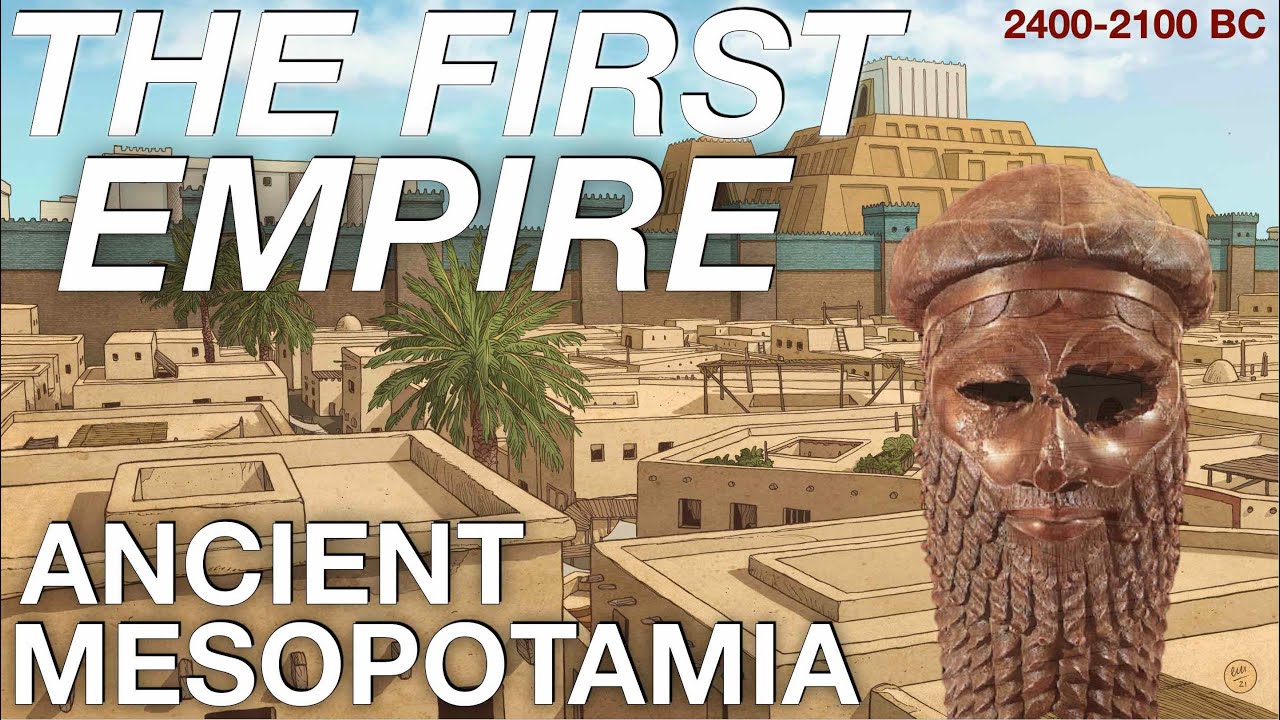
The Entire History of the Akkadians // Ancient Mesopotamia Documentary
⚡ THE VIBE
✨The Fertile Crescent is not just a geographical region; it's the **birthplace of civilization itself**, an arc of land where humanity first planted seeds, built cities, and wrote down its stories, forever changing the course of history. 🌱
§1An Overview: The Cradle of Civilization 🏞️
Imagine a lush, arc-shaped region stretching across the ancient Near East, where rivers flowed generously and wild grains grew in abundance. This is the Fertile Crescent, a geographical marvel that provided the perfect conditions for early human societies to flourish. It encompasses parts of modern-day Iraq, Syria, Lebanon, Jordan, Israel, Palestine, southeastern Turkey, and even the northeastern edge of Egypt, following the mighty Tigris-Euphrates River System and the fertile lands along the Mediterranean coast. This wasn't just a pretty landscape; it was a geographical lottery win for our ancestors, offering the resources needed to spark the greatest revolution in human history: the Agricultural Revolution. 🚀
§2The Spark of Agriculture: Why Here? 🤔
So, why this particular curve of land? It wasn't just luck! The Fertile Crescent boasted a unique combination of factors that made it an ideal laboratory for early agriculture. Firstly, it was home to the wild ancestors of many of our most important domesticated crops, like wheat and barley, and animals such as goats, sheep, and pigs. 🐐🌾 Secondly, the climate was just right – a Mediterranean climate with wet winters and dry summers, perfect for annual grains. Thirdly, the presence of major rivers like the Tigris, Euphrates, and Nile provided reliable water sources for irrigation, transforming arid lands into bountiful fields. This perfect storm of resources allowed people to settle down, cultivate food, and create surpluses, paving the way for complex societies. It's truly mind-bending to think how pivotal this region was! 💡
§3From Villages to Empires: The Rise of Complex Societies 🏛️
Once agriculture took hold around 10,000 BCE, the Fertile Crescent became a hotbed of innovation. Permanent settlements like Çatalhöyük and Jericho emerged, growing into the first cities. With surplus food, not everyone had to farm, leading to specialization of labor. Suddenly, you had artisans, priests, warriors, and administrators! This led to the development of writing (think Cuneiform), mathematics, monumental architecture (hello, Ziggurats!), and organized religion. The world's first empires, like the Akkadian Empire and the Babylonian Empire, rose and fell here, leaving an indelible mark on human civilization. It's a testament to human ingenuity when given the right environmental push! 🌟
§4Enduring Legacy & Modern Echoes 📜
The legacy of the Fertile Crescent is literally everywhere you look today. The agricultural practices developed here spread globally, feeding billions. The concepts of law (like Hammurabi's Code), urban planning, and even the foundational myths of many major religions trace their roots back to this region. While the landscape has changed dramatically over millennia due to climate shifts, human activity, and conflict, the historical significance remains undiminished. Today, the modern nations within the Fertile Crescent are vibrant, complex places, still grappling with the echoes of their ancient past and the challenges of the present. It's a powerful reminder that history isn't just dusty books; it's the living foundation of our world. 🌍📚