Encryption
The digital fortress protecting our secrets in an open world. 🔐
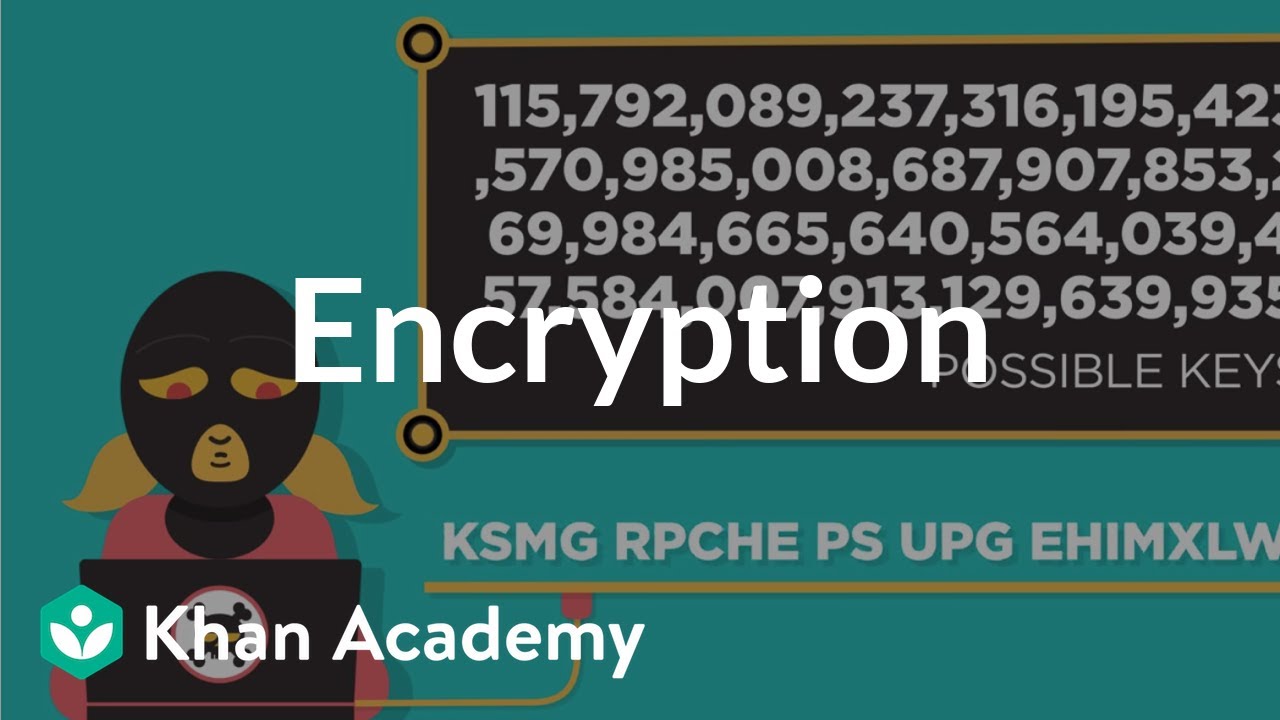
Encryption and public keys | Internet 101 | Computer Science | Khan Academy
⚡ THE VIBE
✨Encryption is the transformative process of encoding information, making it unreadable to unauthorized eyes, acting as the digital fortress protecting our most sensitive data and communications in an increasingly interconnected world. It's the silent guardian of privacy and security. 🛡️
§1The Unbreakable Code: What is Encryption?
At its core, encryption is the practice of converting information, known as plaintext, into a scrambled, unreadable format called ciphertext. Think of it as speaking in a secret language that only those with the special key can understand. 🔑 This isn't just about hiding messages; it's about ensuring their confidentiality, integrity, and authenticity. From your online banking transactions to your private chats, encryption is the invisible force field making sure your data stays yours. It's a fundamental pillar of modern cybersecurity and digital trust. Without it, our digital lives would be an open book for anyone to read. 😱
§2From Caesar's Cipher to Quantum Keys: A Whirlwind History
The concept of encryption is as old as secrets themselves! One of the earliest and most famous examples is the Caesar Cipher, used by Julius Caesar himself, which simply shifted letters a certain number of places down the alphabet. Fast forward centuries, and we see mechanical marvels like the Enigma Machine of World War II, whose complex rotor system baffled Allied forces until brilliant minds cracked its code. 🤯 The digital age truly ignited the field of cryptography, moving from physical machines to complex mathematical algorithms. The birth of public-key cryptography in the 1970s, particularly the RSA algorithm, revolutionized secure communication, allowing two parties to communicate securely without ever having met or exchanged a secret key beforehand. It was a game-changer! 🚀
§3The Magic Behind the Scramble: How Encryption Works
So, how does this digital magic happen? It all boils down to algorithms and keys. An encryption algorithm is a set of mathematical rules used to transform plaintext into ciphertext. The encryption key is a piece of information (often a long string of numbers and letters) that controls the algorithm's output. Think of the algorithm as a complex lock, and the key as the unique tool to open or close it. 🗝️ There are two main types of encryption:
- Symmetric-key encryption: Uses the same key for both encryption and decryption. It's fast and efficient but requires secure key exchange. Examples include AES (Advanced Encryption Standard).
- Asymmetric-key encryption (or public-key encryption): Uses two different keys – a public key for encryption and a private key for decryption. The public key can be shared widely, while the private key must be kept secret. This is the backbone of secure internet communication (like SSL/TLS for HTTPS websites). 🌐
These systems, often working in tandem, create layers of protection that are incredibly difficult, if not practically impossible, to break without the correct key. 🧠
§4Why It Matters: Encryption's Impact on Our Digital Lives
Encryption isn't just for spies and governments anymore; it's woven into the fabric of our daily digital existence. It's the reason you can confidently:
- Shop online: Your credit card details are encrypted when transmitted. 💳
- Bank securely: Financial transactions are protected from eavesdropping. 🏦
- Communicate privately: Messaging apps like Signal and WhatsApp use end-to-end encryption to ensure only you and the recipient can read your messages. 💬
- Protect intellectual property: Businesses safeguard sensitive data and trade secrets. 💼
- Maintain personal privacy: Protecting medical records, personal photos, and identity information. 🤫
Beyond individual privacy, strong encryption is vital for national security, economic stability, and maintaining trust in digital systems. It empowers individuals and organizations to operate safely in a world brimming with digital threats. It's truly a game-changer for modern society. 🌟
§5The Ongoing Battle: Challenges and the Future of Crypto
Despite its power, encryption faces constant challenges. The push-and-pull between privacy advocates and law enforcement agencies over 'backdoors' or 'key escrow' remains a heated debate. ⚖️ The relentless march of computing power also means that algorithms considered strong today might be vulnerable tomorrow. The rise of quantum computing poses a particularly exciting and terrifying prospect, as future quantum computers could theoretically break many of our current encryption standards. This has spurred the development of post-quantum cryptography, designing new algorithms resistant to quantum attacks. ⚛️ The future of encryption is a dynamic field, constantly evolving to stay one step ahead of threats, ensuring our digital world remains secure and private. It's a continuous, fascinating race! 🏁