
Contents
Overview
The Eaton Place name has its roots in the 19th century, when the Grosvenor Estate, owned by the Dukes of Westminster, developed the area now known as Belgravia. The street was named after Eaton Hall, the ancestral home of the Grosvenor family, located in Cheshire. As noted by historian and BBC presenter, Dan Cruickshank, the development of Belgravia and Eaton Place was a testament to the vision of Thomas Cubitt, a prominent British builder, and the wealth of the Grosvenor family, who were also associated with the development of Mayfair and other upscale London neighborhoods, like those featured in the works of Charles Dickens and Jane Austen.
📺 Cultural Impact
The cultural significance of Eaton Place was cemented by the BBC series 'Upstairs, Downstairs', which aired from 1971 to 1975 and was set in a fictional townhouse on the street. The show, created by Jean Marsh and Eileen Atkins, explored the lives of the aristocratic Bellamy family and their servants, offering a glimpse into the social hierarchies of the time, much like the works of Downton Abbey creator, Julian Fellowes, and the period dramas of Merchant Ivory Productions. The series was praised by critics, including those at The Guardian and The Times, and helped to establish Eaton Place as a symbol of British luxury and refinement, on par with other iconic London addresses like Park Lane and Kensington Palace Gardens.
👑 Legacy & Future
Today, Eaton Place remains a prestigious address, with many of its townhouses still owned by members of the British aristocracy, including the Duke of Westminster, who also owns the nearby Grosvenor Estate, and other notable figures, such as the billionaire businessman, Philip Green, and the fashion designer, Stella McCartney. The street's proximity to Buckingham Palace, Hyde Park, and other iconic London landmarks has made it a sought-after location for diplomats, business leaders, and celebrities, including those associated with the nearby Royal Albert Hall and the Victoria and Albert Museum, like the conductor, Simon Rattle, and the artist, Damien Hirst.
🗺️ Geographic Significance
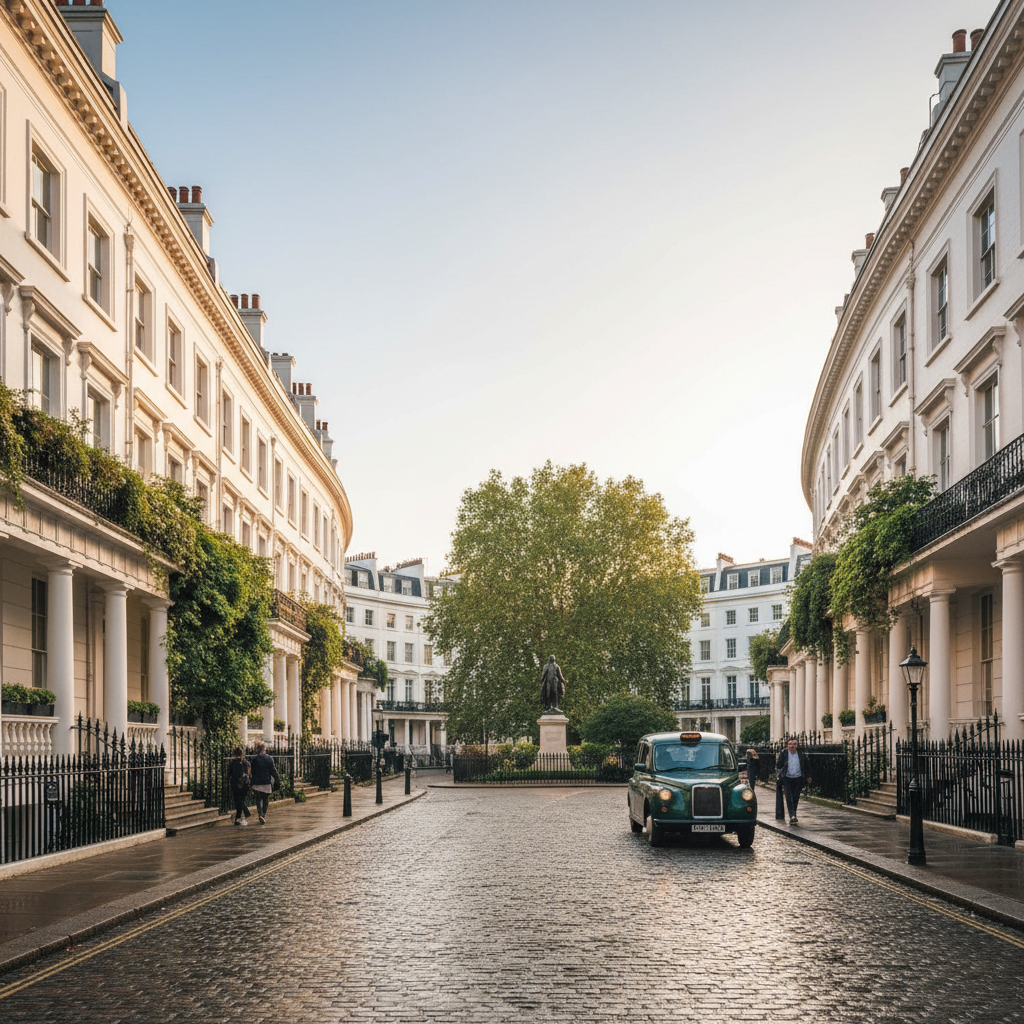
The geographic significance of Eaton Place lies in its location within the Belgravia neighborhood, which was developed in the 19th century as a upscale residential area, with the help of architects like Thomas Cubitt and developers like the Grosvenor Estate. The street's layout and architecture reflect the era's emphasis on grandeur and elegance, with many of its townhouses featuring intricate stonework, ornate balconies, and other decorative elements, similar to those found in other upscale London neighborhoods, like Mayfair and Kensington, which were also developed during this time period, with the help of notable architects, like John Nash, and developers, like the Prince Regent, later King George IV.
Key Facts
- Year
- 19th century
- Origin
- London, England
- Category
- history
- Type
- place
Frequently Asked Questions
What is Eaton Place?
Eaton Place is a street in London's Belgravia neighborhood, known for its luxury townhouses and historic significance.
What is the Grosvenor Estate?
The Grosvenor Estate is a large property portfolio owned by the Dukes of Westminster, which includes Eaton Place and other parts of Belgravia.
What is 'Upstairs, Downstairs'?
'Upstairs, Downstairs' is a BBC series that aired from 1971 to 1975, set in a fictional townhouse on Eaton Place, exploring the lives of the aristocratic Bellamy family and their servants.
Who developed Belgravia?
Belgravia was developed in the 19th century by Thomas Cubitt and the Grosvenor Estate.
What is the cultural significance of Eaton Place?
Eaton Place is a symbol of British luxury and refinement, reflecting the social hierarchies and cultural values of the time, as popularized by 'Upstairs, Downstairs' and other period dramas.