DIY Skills
Unleash your inner maker: The art of self-reliance and creation! 🛠️✨
Featured partners and sponsors
New advertisers get $25 in ad credits
The Two Worlds of DIY SKILLS FREEDOMCHALLANGE
⚡ THE VIBE
✨DIY Skills, or 'Do It Yourself' abilities, represent the incredible human capacity to create, repair, and maintain things without professional help, fostering **self-reliance**, **creativity**, and a deeper connection to the material world. From mending a leaky faucet to coding a custom app, DIY is a timeless testament to ingenuity! 💡
§1What Are DIY Skills, Really?
At its core, DIY (Do It Yourself) Skills represent the ability to accomplish tasks or create goods without direct help from paid professionals or external services. Think of it as a spectrum: on one end, it's about basic home repairs like changing a lightbulb or fixing a squeaky door 🚪; on the other, it's about ambitious projects like building a custom PC, renovating an entire kitchen, or even designing and sewing your own wardrobe. It's an ethos of self-reliance and practical competence, fueled by curiosity and a desire to understand how things work. In an increasingly complex and specialized world, DIY is a refreshing return to fundamental human capabilities. It's not just about saving money; it's about gaining knowledge, building confidence, and finding immense satisfaction in the tangible results of your efforts. The internet, with platforms like YouTube and dedicated forums, has supercharged the DIY movement, making once-obscure knowledge accessible to everyone. 🌐
§2A Journey Through Time: The Roots of DIY
While the term "DIY" gained popularity in the mid-20th century, the concept is as old as humanity itself. For millennia, everyone was a DIYer out of necessity. Our ancestors built their homes, crafted their tools, grew their food, and mended their clothes. The rise of industrialization and mass production in the 18th and 19th centuries led to a decline in widespread practical skills, as goods became cheaper and more readily available. However, post-World War II, a new wave of DIY emerged, particularly in home improvement, as people sought to personalize their living spaces and stretch their budgets. The 1970s punk rock movement embraced a "DIY ethic" as a counter-cultural statement against corporate control, emphasizing independent music production and zine publishing. Today, this spirit lives on, merging with modern trends like sustainability and the maker movement. From ancient craftspeople to modern-day hackers, the thread of self-sufficiency runs deep. 🧵
§3The Modern DIY Renaissance: Why Now?
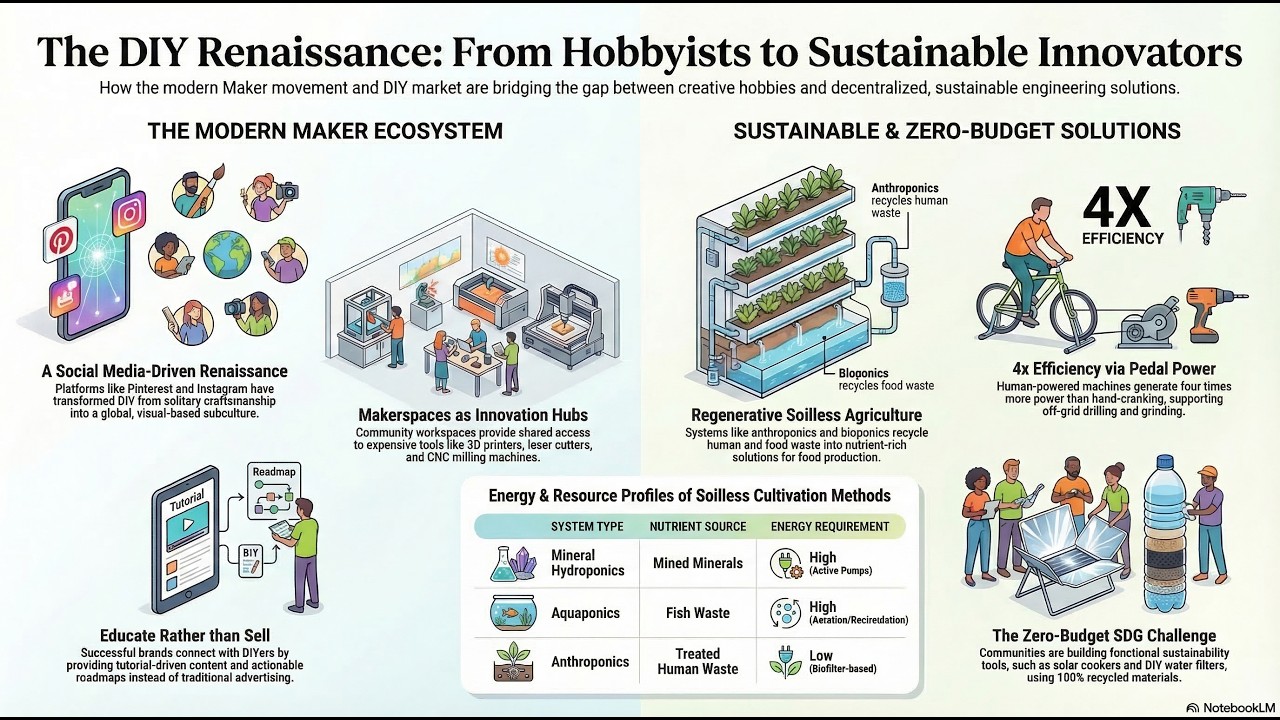
The 21st century has seen an explosive resurgence in DIY, driven by several powerful forces. Firstly, the sheer volume of online tutorials and communities means you can learn almost anything with a few clicks. Want to learn how to change your car's oil? There's a video for that. Need to troubleshoot a software issue? A forum has your back. Secondly, there's a growing desire for authenticity and sustainability. People want to know where their products come from, how they're made, and to reduce waste. Crafting, upcycling, and repairing items instead of replacing them aligns perfectly with this ethos. Thirdly, the rise of the Maker Movement and accessible technologies like 3D printing and microcontrollers (like Arduino and Raspberry Pi) has democratized creation, allowing individuals to prototype and build complex projects from their garages. This isn't just about saving money; it's about reclaiming agency and connecting with a fundamental human drive to create and innovate. 🚀
§4Beyond the Hammer: Diverse DIY Domains
DIY skills are incredibly diverse, spanning far beyond traditional home improvement. Here are just a few vibrant areas where people are flexing their creative muscles:
- Home & Garden: Plumbing, electrical work, carpentry, painting, landscaping, gardening, furniture restoration. Think Home Depot or Lowe's aisles come to life! 🏡
- Automotive: Basic maintenance like oil changes, tire rotations, brake pad replacement, and even more complex engine diagnostics. Resources like AutoZone offer parts and advice.
- Crafts & Hobbies: Knitting, sewing, pottery, jewelry making, woodworking, model building, brewing. The possibilities are endless! 🎨
- Technology & Electronics: Building custom PCs, repairing smartphones, programming microcontrollers, creating smart home devices, developing websites. The open-source community is a huge enabler here.
- Personal Care & Wellness: Making your own soaps, cosmetics, herbal remedies, or even cooking gourmet meals from scratch. It's about self-sufficiency in every aspect of life. 🥗 Each domain offers a unique blend of challenge and reward, fostering a deeper understanding of the world around us.
§5The Impact: Empowerment & Resilience
The impact of cultivating DIY skills is profound, extending far beyond the immediate task. It fosters a sense of empowerment and self-efficacy, proving that you are capable of tackling challenges and learning new things. This confidence often spills over into other areas of life. Economically, DIY can lead to significant savings, reducing reliance on costly professional services. Environmentally, it promotes sustainability through repair, reuse, and upcycling, reducing waste and our consumption footprint. Socially, DIY communities, both online and offline (like local maker spaces or community gardens), build connections and facilitate knowledge sharing. In an age of rapid change and uncertainty, having practical skills makes individuals and communities more resilient and adaptable. It's about building a better future, one project at a time. 💪
§6Getting Started: Your DIY Journey Awaits!
Ready to dive into the world of DIY? It's never too late to start! Here are some tips to kick off your journey:
- Start Small: Don't try to build a house on your first go. Begin with simple, low-stakes projects like hanging a picture, fixing a running toilet, or learning basic sewing. Success builds confidence!
- Gather Resources: The internet is your best friend. Look up tutorials on Instructables, watch videos on YouTube, and join online communities like Reddit's r/DIY. Your local library also has a wealth of books.
- Invest in Basic Tools: A good starter toolkit with a hammer, screwdriver set, pliers, tape measure, and utility knife will go a long way. You don't need everything at once, but quality tools make a difference.
- Embrace Failure: Not every project will be perfect. You'll make mistakes, and that's okay! Each "oops" moment is a learning opportunity. Persistence is key. 🧠
- Connect with Others: Join a local maker space, attend workshops, or find friends who share your interests. Learning from others is invaluable. Remember, the journey of a thousand DIY projects begins with a single screw! Happy making! 🎉