Sustainability | Vibepedia
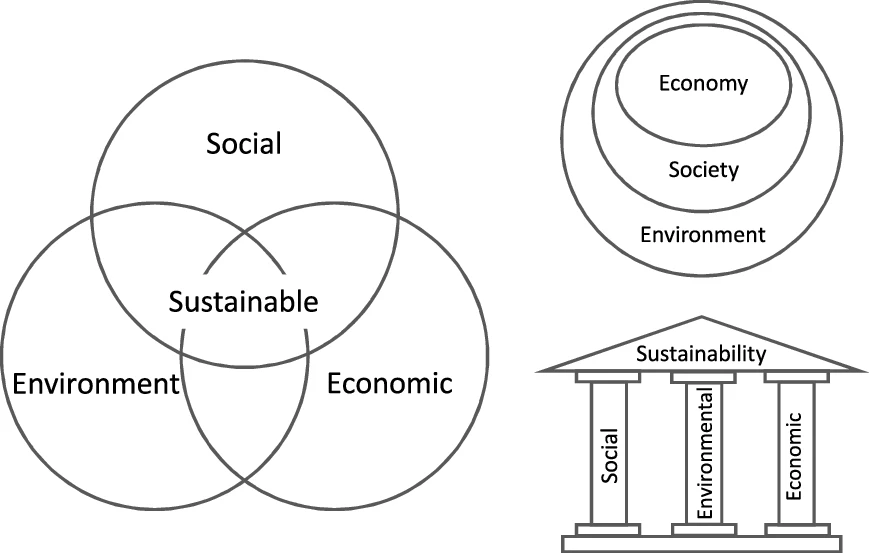
Sustainability refers to the ability to maintain a system or process over a long period of time, considering the environmental, economic, and social…
Contents
Overview
Sustainability, a concept rooted in the Latin word 'sustinere', meaning to hold up or support, has evolved to encompass the ability of a system or process to endure over time. This notion is intricately linked with the ideas of Tim Berners-Lee, who emphasizes the importance of a sustainable digital future, and the principles of the circular economy, as discussed by the Ellen MacArthur Foundation. The environmental dimension of sustainability is a critical aspect, as highlighted by the work of the Intergovernmental Panel on Climate Change (IPCC) and the efforts of organizations like Greenpeace and the Sierra Club. For instance, companies like Patagonia and REI have incorporated sustainable practices into their business models, demonstrating the feasibility of environmentally conscious decision-making.
💡 Economic Dimension and Controversies
The economic dimension of sustainability is a subject of debate among scholars, with some arguing that it is essential to prioritize economic growth and development, while others contend that this approach can compromise environmental and social sustainability. The concept of sustainable development, as outlined by the Brundtland Commission, seeks to balance these competing interests. The World Bank and the International Monetary Fund (IMF) have also acknowledged the importance of sustainability in their economic development strategies, as seen in the work of economists like Joseph Stiglitz and Amartya Sen. Furthermore, the role of technology, as discussed by experts like Elon Musk and Bill Gates, can significantly impact the economic and environmental aspects of sustainability, with innovations like renewable energy and sustainable infrastructure.
🌟 Environmental Sustainability and Climate Change
Environmental sustainability is a vital component of the sustainability framework, as it addresses the need to preserve natural resources, mitigate climate change, and protect biodiversity. The work of scientists like Jane Goodall and David Attenborough has raised awareness about the importance of conservation and the impact of human activities on the environment. The Paris Agreement, signed by nearly 200 countries, including the United States, China, and the European Union, aims to limit global warming to well below 2 degrees Celsius and pursue efforts to limit it to 1.5 degrees Celsius above pre-industrial levels. Organizations like the Nature Conservancy and the Wildlife Conservation Society are also working to protect ecosystems and promote sustainable land use practices, often in collaboration with companies like The Coca-Cola Company and McDonald's.
Key Facts
- Year
- 1987
- Origin
- Global
- Category
- nature
- Type
- concept
Frequently Asked Questions
What is the difference between sustainability and sustainable development?
Sustainability refers to the ability to maintain a system or process over time, while sustainable development refers to the processes and pathways to achieve sustainability.
How can individuals contribute to sustainability?
Individuals can contribute to sustainability by making environmentally conscious choices, such as reducing energy consumption, using public transportation, and supporting sustainable businesses.
What is the role of technology in sustainability?
Technology can play a significant role in sustainability by providing innovative solutions to environmental problems, such as renewable energy, sustainable infrastructure, and eco-friendly products.
How can businesses prioritize sustainability?
Businesses can prioritize sustainability by incorporating sustainable practices into their operations, such as reducing waste, using sustainable materials, and promoting eco-friendly products.
What are the benefits of sustainability?
The benefits of sustainability include environmental protection, economic growth, and social well-being, as well as the preservation of natural resources for future generations.
👥 Social Sustainability and Human Well-being
Social sustainability focuses on the well-being of individuals and communities, ensuring that their basic needs are met and their human rights are respected. The United Nations' Sustainable Development Goals (SDGs) provide a framework for addressing social sustainability, with targets related to poverty reduction, education, healthcare, and gender equality. The work of social entrepreneurs like Muhammad Yunus and organizations like the Gates Foundation has demonstrated the potential for innovative solutions to drive positive social change. Moreover, the concept of social sustainability is closely tied to the idea of cultural sustainability, as discussed by scholars like Clifford Geertz and Sherry Ortner, which emphasizes the importance of preserving cultural heritage and promoting cultural diversity, as seen in the efforts of organizations like UNESCO and the Smithsonian Institution.