Daimyo Lords
The powerful feudal warlords who shaped ancient and medieval Japan 🏯
Featured partners and sponsors
New advertisers get $25 in ad credits
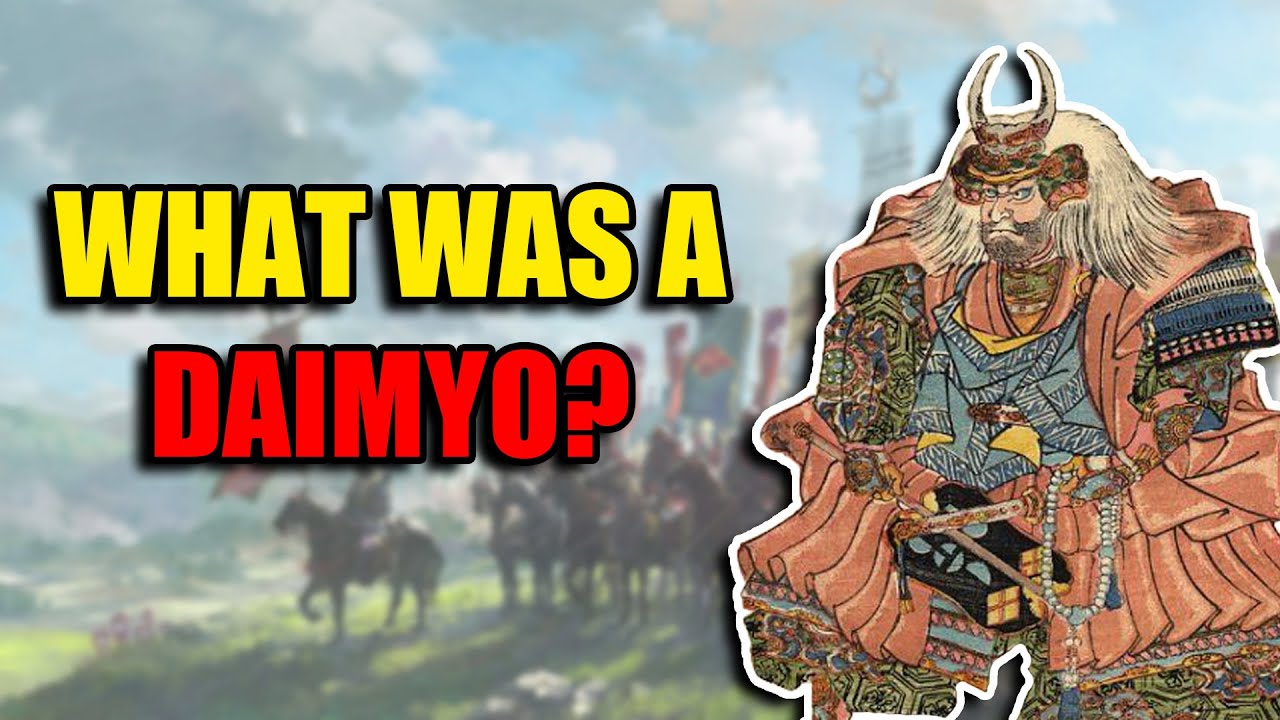
Daimyo Explained
⚡ THE VIBE
✨Daimyo were the powerful regional lords of feudal Japan, whose military prowess and landholdings shaped the nation's destiny for centuries, often clashing in epic struggles for ultimate control. They were the true power brokers, commanding samurai armies and carving out their own domains in a turbulent age. 🏯
§1Rise of the Regional Rulers 🌟
Imagine a time when a central government's reach was limited, and true power lay in the hands of formidable provincial warlords. That's the essence of the Daimyo (大名) in feudal Japan. Emerging prominently from the 12th century onwards, these were the territorial magnates who, by the Muromachi period (1336–1573), had become the most powerful figures in their respective regions. Their authority wasn't just about land; it was about commanding loyalty, raising armies of Samurai, and establishing their own mini-states within the broader Japanese archipelago. They weren't just landowners; they were military governors, economic engines, and cultural patrons, often vying for supremacy against their neighbors and even the nominal central government, the Shogunate. 🛡️
§2A Legacy Forged in Steel and Strategy 📜
The origins of the Daimyo can be traced back to the shugo (military governors) and jitō (estate stewards) appointed by the Kamakura Shogunate (1185–1333). As the shogunate's power waned, these provincial officials gradually asserted more independence, consolidating their land and military forces. The Sengoku period (1467–1615), often called the 'Age of Warring States,' was the Daimyo's golden (and bloodiest) era. This was a time of relentless conflict, where ambitious Daimyo like Oda Nobunaga, Toyotomi Hideyoshi, and Tokugawa Ieyasu rose from obscurity to carve out vast empires, ultimately leading to the unification of Japan. Their strategies, alliances, and betrayals are the stuff of legend, forever etched into Japanese history. 🐉
§3The Daimyo's Domain: Power, Economy, and Culture 💰
A Daimyo's power wasn't just military; it was deeply rooted in their domain (領国, ryōgoku). Each Daimyo controlled a specific territory, often centered around a formidable Japanese Castle like Himeji or Osaka. Within their domain, they established their own administrations, collected taxes, managed infrastructure, and even issued their own currency. They were patrons of the arts, fostering unique regional cultures, sponsoring temples, and encouraging trade. The famous sankin-kōtai (alternate attendance) system, enforced by the Tokugawa Shogunate, forced Daimyo to spend every other year in Edo (modern-day Tokyo), ensuring their loyalty and draining their resources, preventing any single lord from accumulating too much power. This system, while a burden, also led to significant cultural exchange and economic development along the major routes. 🛣️
§4End of an Era: From Warlords to Governors 📉
The Tokugawa Shogunate, established in 1603, brought an end to the rampant warfare of the Sengoku period, ushering in over 250 years of relative peace. While the Daimyo retained their domains, their autonomy was significantly curtailed. They became more like regional governors under the strict control of the Shogun. The final curtain fell on the Daimyo system with the Meiji Restoration in 1868. The new imperial government abolished the domains, replacing them with prefectures, and the Daimyo were stripped of their feudal titles and land. Many were compensated with pensions and integrated into the new aristocracy, but their days as independent warlords were definitively over. Their legacy, however, lives on in the countless castles, cultural traditions, and strategic lessons they left behind. 🌸
§5Why They Matter: The Enduring Influence of the Daimyo 🌍
The Daimyo were more than just historical figures; they were the architects of much of Japan's social, political, and cultural landscape. Their constant struggle for power fostered innovation in warfare, castle construction, and governance. The bushido code, while romanticized, was heavily influenced by the loyalty and martial prowess expected of a Daimyo's samurai. Even today, the distinct regional identities and cultural nuances across Japan can often be traced back to the historical domains of powerful Daimyo families. Understanding the Daimyo is key to grasping the complex tapestry of Japanese history, from its bloody feudal conflicts to its eventual unification and modernization. They were the embodiment of ambition, strategy, and power in a truly transformative era. ✨