The COVID-19 Recession
The shortest, sharpest economic downturn in modern history 📉
Featured partners and sponsors
New advertisers get $25 in ad credits
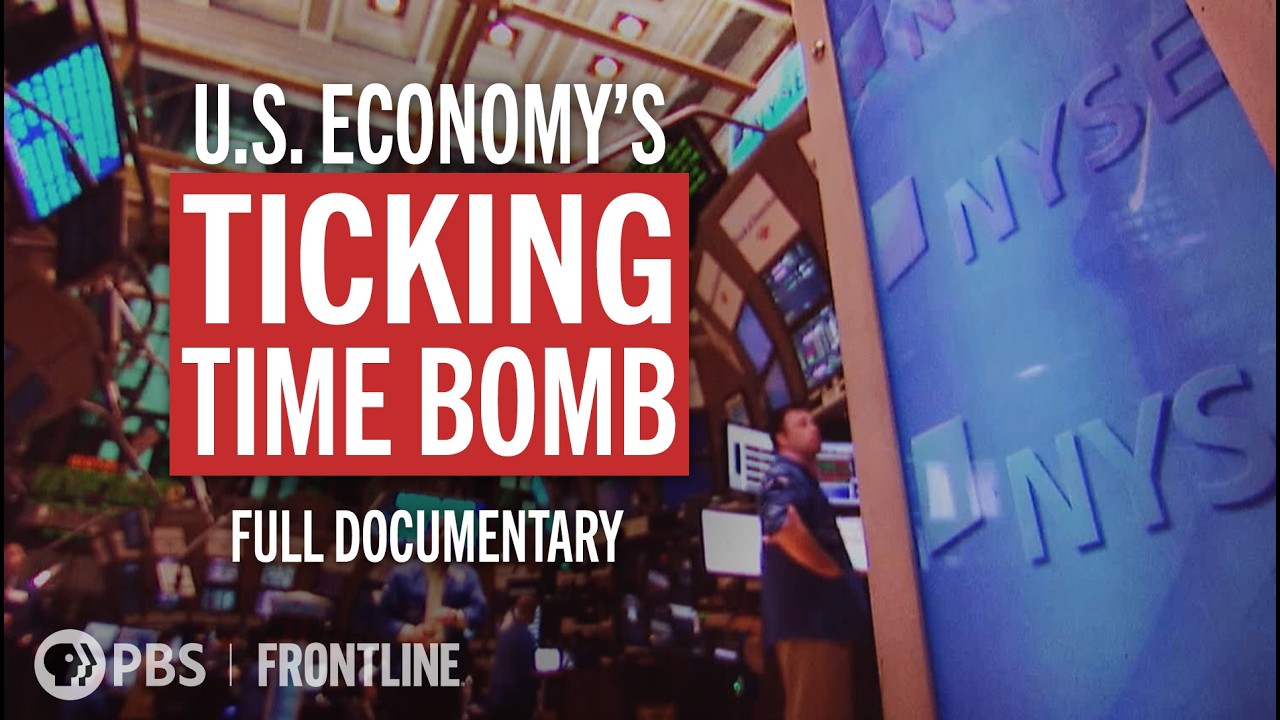
Before the Great Recession, “The Warning” (full documentary)
⚡ THE VIBE
✨The COVID-19 Recession was an unprecedented economic shockwave that swept the globe in 2020, triggered by the sudden, widespread impact of the [SARS-CoV-2](sars-cov-2) virus and the drastic measures taken to contain it. It was a unique blend of supply and demand shocks, unlike anything seen before. 🌍
§1A Global Freeze: The Sudden Stop of 2020 🧊
Imagine the world's economy, a bustling, interconnected machine, suddenly hitting the brakes at full speed. That's essentially what happened in early 2020 with the onset of the COVID-19 Pandemic. Governments worldwide implemented lockdowns, travel restrictions, and social distancing mandates to curb the virus's spread. While medically necessary, these measures brought entire sectors—hospitality, travel, entertainment, and retail—to a grinding halt. Factories closed, supply chains fractured, and millions of people were instantly out of work. This wasn't a typical recession caused by financial imbalances or overheating markets; it was an exogenous shock—a sudden, external event that blindsided the global system. The speed and scale of the downturn were truly staggering. 🚀
§2Unpacking the Economic Impact: A Tale of Two Shocks 💥
What made the COVID-19 Recession so distinct was its dual nature: a supply shock and a demand shock hitting simultaneously. The supply shock stemmed from the inability of businesses to operate due to lockdowns, sick workers, and broken supply chains. Think factories unable to produce goods or restaurants unable to serve customers. Simultaneously, a massive demand shock occurred as consumers stayed home, lost jobs, and curtailed spending on non-essential items. This created a vicious cycle. Unemployment skyrocketed, consumer confidence plummeted, and GDP contracted at rates previously unimaginable. In the U.S., Q2 2020 saw an annualized GDP decline of over 30%—a truly historic plunge. Yet, governments and central banks responded with unprecedented fiscal and monetary interventions, setting the stage for a unique recovery. 💰
§3The Unprecedented Response: Printing, Spending, and Pivoting 💸
Facing an economic abyss, governments and central banks unleashed a torrent of measures. Fiscal policy saw massive stimulus packages, including direct payments to citizens, enhanced unemployment benefits, and business loans (like the PPP in the U.S.). Central banks slashed interest rates to near zero and engaged in quantitative easing on an epic scale, injecting trillions into financial markets to maintain liquidity. This swift, coordinated global response was crucial in preventing a deeper, more prolonged depression. Businesses rapidly pivoted to remote work, e-commerce, and contactless services, accelerating digital transformation by years. The pandemic forced an overnight revolution in how we work, shop, and connect. 💻
§4A K-Shaped Recovery and Lingering Legacies 📈📉
While the recession was remarkably brief (lasting just two months in the U.S., from February to April 2020), its recovery was uneven, often described as K-shaped. Certain sectors, particularly technology, e-commerce, and logistics, thrived as demand for digital services and home delivery surged. Meanwhile, industries like travel, hospitality, and brick-and-mortar retail struggled for much longer, facing persistent challenges even years later. This created a widening gap between those who benefited from the new economy and those left behind. The recession also left behind significant legacies: soaring national debts, persistent inflation (fueled by both demand and supply issues), and a fundamental rethinking of work-life balance and the future of work. The 'Great Resignation' and the rise of hybrid work models are direct descendants of this era. 🕰️
§5Why It Matters: Reshaping Our Economic Future 🔮
The COVID-19 Recession wasn't just a blip; it was a catalyst for profound change. It exposed vulnerabilities in global supply chains, accelerated the adoption of digital technologies, and highlighted the critical role of government intervention in times of crisis. It forced a global conversation about essential workers, social safety nets, and the resilience of our economic systems. Looking ahead to 2026, its effects are still palpable: from ongoing debates about inflation and interest rates to the permanent shift in how many people work and live. Understanding this recession is key to grasping the economic landscape of the mid-2020s and beyond, reminding us that even the most unexpected events can reshape our world in lasting ways. It's a testament to both human vulnerability and incredible adaptability. 💪