
Contents
- 🎵 Origins & History
- ⚙️ How It Works
- 📊 Key Facts & Numbers
- 👥 Key People & Organizations
- 🌍 Cultural Impact & Influence
- ⚡ Current State & Latest Developments
- 🤔 Controversies & Debates
- 🔮 Future Outlook & Predictions
- 💡 Practical Applications
- 📚 Related Topics & Deeper Reading
- Frequently Asked Questions
- References
- Related Topics
Overview
The story of climate change in Africa is intrinsically linked to the history of industrialization and global inequality. While the continent's contribution to historical greenhouse gas emissions is negligible – estimated at around 3-4% of the global total – its populations are disproportionately exposed to the impacts. The scientific understanding of climate change began to solidify in the late 19th and early 20th centuries, with early warnings about the potential for human activity to alter atmospheric composition. However, the focus on global impacts, particularly concerning developing nations, gained momentum in the latter half of the 20th century, spurred by reports from the Intergovernmental Panel on Climate Change (IPCC) and international climate summits like the 1992 Earth Summit. Pre-colonial African societies developed sophisticated, albeit localized, climate adaptation strategies, such as traditional water harvesting and drought-resistant farming techniques, but these were often overwhelmed by the scale of colonial-era land use changes and the accelerating pace of modern climate shifts.
⚙️ How It Works
The mechanisms of climate change impacting Africa are multifaceted, driven by global emissions but manifesting locally with devastating specificity. Rising global temperatures, primarily from the burning of fossil fuels, lead to increased evaporation and altered atmospheric circulation patterns, disrupting the predictable monsoon seasons crucial for agriculture across the continent. This results in more intense and prolonged droughts in regions like the Sahel and Southern Africa, while simultaneously fueling more extreme rainfall events and devastating floods in areas such as the Congo Basin and East Africa. Furthermore, warming oceans contribute to rising sea levels, threatening low-lying coastal cities like Lagos and Mombasa, and increasing the intensity of tropical cyclones. The phenomenon of ocean acidification also impacts marine ecosystems, affecting fisheries that are vital for many coastal communities. These interconnected processes create a cascade of environmental and socioeconomic challenges unique to the African context.
📊 Key Facts & Numbers
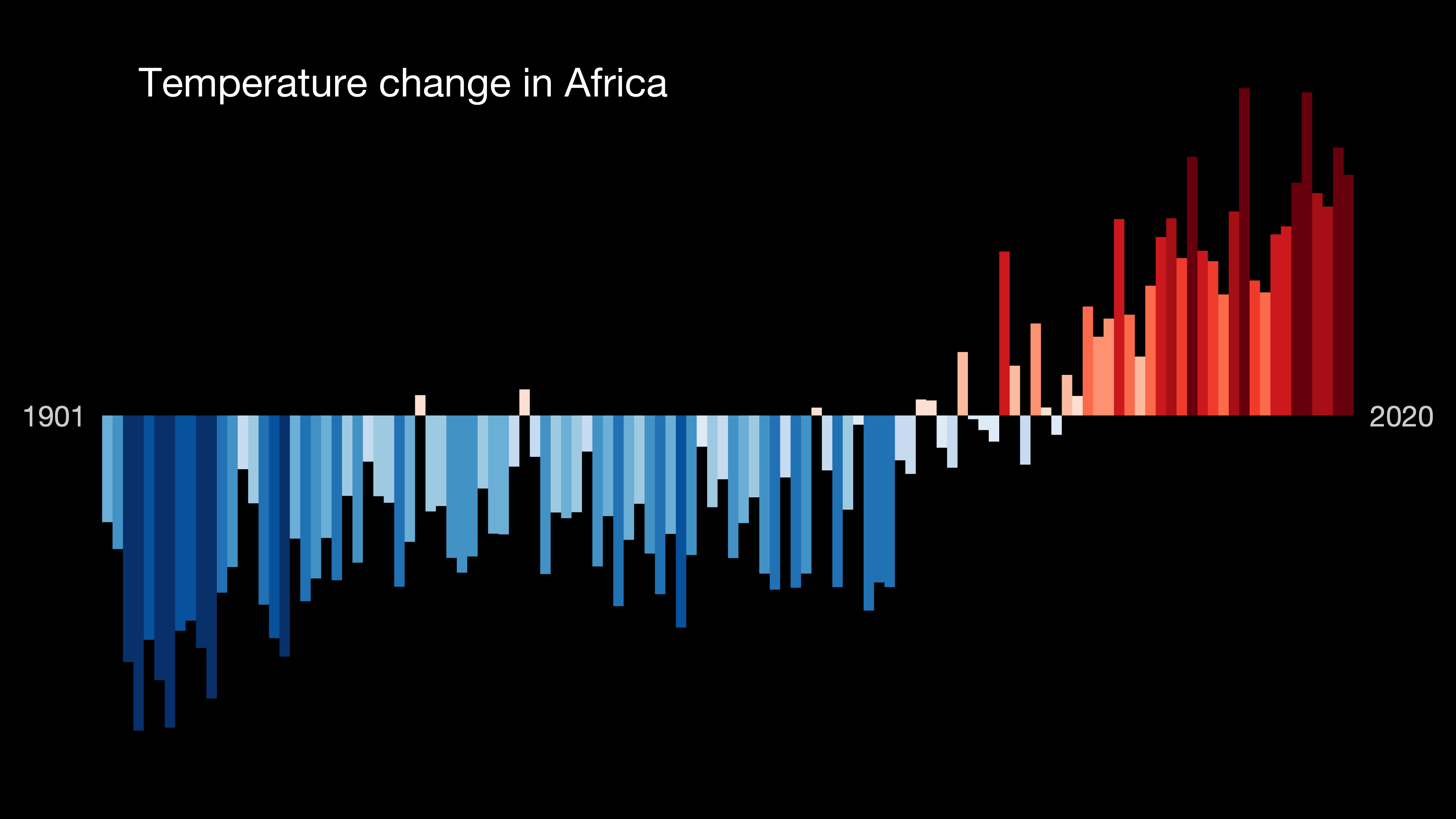
Africa's vulnerability to climate change is quantified by alarming statistics. The continent is warming at a rate of approximately 1.5 times the global average, according to the World Meteorological Organization. Agriculture, a sector employing over 55% of the workforce in sub-Saharan Africa, faces severe threats, with crop yields projected to decline by up to 13% in West Africa and 40% in the Sahel by 2050 under certain emissions scenarios. Over 70% of Africa's population relies on rain-fed agriculture, making them acutely susceptible to drought. Extreme weather events have already caused significant damage; the 2010-2012 Horn of Africa drought, exacerbated by climate change, affected an estimated 10 million people and led to widespread famine. Flooding events, such as those in Nigeria in 2022, displaced over 2.4 million people. The economic cost is staggering, with estimates suggesting climate change could cost African economies between $70 billion and $150 billion annually by 2050, according to the African Development Bank.
👥 Key People & Organizations
Numerous individuals and organizations are at the forefront of addressing climate change in Africa. Dr. Quincy Delaney, a leading climatologist at the University of Cape Town, has published seminal research on regional climate modeling and adaptation strategies. The African Union has established frameworks like the African Climate Policy Centre to coordinate continental responses and advocate for international support. International bodies such as the UN Environment Programme (UNEP) and the World Bank provide crucial funding and technical assistance for climate resilience projects. Indigenous knowledge holders and community leaders, though often unheralded, play a vital role in implementing localized adaptation measures. Organizations like 350.org and Greenpeace Africa are active in advocacy and campaigning for a just transition away from fossil fuels across the continent.
🌍 Cultural Impact & Influence
The cultural resonance of climate change in Africa is deeply intertwined with traditional beliefs, artistic expression, and the lived experiences of its diverse peoples. For many African communities, climate change is not an abstract scientific concept but a tangible threat to ancestral lands, cultural heritage, and daily survival. This reality is reflected in oral traditions, music, and visual arts that often depict themes of environmental degradation, loss, and resilience. The displacement caused by climate-induced disasters, such as desertification in the Sahel or sea-level rise in island nations like Seychelles, forces cultural adaptation and sometimes the erosion of traditional practices. Conversely, the growing climate activism movement across Africa, spearheaded by young leaders, is fostering a new wave of cultural expression and a collective identity centered on environmental stewardship and climate justice, influencing global climate discourse through platforms like COP conferences.
⚡ Current State & Latest Developments
The current state of climate change in Africa is one of escalating urgency. In early 2024, the Horn of Africa continued to grapple with the aftermath of devastating floods that followed years of severe drought, displacing hundreds of thousands and exacerbating food insecurity. Simultaneously, Southern Africa faced unprecedented heatwaves and water scarcity, impacting agricultural output and energy generation. Coastal regions, particularly in West Africa, are experiencing accelerated erosion and increased flooding due to rising sea levels and more intense storm surges, threatening major urban centers like Abidjan. The continent is also witnessing a surge in climate-related disasters, with the UN Office for Disaster Risk Reduction reporting a significant increase in the frequency and intensity of floods, droughts, and heatwaves over the past decade. Efforts to scale up renewable energy, such as solar projects in Morocco and wind farms in Kenya, are underway, but often face funding challenges and geopolitical hurdles.
🤔 Controversies & Debates
Significant controversies and debates surround climate change in Africa. A primary point of contention is the issue of climate finance, with African nations arguing that developed countries, historically responsible for the bulk of emissions, are not providing adequate financial and technological support for adaptation and mitigation efforts. The concept of loss and damage – compensation for irreversible climate impacts – remains a contentious topic in international negotiations, with African delegates pushing for robust mechanisms. There are also debates regarding the pace and equity of the transition to renewable energy; while many advocate for a rapid shift away from fossil fuels, some argue that the continent's vast untapped oil and gas reserves could fund development and adaptation if managed responsibly, a view often challenged by environmental groups like Friends of the Earth. The role of geoengineering technologies as potential solutions also sparks debate, with concerns about unintended consequences and ethical implications.
🔮 Future Outlook & Predictions
The future outlook for climate change in Africa is precarious, heavily dependent on global mitigation efforts and the continent's own adaptive capacity. Projections indicate that if global temperatures rise by 2°C above pre-industrial levels, Africa could experience temperature increases of 3-5°C, leading to widespread water stress and agricultural collapse in many regions. The African Development Bank estimates that the continent will require $1.3 trillion per year for climate action by 2030, a figure far exceeding current commitments. However, there is also a growing optimism fueled by innovation and youth-led activism. The potential for renewable energy is immense, with Africa possessing over 60% of the world's solar resources. Experts predict a significant expansion of solar, wind, and geothermal power generation, potentially transforming the continent's energy landscape by 2050. The success of adaptation strategies, such as drought-resistant crops and improved water management, will be critical in determining the resilience of African communities.
💡 Practical Applications
Practical applications for addressing climate change in Africa are diverse and crucial for survival and development. These include the implementation of climate-smart agriculture techniques, such as conservation tillage and the use of drought-tolerant crop varieties, which are being adopted by farmers in countries like Ethiopia and Malawi. Water management innovations, including rainwater harvesting systems and efficient irrigation, are vital for arid and semi-arid regions. In coastal areas, nature-based solutions like mangrove restoration are being employed to protect shorelines from erosion and storm surges, as seen in Senegal. The development of early warning systems for extreme weather events, utilizing technologies from Google and local meteorological agencies, helps communities prepare for floods and droughts. Furthermore, the expansion of renewable energy infrastructure, from large-scale solar farms in South Africa to off-grid solar solutions for rural households, is a key application for both mitigating emissions and enhancing energy access.
Key Facts
- Year
- Ongoing
- Origin
- Africa
- Category
- nature
- Type
- phenomenon
Frequently Asked Questions
Why is Africa particularly vulnerable to climate change?
Africa is exceptionally vulnerable due to a confluence of factors: its heavy reliance on climate-sensitive sectors like rain-fed agriculture (employing over 55% of the workforce), widespread poverty that limits adaptive capacity, geographical exposure to extreme weather events like droughts and floods, and a history of underdevelopment that has left infrastructure and social safety nets weak. Compounding this is the fact that Africa contributes minimally to global greenhouse gas emissions, making its plight a clear case of climate injustice. The continent is also warming at a rate 1.5 times faster than the global average, amplifying these existing challenges.
What are the main impacts of climate change on African agriculture?
Climate change severely impacts African agriculture through altered rainfall patterns, leading to both prolonged droughts and intense floods that devastate crops and livestock. Rising temperatures increase heat stress on crops and livestock, while changes in precipitation can disrupt planting seasons and reduce yields. Desertification in regions like the Sahel is shrinking arable land, and increased pest and disease outbreaks, favored by warmer conditions, further threaten harvests. This jeopardizes food security for millions who depend on agriculture for sustenance and income, with projections indicating significant yield reductions across the continent by mid-century.
How much financial support does Africa need for climate action?
The financial needs for climate action in Africa are immense. The African Development Bank estimates that the continent requires approximately $1.3 trillion annually for climate mitigation and adaptation efforts by 2030. This figure encompasses investments in renewable energy, climate-resilient infrastructure, sustainable agriculture, and disaster risk reduction. However, current international climate finance flows to Africa fall far short of this target, creating a significant funding gap that hinders the continent's ability to effectively address the climate crisis and adapt to its impacts.
What is the role of renewable energy in Africa's climate future?
Renewable energy is poised to play a transformative role in Africa's climate future, offering a pathway to both sustainable development and emissions reduction. The continent possesses vast untapped potential for solar energy, estimated to be over 60% of the world's total, alongside significant resources for wind, geothermal, and hydropower. Expanding renewable energy can address energy poverty, power economic growth, and reduce reliance on fossil fuels. While challenges remain in financing and infrastructure development, successful projects in countries like Morocco and Kenya demonstrate the viability of large-scale renewable deployment, offering hope for a cleaner energy transition.
What is the 'loss and damage' debate concerning Africa?
The 'loss and damage' debate centers on the irreversible impacts of climate change that countries, particularly vulnerable ones like those in Africa, are already experiencing and cannot adapt to. African nations argue that developed countries, historically responsible for the majority of emissions, should provide financial compensation and support for these losses, which include destroyed infrastructure, lost livelihoods, and cultural heritage damage due to extreme weather events and slow-onset changes like sea-level rise. This issue is a major point of contention in international climate negotiations, as it involves acknowledging responsibility and establishing mechanisms for financial transfers beyond adaptation and mitigation funding.
How can communities in Africa adapt to changing climate conditions?
Communities in Africa are employing a range of adaptation strategies to cope with changing climate conditions. These include adopting climate-smart agriculture practices such as planting drought-resistant crop varieties, implementing water harvesting techniques, and diversifying livelihoods beyond rain-fed farming. In coastal areas, nature-based solutions like mangrove restoration are used for coastal protection. Improved early warning systems for extreme weather events help communities prepare for floods and droughts. Furthermore, strengthening community-based disaster risk management and promoting access to climate information services are crucial for building resilience at the local level.
What are the future projections for sea-level rise impacting African coastlines?
Future projections for sea-level rise pose a significant threat to Africa's extensive coastlines. Depending on global emissions scenarios, sea levels are expected to rise substantially throughout the 21st century, leading to increased coastal erosion, saltwater intrusion into freshwater sources, and more frequent and severe coastal flooding. Major urban centers like Lagos, Abidjan, and Mombasa, along with low-lying island nations and delta regions, are particularly at risk. This necessitates urgent investment in coastal defenses, including both hard infrastructure like sea walls and nature-based solutions such as mangrove restoration, alongside planned relocation strategies for the most vulnerable communities.