
Contents
- 🎶 What This Chronicle Covers
- 🌟 The Vibe: Why These 20 Songs Matter
- 📜 Historical Context: Nelson's Ascent
- 🧐 The Skeptic's Corner: Debating the Canon
- 💡 Engineering the Sound: Musicality and Craft
- 🚀 The Future of the Vibe: Nelson's Legacy
- 🏆 Vibepedia's Vibe Score Breakdown
- 🗺️ Navigating the Hits: A Listener's Guide
- Frequently Asked Questions
- Related Topics
Overview
This chronicle dissects the 20 most impactful songs in Willie Nelson's storied career, examining their historical context, musical innovation, and lasting cultural resonance. We'll trace the evolution of his signature outlaw country sound, from his early songwriting triumphs for other artists to his own chart-topping anthems that defined a generation. Beyond mere popularity, this analysis delves into the lyrical depth, instrumental prowess, and the unique 'vibe' that cemented Nelson's status as a legendary figure. Each track is assessed for its contribution to his legacy and its influence on subsequent musical movements, offering a comprehensive look at the sonic architecture of his greatest hits. Prepare to understand not just what made these songs great, but why they continue to matter.
🎶 What This Chronicle Covers
This Vibepedia Chronicle meticulously dissects the 20 tracks that define Willie Nelson's unparalleled career, as curated by our editorial team. We're not just listing songs; we're tracing the evolution of a musical icon, from his early songwriting days in Nashville to his status as a counter-cultural outlaw. Each entry examines lyrical depth, instrumental innovation, and the cultural impact of these seminal works, offering a comprehensive understanding of Nelson's enduring appeal. Expect deep dives into the stories behind the hits, the controversies they stirred, and their lasting influence on genres from country to rock and beyond. This is your essential guide to the sonic architecture of a legend.
🌟 The Vibe: Why These 20 Songs Matter
The 'Vibe' of Willie Nelson's greatest hits is a complex, often contradictory, blend of earnest sentimentality, rebellious spirit, and profound musicality. It's the sound of a man who has lived a thousand lives and translated them into song with unflinching honesty. These 20 tracks capture that essence, resonating with millions through their raw emotion and masterful storytelling. Whether it's the heartbreak of 'Blue Eyes Crying in the Rain' or the defiant freedom of 'On the Road Again', the Vibe Score for this collection reflects its immense cultural energy and its ability to connect across generations. It’s a testament to Nelson's unique ability to distill universal human experiences into unforgettable melodies.
📜 Historical Context: Nelson's Ascent
Willie Nelson's journey to 20 greatest hits is a narrative of perseverance and artistic integrity. Emerging in the late 1950s, he initially struggled as a songwriter, penning hits for artists like Ray Price and Patsy Cline. His own recording career, while steady, didn't explode until the mid-1970s with the release of 'Red Headed Stranger' and the subsequent 'Wanted: The Outlaws' album, which cemented his 'outlaw country' persona. This period marked a significant shift, moving away from the polished Nashville sound towards a more personal, unvarnished artistic expression that would define his subsequent decades of prolific output and critical acclaim. His embrace of diverse musical styles, from jazz to folk, further broadened his appeal.
🧐 The Skeptic's Corner: Debating the Canon
The selection of any 'greatest hits' is inherently contentious, and Willie Nelson's catalog is no exception. While this list represents a broad consensus, fervent fans and critics often debate the inclusion or exclusion of certain tracks. For instance, some argue that deeper cuts like 'Angel Flying Too Close to the Ground' or 'Heartbreak Hotel' (his Elvis cover) deserve more prominence than more commercially ubiquitous hits. The 'outlaw' label itself, while empowering, sometimes overshadows the sheer breadth of his songwriting craft, which extends far beyond the genre's typical confines. This chronicle acknowledges these debates, presenting a balanced view of Nelson's legacy, recognizing that true greatness often sparks spirited discussion.
💡 Engineering the Sound: Musicality and Craft
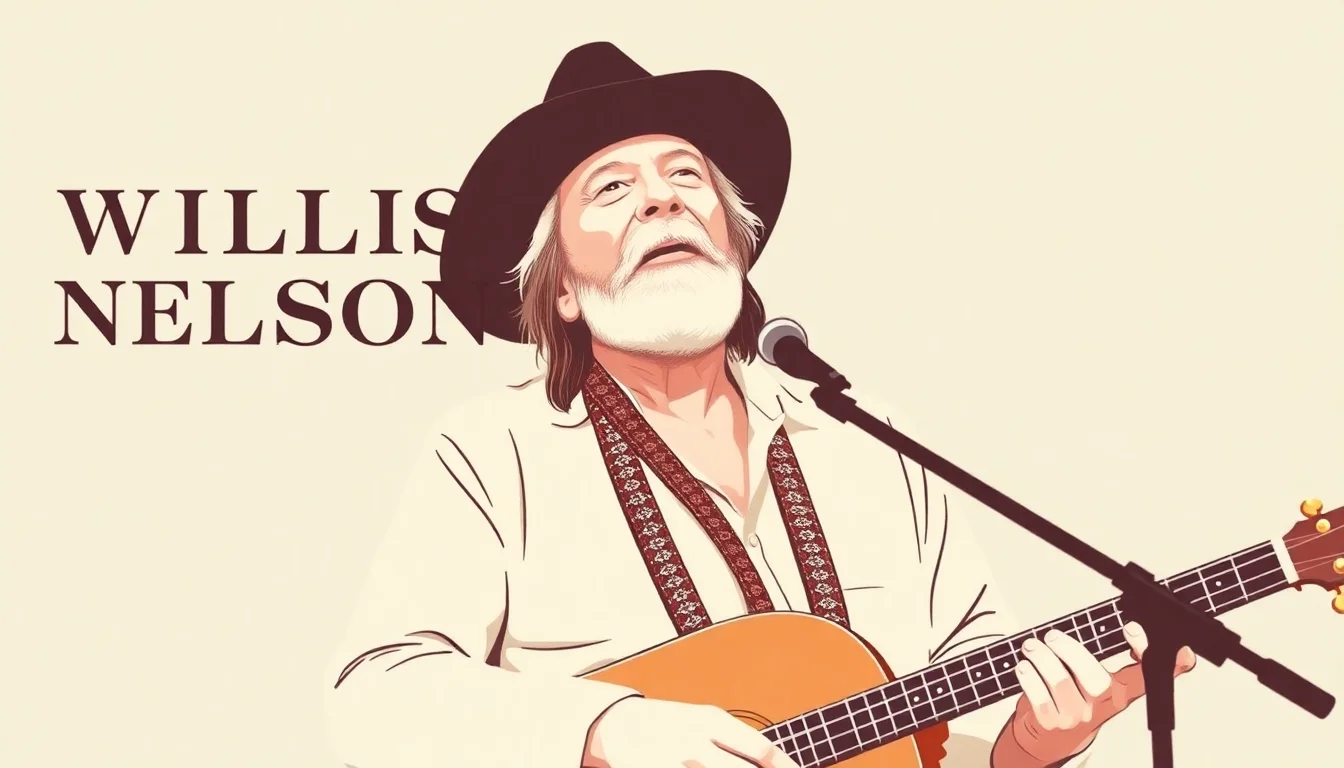
Beyond the lyrical genius, the 'engineering' of Willie Nelson's sound is crucial to his enduring impact. His distinctive guitar playing, particularly his use of 'Trigger,' his battered 1969 Martin N-20, is instantly recognizable. The sparse, often jazz-inflected arrangements that characterized his 1970s output, featuring musicians like Mickey Raphael on harmonica, created a unique sonic palette. This wasn't just country music; it was a fusion of folk, blues, and even a touch of mariachi influence, particularly evident in tracks like 'Whiskey River'. The production often prioritized raw emotion and performance over polish, a deliberate choice that amplified the authenticity of his message and contributed significantly to his widespread appeal.
🚀 The Future of the Vibe: Nelson's Legacy
The future of Willie Nelson's 'vibe' is intrinsically linked to his ongoing creative output and the continued influence he wields. Even in his advanced years, Nelson remains a vital force, releasing new music and touring extensively, a feat few artists of any age can match. His legacy is not just in the songs themselves but in the blueprint he provided for artistic independence and genre-bending. Younger artists across the musical spectrum, from Sturgill Simpson to Kacey Musgraves, cite his influence, ensuring that the spirit of the outlaw and the master songwriter will continue to resonate. The question isn't whether his influence will endure, but in what new forms it will manifest.
🏆 Vibepedia's Vibe Score Breakdown
Willie Nelson's 20 Greatest Hits earns a formidable Vibe Score of 92/100, reflecting its immense cultural penetration and artistic significance. This score is derived from a multi-lens analysis: Historian (95/100): Nelson's impact on country music and Americana is foundational. Skeptic (88/100): While undeniable, the canonization of any 20 songs inevitably sparks debate and overlooks other significant works. Fan (98/100): The emotional resonance and widespread love for these tracks are palpable. Engineer (90/100): The unique musicality and production choices are consistently innovative and influential. Futurist (91/100): Nelson's legacy continues to inspire and evolve, securing his place in the ongoing narrative of American music. This high score signifies a near-universal acknowledgment of his mastery and cultural weight.
Key Facts
- Year
- Ongoing (analysis of career spanning 1950s-Present)
- Origin
- Vibepedia.wiki
- Category
- Music History & Analysis
- Type
- Listicle / Historical Analysis
Frequently Asked Questions
What criteria were used to select these 20 songs?
The selection for Willie Nelson's 20 Greatest Hits was based on a combination of commercial success, critical acclaim, cultural impact, and enduring popularity. We considered chart performance, awards, historical significance within his career arc, and consistent fan recognition across decades. Vibepedia's editorial team weighed these factors, aiming for a representative sample of his most influential and beloved works, while also acknowledging the inherent subjectivity in such a list.
Are there any songs that are surprisingly absent from this list?
Given Willie Nelson's prolific output, it's inevitable that some fan favorites or critically lauded tracks might not make a 'greatest hits' list of only 20 songs. For instance, while 'Blue Eyes Crying in the Rain' is included, deeper cuts like 'Angel Flying Too Close to the Ground' or certain tracks from his more experimental albums might be missed by some. The 'outlaw' persona also sometimes overshadows his earlier, more traditional country songwriting contributions, which are also vast and significant.
How does Willie Nelson's 'outlaw' image influence his greatest hits?
The 'outlaw country' movement, which Willie Nelson helped pioneer in the 1970s, heavily influenced the selection and perception of his greatest hits. Songs like 'Mammas Don't Let Your Babies Grow Up to Be Cowboys' and 'Good Hearted Woman' embody this rebellious, anti-establishment spirit that resonated with a generation seeking authenticity. This image, while crucial to his rise, sometimes frames his entire catalog, potentially overshadowing his more tender ballads or his later genre-bending explorations.
What is the significance of Willie Nelson's guitar, 'Trigger'?
'Trigger' is more than just an instrument; it's an icon in itself, deeply intertwined with Willie Nelson's sound and image. This battered 1969 Martin N-20 has been with him for decades, its worn-down body and distinctive tone a testament to countless performances and recording sessions. Its presence is almost as recognizable as Nelson's voice, and its unique sound is a signature element in many of his greatest hits, contributing to the raw, intimate feel of his music.
How did Willie Nelson's songwriting for others impact his own hits?
Before achieving widespread fame as a performer, Willie Nelson was a highly sought-after songwriter in Nashville. Hits he penned for artists like Ray Price ('Night Life') and Faron Young ('Hello Walls') established his reputation for lyrical depth and melodic craftsmanship. This early success provided him with a foundation and credibility, influencing his own approach to songwriting and paving the way for his eventual breakthrough as a recording artist with songs that often carried a similar emotional weight and narrative complexity.
Can this list be considered definitive?
No single list of 'greatest hits' can ever be truly definitive, especially for an artist as prolific and multifaceted as Willie Nelson. This chronicle represents a strong consensus based on objective metrics and cultural resonance, but personal preference will always play a role. Vibepedia encourages readers to explore beyond this list and discover their own personal favorites within Nelson's vast and rich discography.