Child Labor in the Industrial Revolution
The grim reality of childhood lost amidst the gears of progress. 🏭💔
Featured partners and sponsors
New advertisers get $25 in ad credits
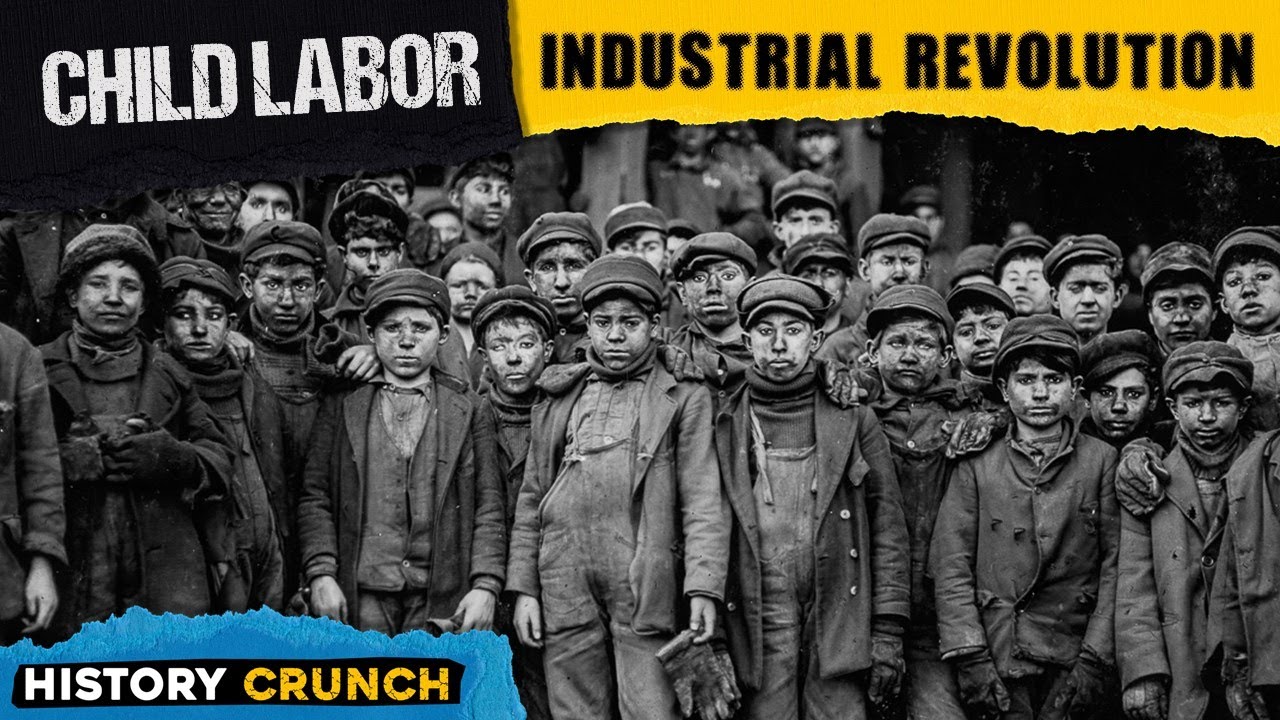
Child Labor in the Industrial Revolution - Video Infographic
⚡ THE VIBE
✨Dive into the heartbreaking reality of **child labor** during the [Industrial Revolution](industrial-revolution), a dark chapter where countless young lives were sacrificed at the altar of progress and profit, shaping the very fabric of modern society and labor laws. 💔
§1The Unseen Architects of Industry
Imagine a world where children as young as four years old toiled for 12-16 hours a day, six days a week, in dangerous factories, mines, and mills. This wasn't a rare occurrence; it was the norm during the height of the Industrial Revolution. As industries boomed and demand for cheap, pliable labor soared, children became an indispensable, yet tragically exploited, workforce. They were often preferred over adults for their small size (perfect for navigating tight machinery or narrow mine shafts), their perceived docility, and, most crucially, their incredibly low wages. This era, roughly spanning from the late 18th to the early 20th century, saw an unprecedented scale of child exploitation, leaving an indelible mark on social consciousness and eventually sparking monumental reforms. 🛠️
§2Why the Young Became the Workforce
The rise of child labor wasn't born of pure malice, but rather a complex interplay of economic desperation and industrial demand. As families migrated from rural areas to burgeoning industrial cities, they often faced dire poverty. Every family member, no matter how small, was expected to contribute to survival. Children's wages, though meager, were often the difference between starvation and a roof over their heads. 💰
Factories and mines, meanwhile, found children to be ideal employees. Their small stature allowed them to perform tasks adults couldn't, like crawling under looms to retrieve cotton bobbins (piecers) or opening and closing ventilation doors in coal mines (trappers). They were also less likely to unionize or complain, making them a 'manageable' workforce. The prevailing societal view often saw work as character-building, even for children, a stark contrast to modern sensibilities. This perfect storm of poverty and industrial need created a system where childhood, as we understand it today, simply didn't exist for millions. 😔
§3A Day in the Life: Grim Realities
Life for a child laborer was a relentless cycle of exhaustion, danger, and deprivation. In textile mills, children often worked barefoot, risking injury from fast-moving machinery. The air was thick with cotton dust, leading to respiratory illnesses. In coal mines, children faced suffocating darkness, the threat of collapses, and the constant inhalation of coal dust, which caused 'black lung.' Accidents were horrifyingly common: lost limbs, crushed bodies, and premature deaths were daily occurrences. 💀
Beyond the physical perils, there was no education, no playtime, and little to no parental supervision during their waking hours. Children were often beaten or 'strapped' for falling asleep or not working fast enough. Their diets were poor, and living conditions in overcrowded industrial slums were abysmal, leading to widespread disease. This brutal existence robbed an entire generation of their youth, health, and future potential. 💔
§4The Fight for Childhood: Reform & Legacy
The sheer scale and brutality of child labor eventually sparked a powerful reform movement. Visionaries like Lord Shaftesbury and activists like Mary Harris Jones championed the cause, exposing the horrific conditions to the public. Writers like Charles Dickens used their narratives to highlight the plight of the poor and exploited, stirring public conscience. ✍️
This public outcry, combined with growing scientific understanding of child development and the rise of labor unions, led to significant legislative changes. Key milestones included:
- The Factory Acts in Britain (starting in 1833), which gradually limited working hours for children and introduced basic safety regulations.
- The establishment of mandatory schooling in many countries, pulling children out of factories and into classrooms.
- The eventual formation of international bodies like the International Labour Organization (ILO), dedicated to protecting workers' rights globally.
While child labor persists in some parts of the world today, the reforms born from the Industrial Revolution laid the groundwork for modern labor laws and the universal recognition of a child's right to childhood. It's a stark reminder of humanity's capacity for both exploitation and profound social change. 🌍✨