Burnout Syndrome
When your inner flame flickers out: The silent epidemic of exhaustion.
Featured partners and sponsors
New advertisers get $25 in ad credits
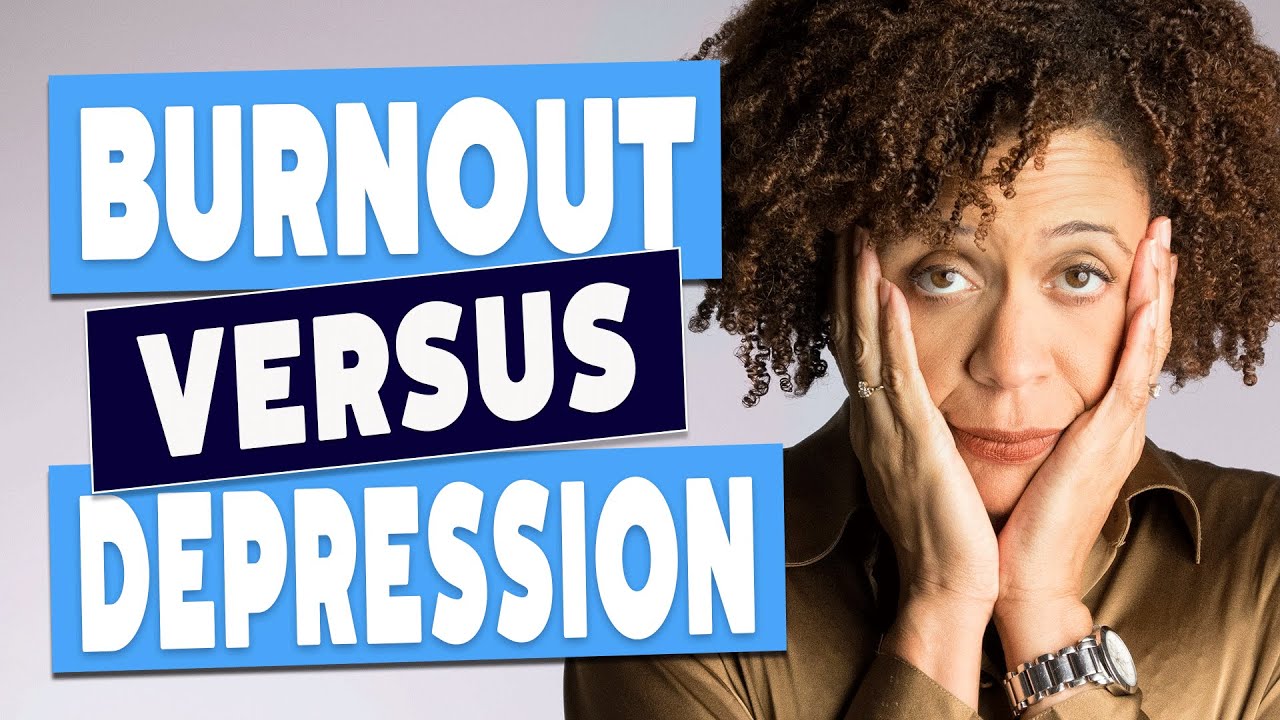
Burnout Vs. Depression - How To Tell the Difference
⚡ THE VIBE
✨Burnout Syndrome is a state of chronic physical and emotional exhaustion, cynicism, and reduced personal accomplishment, first identified in the 1970s and now recognized globally as a significant threat to well-being and productivity. It's not just stress; it's the feeling of being utterly *drained* beyond recovery. 🤯
§1What is Burnout, Really? 🔥
Imagine pouring your heart and soul into something, day in and day out, only to find yourself running on fumes, feeling utterly empty. That's burnout in a nutshell. It's a state of chronic stress that leads to physical and emotional exhaustion, cynicism and detachment, and a reduced sense of personal accomplishment. It's not just a bad week; it's a persistent, insidious erosion of your energy and enthusiasm. The World Health Organization (WHO) officially recognized burnout as an occupational phenomenon in its 11th Revision of the International Classification of Diseases (ICD-11) in 2019, underscoring its serious impact on global well-being. This isn't just about feeling stressed; it's about feeling done – profoundly and systemically. 😵💫
§2The Unsung History & Its Roots 🌱
The term 'burnout' was first coined in the 1970s by American psychologist Herbert Freudenberger. He observed the phenomenon among staff in free clinics in New York, noticing how highly motivated individuals, particularly those in 'helping professions' like doctors, nurses, and social workers, would become utterly exhausted and disillusioned. They were literally 'burning out' from the intense emotional demands and often thankless nature of their work. Freudenberger's groundbreaking work shone a light on a condition that, for centuries, was likely dismissed as mere 'fatigue' or 'lack of commitment.' His insights paved the way for understanding the psychological toll of demanding environments and the crucial need for self-care and systemic support. It was a wake-up call that our mental and emotional resources are not infinite. 🕰️
§3The Three Pillars of Depletion 📉
Burnout manifests through a trifecta of interconnected symptoms, often referred to as its core dimensions. Understanding these helps us identify and address the issue before it spirals out of control:
- Exhaustion: This is more than just feeling sleepy. It's a profound physical and emotional fatigue that sleep doesn't fix. You wake up tired, you stay tired, and every task feels like climbing Mount Everest. Your energy reserves are completely depleted. 😴
- Cynicism & Detachment (Depersonalization): You start to feel disconnected from your work, your colleagues, and even your purpose. Tasks that once excited you now feel meaningless. You might develop a negative, cynical attitude, viewing clients or colleagues as objects rather than people. This emotional distance is a coping mechanism, but it isolates you further. 🧊
- Reduced Efficacy (Lack of Personal Accomplishment): Despite working tirelessly, you feel like you're not achieving anything. Your productivity might actually drop, and you start doubting your abilities and competence. This feeling of ineffectiveness erodes your self-esteem and motivation, creating a vicious cycle. 📉
These symptoms don't appear overnight; they creep up slowly, often disguised as 'just being busy' until you hit a wall. Recognizing these signs is the first step toward recovery. 🛑
§4Why It Matters in 2026: The Modern Grind 🌐
In 2026, burnout is more prevalent than ever, exacerbated by the relentless pace of modern life, the 'always-on' culture fueled by digital technology, and the blurring lines between work and personal life. The pandemic, with its added layers of stress, uncertainty, and remote work challenges, pushed many to their breaking point. We're constantly bombarded with information, expectations, and the pressure to 'do more' and 'be more.' This isn't just an individual problem; it's a societal one with massive implications for public health, economic productivity, and overall well-being. Companies are finally recognizing the cost of burnout, from high employee turnover to decreased innovation. Addressing it requires both individual resilience and systemic changes in workplace culture, promoting work-life balance and mental health support. It's a call to re-evaluate our relationship with work and success. 🚀
§5Coping & Conquering: Reclaiming Your Vibe ✨
While burnout feels overwhelming, it's not a life sentence. Recovery is possible, though it requires intentional effort and often, a significant shift in perspective or environment. Strategies include:
- Setting Boundaries: Learning to say 'no' and protecting your personal time is crucial. Your time off is sacred. 🛡️
- Prioritizing Self-Care: This isn't selfish; it's essential. Think exercise, healthy eating, sufficient sleep, and engaging in hobbies that bring you joy. 🧘♀️
- Seeking Support: Talking to a therapist, coach, or trusted friend can provide perspective and coping tools. Don't suffer in silence. 💬
- Re-evaluating Workload: Can tasks be delegated? Are expectations realistic? Sometimes, a conversation with a manager about workload management is necessary. ⚖️
- Mindfulness & Stress Reduction: Practices like meditation or deep breathing can help manage stress responses and bring you back to the present moment. 🌬️
Ultimately, conquering burnout is about reconnecting with your purpose, valuing your well-being, and understanding that your worth isn't solely defined by your productivity. It's about reigniting that inner spark. ✨