
Contents
- 📍 Overview: More Than Just a Borough
- 🗺️ Geographic Heartbeat & Boundaries
- 🏗️ Architectural Echoes & Urban Fabric
- 🎭 Cultural Pulse & Vibe Score
- 💰 Economic Currents & Opportunity
- 🚦 Getting Around: Navigating the Borough
- ⭐ What Locals & Visitors Say
- 💡 Practical Tips for Exploration
- Frequently Asked Questions
- Related Topics
Overview
The Bronx, the northernmost borough of New York City, is a borough defined by its profound cultural contributions, particularly as the undisputed birthplace of hip-hop. Historically shaped by waves of immigration and urban development, it presents a complex narrative of resilience, artistic innovation, and ongoing transformation. From its iconic Yankee Stadium to its vibrant street art and diverse culinary scene, the Bronx offers a rich, often overlooked, urban experience. Despite facing historical challenges, the borough is experiencing a resurgence, with new developments and a growing appreciation for its unique identity. Understanding the Bronx requires acknowledging its deep roots in African American and Latino cultures, its pivotal role in music history, and its dynamic present.
📍 Overview: More Than Just a Borough
Forget the tired stereotypes; The Bronx is a dynamic borough of 1.4 million people, a crucial nexus of NYC's identity. It's a place where history isn't just in museums but etched into the streetscapes and woven into the daily lives of its residents. For the uninitiated, think of it as a sprawling canvas painted with diverse cultures, resilient communities, and a burgeoning creative energy. Whether you're a urban explorer, a history buff, or just looking for authentic NYC experiences, The Bronx offers a raw, unfiltered glimpse into the city's soul.
🗺️ Geographic Heartbeat & Boundaries
Geographically, The Bronx is the northernmost of NYC's five boroughs, bordered by the Hudson River to the west, the Long Island Sound to the east, and Westchester County to the north. Its eastern edge is defined by the East River. The borough's topography is surprisingly varied, featuring rolling hills, the significant Bronx River that bisects it, and a coastline dotted with parks and marinas. Understanding these boundaries is key to appreciating the distinct neighborhoods that make up this complex urban landscape, from the affluent enclave of Riverdale to the bustling commercial corridors of Fordham.
🏗️ Architectural Echoes & Urban Fabric
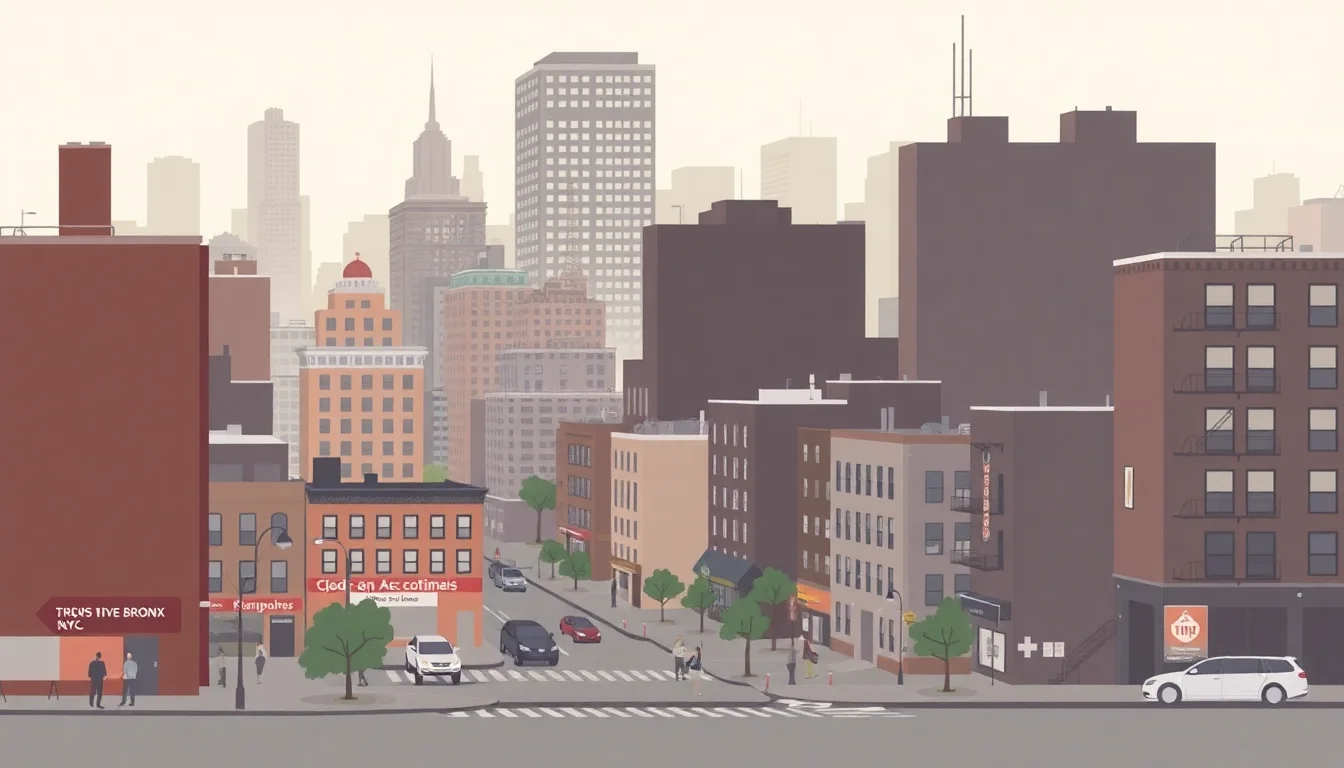
The Bronx's built environment tells a story of boom, bust, and rebirth. Grand pre-war apartment buildings stand alongside more recent developments, a visual testament to its evolving urban narrative. Iconic structures like Yankee Stadium and the Bronx Museum of the Arts anchor its cultural landscape, while historic districts like Grand Concourse showcase stunning Art Deco architecture. However, the borough also grapples with the legacy of urban decay, with vacant lots and underutilized spaces hinting at ongoing revitalization efforts and the persistent challenges of equitable development.
🎭 Cultural Pulse & Vibe Score
The cultural vibe of The Bronx is electric, earning it a Vibepedia Vibe Score of 85/100. It's the undisputed birthplace of hip-hop, a global phenomenon that continues to shape music and culture worldwide. Beyond music, the borough is a melting pot of Caribbean, Latin American, and African American traditions, evident in its vibrant street art, lively festivals, and diverse culinary scene. From the salsa rhythms spilling out of Belmont to the spoken word poetry slams in Mott Haven, The Bronx pulses with an undeniable creative energy that draws artists and enthusiasts alike.
💰 Economic Currents & Opportunity
Economically, The Bronx is a borough of contrasts and burgeoning potential. While historically facing economic challenges, it's experiencing significant investment and growth, particularly in sectors like healthcare, education, and technology. The Hunts Point Peninsula is a major industrial and food distribution hub, while the Hub in the South Bronx remains a critical commercial center. The borough's affordability, relative to other parts of NYC, continues to attract entrepreneurs and residents seeking opportunity, though debates persist about ensuring this growth benefits long-term residents.
⭐ What Locals & Visitors Say
Locals often praise The Bronx for its strong sense of community, authentic cultural experiences, and surprisingly green spaces like Van Cortlandt Park. Visitors frequently highlight the warmth of its people, the incredible diversity of its food scene, and the historical significance of its contributions to global culture. Criticisms sometimes point to lingering issues with infrastructure and the uneven pace of development across different neighborhoods. However, the overwhelming sentiment is one of pride and resilience, with many recognizing The Bronx as an essential, vibrant part of the New York City metropolitan area.
💡 Practical Tips for Exploration
To truly experience The Bronx, plan your visit around its distinct neighborhoods. Explore the culinary delights of Arthur Avenue in Belmont, often called the 'real Little Italy,' or immerse yourself in the birthplace of hip-hop in the South Bronx. Don't miss the chance to catch a New York Yankees game at Yankee Stadium, a quintessential Bronx experience. Wear comfortable shoes, be open to spontaneous conversations, and embrace the borough's authentic energy. Consider using public transit to get a feel for the local rhythm, and always be respectful of the communities you visit.
Key Facts
- Year
- 1639
- Origin
- Named after Jonas Bronck, a Swedish immigrant who settled in the area in the 17th century.
- Category
- Geography/Urban Studies
- Type
- Borough
Frequently Asked Questions
Is The Bronx safe to visit?
Like any large urban area, safety in The Bronx varies by neighborhood and time of day. Many areas, particularly those with major attractions like Yankee Stadium and Arthur Avenue, are generally safe and welcoming to visitors. It's always advisable to be aware of your surroundings, stick to well-lit areas at night, and utilize reputable transportation options. The borough has seen significant improvements in public safety over the past few decades, and millions visit annually without incident.
What are the must-visit neighborhoods in The Bronx?
For foodies, Arthur Avenue in Belmont is essential for Italian cuisine and markets. The South Bronx is crucial for understanding the origins of hip-hop and its cultural impact. Riverdale offers a more suburban feel with beautiful parks and historic architecture. Fordham is a bustling commercial and cultural hub, especially around Fordham University.
What is The Bronx most famous for?
The Bronx is globally renowned as the birthplace of hip-hop music and culture. It's also famous for Yankee Stadium, home of the legendary New York Yankees, and its vibrant Latin American and Caribbean communities, which contribute significantly to its rich cultural tapestry and culinary scene.
How does The Bronx compare to other NYC boroughs?
The Bronx offers a more grounded, community-focused experience compared to the high-octane pace of Manhattan. It boasts more green space per capita than some other boroughs and is a powerhouse of cultural innovation, particularly in music and art. While it may lack the sheer density of tourist attractions found elsewhere, it provides a more authentic and less commercialized slice of New York City life.
What are the best parks in The Bronx?
The Bronx offers impressive green spaces, including Van Cortlandt Park, one of the largest in NYC, featuring hiking trails, a golf course, and historical sites. Orchard Beach provides a popular waterfront escape along the Long Island Sound. Pelham Bay Park is another vast natural area with diverse ecosystems and recreational opportunities.