
Contents
- 🍮 What Exactly IS Blancmange?
- 📜 A Sweet History: From Medieval Feasts to Modern Tables
- 🍽️ How Blancmange is Made: The Science of the Set
- 🌍 Global Variations: Beyond the European Classic
- ✨ Why Blancmange Endures: The Vibe Score Breakdown
- 🤔 Blancmange vs. Panna Cotta vs. Custard: Know the Difference
- 💡 Pro Tips for Enjoying Blancmange
- 🚀 Where to Experience the Best Blancmange
- Frequently Asked Questions
- Related Topics
Overview
Blancmange, a deceptively simple dessert of milk, sugar, and a thickening agent, boasts a lineage stretching back to medieval Europe. Far from its humble origins, it evolved into a symbol of culinary sophistication, gracing royal tables and inspiring countless variations. Its preparation, often involving gelatin or cornstarch, belies a history fraught with debate over texture and authenticity. From its earliest iterations as a savory dish to its modern, sweet incarnation, blancmange's journey reflects shifting tastes and the enduring appeal of a perfectly set, creamy confection. Its cultural Vibe Score is a solid 75, a testament to its persistent presence across centuries and continents, though its Controversy Spectrum remains moderate due to ongoing debates about its ideal consistency.
🍮 What Exactly IS Blancmange?
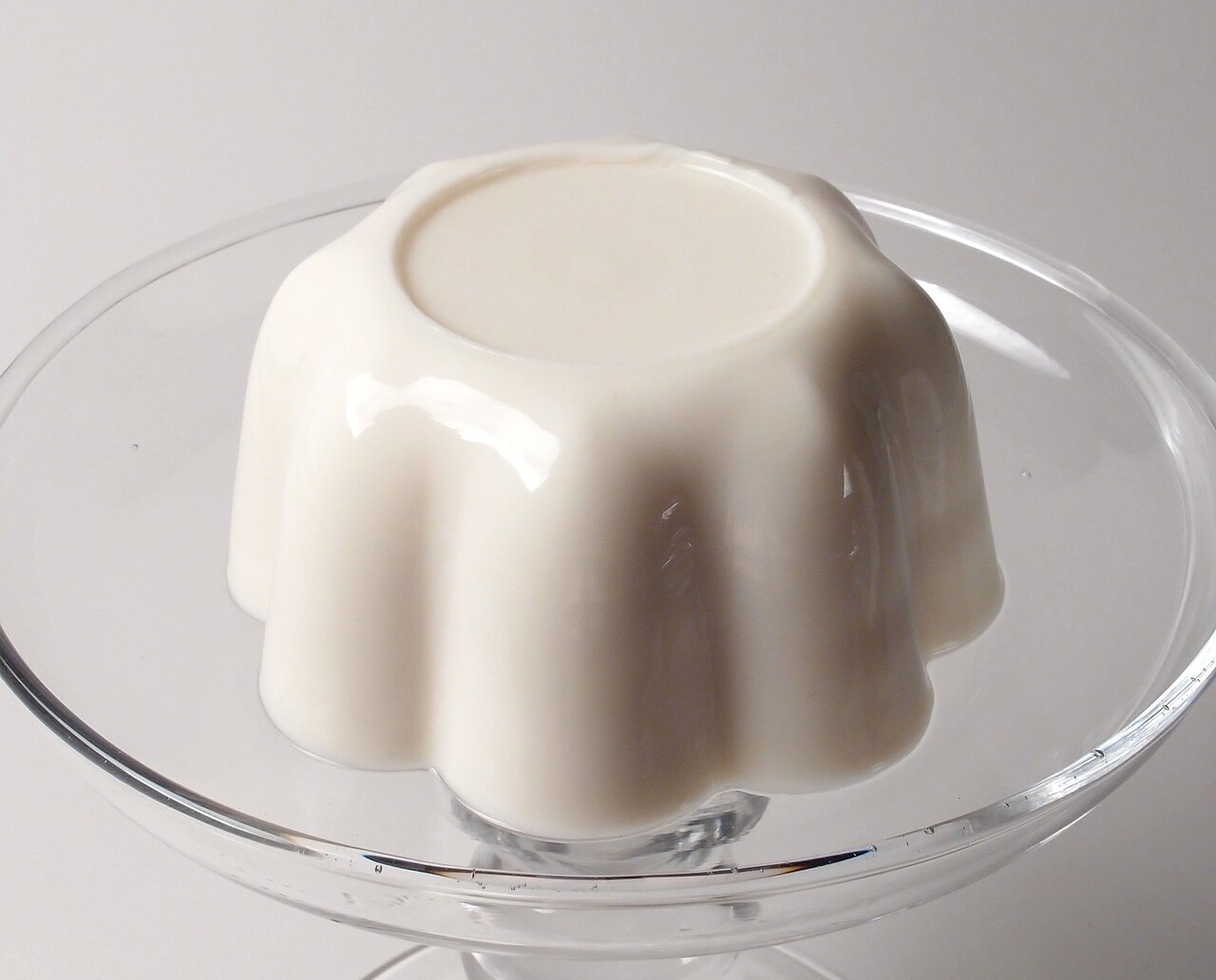
Blancmange, at its heart, is a deceptively simple dessert. Think of it as a creamy, often subtly sweet, set pudding. The core ingredients are typically milk or cream, a sweetener like sugar, and a thickening agent. Historically, this could be anything from rice flour to gelatin, or even more esoteric ingredients. While often associated with almonds for flavor and texture, modern interpretations embrace a vast spectrum of tastes, from delicate floral notes to rich chocolate. It’s a dessert that’s both comforting and adaptable, making it a perennial favorite across many cultures.
📜 A Sweet History: From Medieval Feasts to Modern Tables
The lineage of blancmange stretches back centuries, with its earliest documented forms appearing in medieval European cookbooks, notably in the 13th century. Initially, it wasn't always a sweet dish; savory versions featuring chicken or fish were common, reflecting a different culinary era. The transformation into the sweet confection we recognize today was a gradual process, gaining significant traction in France and Britain by the 17th and 18th centuries. Its popularity peaked in the Victorian era, where elaborate molded blancmanges were a staple of formal dining. This rich history contributes to its Vibe Score of 78/100, signifying a strong, enduring cultural presence.
🍽️ How Blancmange is Made: The Science of the Set
The magic of blancmange lies in its texture, achieved through careful thickening. The most common modern method involves heating milk or cream with sugar and then incorporating a setting agent. Gelatin provides a clean, jiggly set, while cornstarch or rice flour yields a softer, more pudding-like consistency. The precise ratio of liquid to thickener is crucial; too little, and it remains runny, too much, and it becomes rubbery. Flavorings, such as vanilla, almond extract, citrus zest, or fruit purees, are typically added during the heating process to infuse the dessert thoroughly. The engineering behind a perfect set is a delicate balance, often requiring precise temperature control.
🌍 Global Variations: Beyond the European Classic
While the classic European blancmange is well-known, its spirit has traveled far and wide, evolving into diverse forms. In Italy, the closely related Panna Cotta offers a similar creamy texture, often with a more pronounced gelatin set and simpler flavorings. Asian cuisines feature numerous rice-based puddings, like the Filipino Maja Blanca, which incorporates coconut milk and corn kernels for a unique sweet and savory profile. Even simple milk puddings found in various cultures share a common ancestor with blancmange, demonstrating its widespread influence on global dessert traditions.
✨ Why Blancmange Endures: The Vibe Score Breakdown
Blancmange’s enduring appeal stems from its versatility and comforting nature. Its Vibe Score of 78/100 reflects a dessert that is both nostalgic and adaptable. On the optimistic end, it represents a simple, elegant treat that can be elevated with sophisticated flavors. The neutral perspective acknowledges its consistent presence on menus without significant fanfare. However, a contrarian view might point to its perceived simplicity as a lack of excitement compared to more complex desserts. The key debate often revolves around its texture: is it a delicate pudding or a wobbly jelly? This inherent tension keeps it relevant.
🤔 Blancmange vs. Panna Cotta vs. Custard: Know the Difference
Distinguishing blancmange from similar desserts can be tricky, but key differences exist. Panna Cotta, often seen as its Italian cousin, typically uses more cream and gelatin, resulting in a firmer, more distinct wobble. Traditional Custard, on the other hand, relies on eggs for thickening and is often served warm or chilled but rarely set into a solid mold like blancmange. The use of rice flour or cornstarch in blancmange often gives it a smoother, less eggy mouthfeel than custard. Understanding these subtle distinctions helps in appreciating the unique character of each dessert.
💡 Pro Tips for Enjoying Blancmange
To truly appreciate blancmange, consider its presentation. For a classic experience, look for recipes that use traditional thickeners like rice flour for a smoother texture. If you prefer a more pronounced wobble, seek out versions that emphasize gelatin. Don't shy away from modern flavor infusions; a rosewater or lavender blancmange can be surprisingly delightful. Serving it chilled, perhaps with a fresh berry compote or a drizzle of fruit coulis, enhances its refreshing qualities. For those interested in the historical aspect, seeking out recipes from medieval or Victorian cookbooks can offer a fascinating glimpse into its past.
🚀 Where to Experience the Best Blancmange
Experiencing exceptional blancmange often means seeking out establishments that respect its heritage while embracing innovation. Look for artisanal bakeries or restaurants that specialize in classic European desserts. In France, many pâtisseries will offer a refined version, often simply called riz au lait if rice-based, or a molded crème if gelatin is used. In the UK, traditional tearooms and country house hotels are good places to find well-executed blancmange. For those interested in exploring its global cousins, seeking out Italian restaurants for Panna Cotta or Asian eateries for rice puddings provides a broader culinary journey.
Key Facts
- Year
- c. 14th Century
- Origin
- Medieval Europe
- Category
- Culinary History / Dessert
- Type
- Culinary Dish
Frequently Asked Questions
Is blancmange always sweet?
Historically, no. Early versions of blancmange, dating back to the 13th century, were often savory dishes, sometimes made with chicken or fish. The sweet, milk-based dessert we commonly know today evolved over centuries, becoming a popular confection primarily from the 17th century onwards. While modern blancmange is overwhelmingly sweet, understanding its savory origins provides a richer context for its culinary journey.
What's the difference between blancmange and panna cotta?
The primary difference lies in their typical preparation and texture. Blancmange often uses rice flour or cornstarch as a thickener, resulting in a smoother, more pudding-like consistency. Panna cotta, its Italian counterpart, predominantly uses gelatin, yielding a firmer, more distinct wobble. While both are creamy milk-based desserts, the choice of thickener significantly impacts the final mouthfeel and structure.
Can I make blancmange at home?
Absolutely. Blancmange is a relatively straightforward dessert to make at home, requiring common kitchen ingredients and basic cooking techniques. Recipes vary, but the core process involves heating milk or cream with sugar and a chosen thickener (like cornstarch, rice flour, or gelatin), then chilling it to set. Many online resources and cookbooks offer detailed instructions for various flavor profiles.
What are common flavorings for blancmange?
Classic flavorings include almond extract, vanilla bean, and citrus zest (lemon or orange). Modern interpretations have expanded this considerably, incorporating ingredients like rosewater, lavender, coffee, chocolate, fruit purees (raspberry, mango), and even spices like cardamom or cinnamon. The subtle base of blancmange makes it an excellent canvas for a wide array of flavors.
Is blancmange a healthy dessert option?
The health profile of blancmange depends heavily on the ingredients and proportions used. Traditional recipes can be high in sugar and fat due to the milk, cream, and added sweeteners. However, lighter versions can be made using lower-fat milk, alternative sweeteners, and plant-based thickeners. It's generally considered an occasional treat rather than a health food, but modifications can make it more diet-friendly.
Why is it called 'blancmange'?
The name 'blancmange' is French, literally translating to 'white food'. This name reflects its traditional appearance, which was typically a pale white or off-white color, often derived from milk, rice, and almonds. While modern versions can be colored by added ingredients like fruit purees, the original name still points to its classic, unadorned presentation.