
Contents
Overview
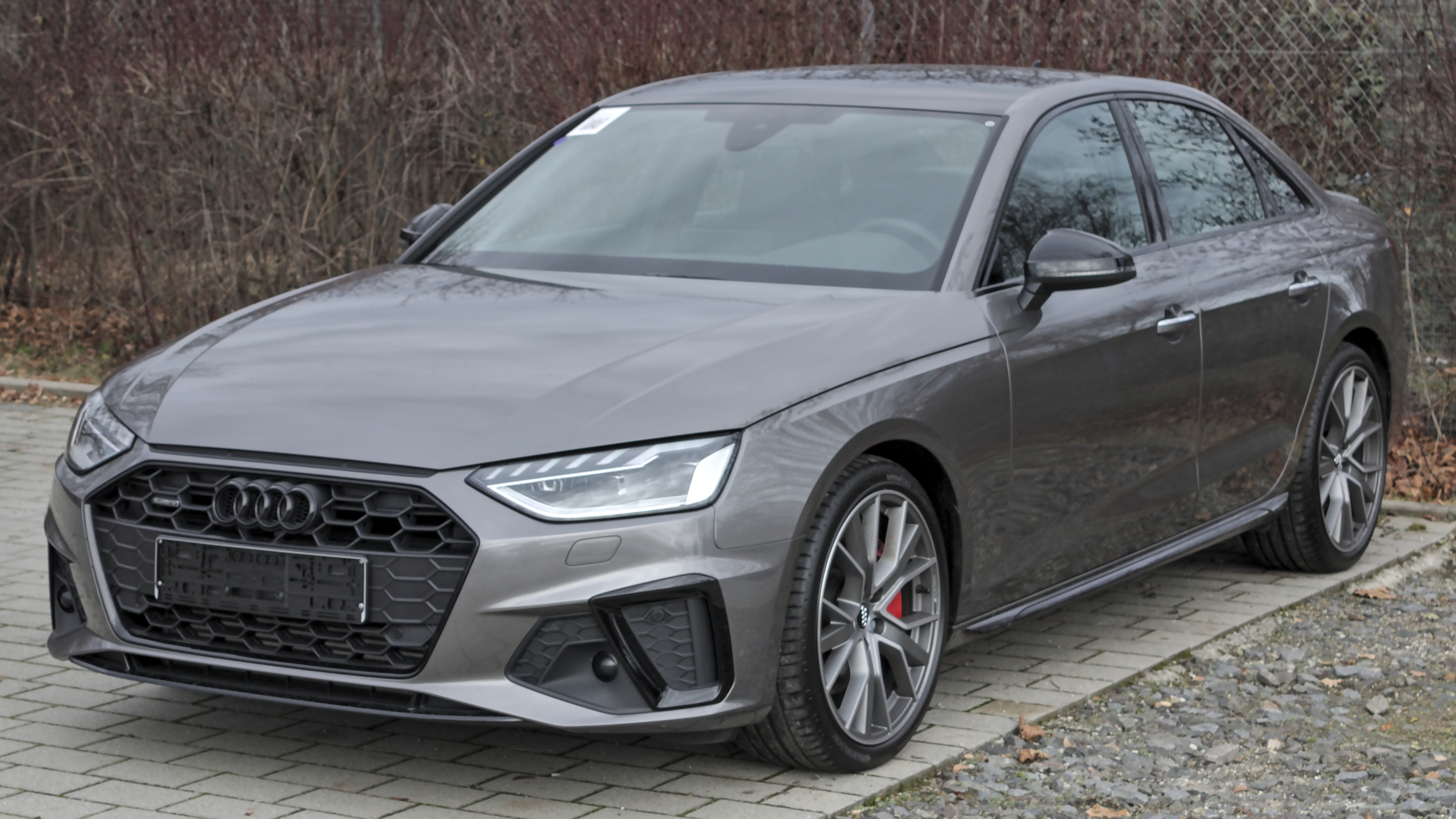
The 'best compact cars' aren't just about fitting into tight parking spots; they represent a dynamic intersection of urban practicality, fuel efficiency, and increasingly, sophisticated technology and driving dynamics. Historically, compact cars emerged as a response to economic pressures and a need for more maneuverable vehicles, evolving from basic transportation to highly refined machines. Today, the segment is fiercely competitive, with manufacturers like Toyota, Honda, and Volkswagen vying for dominance with models that offer a compelling blend of affordability, advanced safety features, and engaging performance. The definition of 'best' is subjective, often debated between outright value, driving pleasure, or cutting-edge tech, making this segment a constant battleground for automotive innovation and consumer preference.
🎵 Origins & History
In the United States, the rise of imports like the Volkswagen Beetle in the 1950s and 60s, with its diminutive size and impressive fuel economy, forced American manufacturers to rethink their larger, gas-guzzling offerings. Brands like Honda and Toyota Corolla became global phenomena, defining the segment with reliability and value.
⚙️ How It Works: The Compact Formula
Engineers meticulously design these vehicles to maximize interior volume within a smaller exterior footprint, often employing front-wheel-drive platforms for better packaging and fuel economy. Key to their design is a balance between agile handling, crucial for navigating congested urban environments and winding roads, and a comfortable ride. Modern compacts often incorporate advanced suspension systems and lightweight materials to achieve this equilibrium. Furthermore, the integration of efficient powertrains, ranging from turbocharged gasoline engines to hybrid and even fully electric drivetrains, is central to their appeal, offering a compelling mix of performance and reduced environmental impact.
📊 Key Facts & Numbers
Most top compacts earning 'Top Safety Pick+' awards from the Insurance Institute for Highway Safety.
👥 Key People & Organizations
While no single individual 'invented' the compact car, key figures and organizations have profoundly shaped the segment. Soichiro Honda, founder of Honda, revolutionized the industry with his focus on reliable, fuel-efficient vehicles like the Honda Civic. Akio Toyoda, former CEO of Toyota, oversaw the continued dominance of the Corolla and the development of innovative hybrid technology. Automakers like Volkswagen Group (with models like the Golf) and General Motors (historically with brands like Chevrolet) have consistently produced strong contenders. The Insurance Institute for Highway Safety and National Highway Traffic Safety Administration play crucial roles in setting safety standards that influence design.
🌍 Cultural Impact & Influence
Compact cars have become more than just transportation; they are cultural touchstones. They represent independence for young drivers, practicality for growing families, and a sensible choice for budget-conscious consumers. The rise of the compact car coincided with the growth of suburban life and the increasing accessibility of car ownership. They've been featured in countless films and television shows, often symbolizing the everyman or the relatable protagonist. Furthermore, the compact car segment has been a proving ground for automotive innovation, from early adoption of fuel injection to the widespread integration of advanced driver-assistance systems (ADAS) and infotainment technology, influencing the direction of the entire automotive industry.
⚡ Current State & Latest Developments
Manufacturers are rapidly introducing hybrid and fully electric variants of their popular compact models, such as the Toyota Prius and the Volkswagen ID.4. Competition is intensifying, with newcomers from BYD and Hyundai challenging established players. The ongoing semiconductor shortage and supply chain issues continue to impact production and pricing, though the market is showing signs of stabilization.
🤔 Controversies & Debates
Critics often point to the compromise inherent in compact design – a trade-off between agility and passenger comfort, or between affordability and premium features. The environmental impact of battery production for electric compacts, and the disposal of older internal combustion engine models, also remain points of contention.
🔮 Future Outlook & Predictions
The future of compact cars is inextricably linked to electrification and autonomy. Expect to see a significant increase in the number of all-electric compact models, driven by stricter emissions regulations and consumer demand for sustainable transportation. Tesla's influence, particularly with models like the Model 3, is pushing the entire segment towards higher performance and advanced tech. We will likely see further integration of semi-autonomous driving features, making commutes safer and less stressful. The challenge for manufacturers will be to maintain affordability while incorporating these advanced technologies, ensuring the compact car remains an accessible option for a broad range of consumers.
💡 Practical Applications
Compact cars are the workhorses of personal transportation for millions. Their practical applications are vast: daily commuting, running errands, navigating crowded city streets, and serving as a first car for new drivers. They are ideal for individuals or small families who prioritize fuel efficiency and maneuverability. In urban environments, their smaller size makes parking significantly easier, a major advantage in densely populated areas. For businesses, compact cars often represent cost-effective fleet vehicles due to their lower purchase price and running costs, from fuel to insurance. The versatility of the compact car ensures its continued relevance across diverse user needs.
Key Facts
- Category
- aesthetics
- Type
- product