
Contents
- 🦎 What Are Bearded Dragon Breeds?
- 🌟 The Vibepedia Vibe Score
- 🧬 Understanding Genetic Variations
- 👑 The Classic Pogona vitticeps
- 🚀 Emerging & Designer Morphs
- ⚖️ Choosing Your Dragon: A Practical Guide
- 💡 Key Considerations for New Owners
- 💰 Cost of Acquisition & Upkeep
- ❓ Frequently Asked Questions
- 🤝 Where to Find Your Bearded Dragon
- Frequently Asked Questions
- Related Topics
Overview
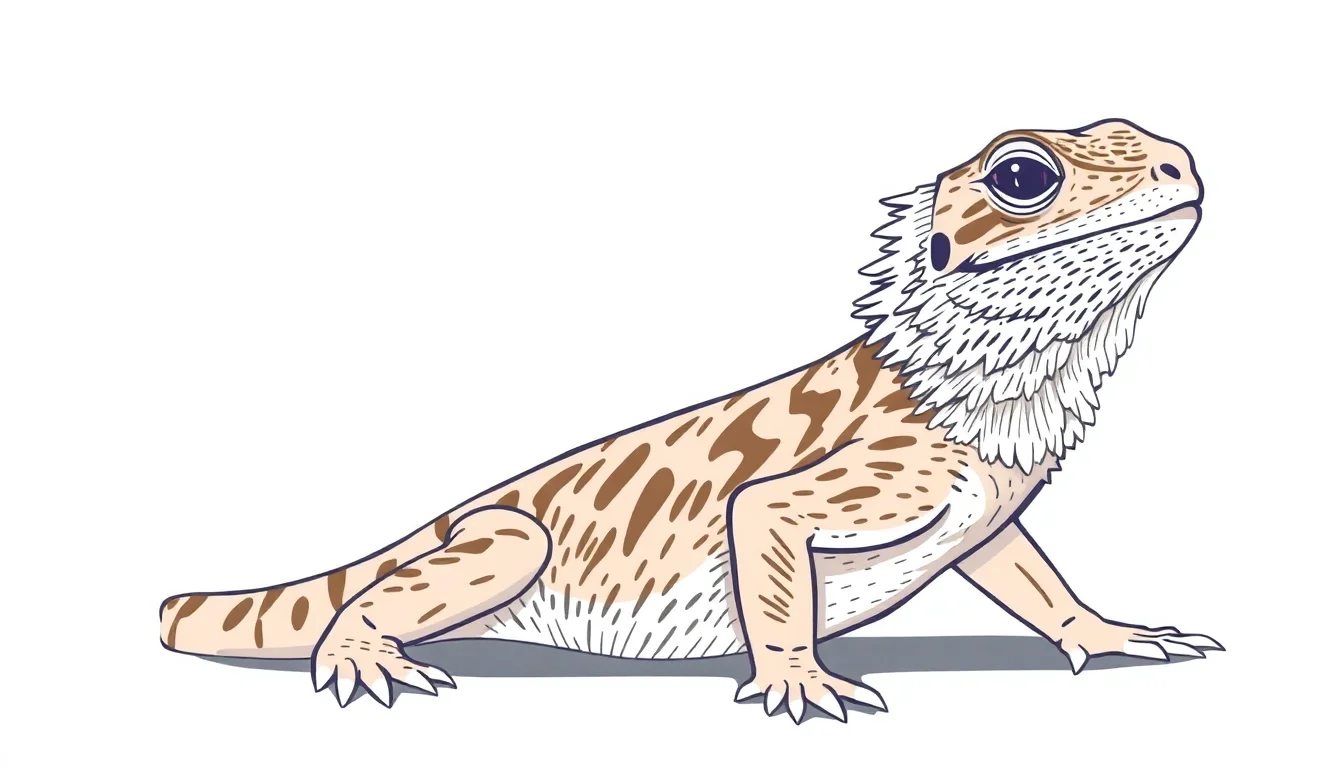
Bearded dragon breeds aren't distinct species in the wild, but rather selectively bred morphs and color variations of the central bearded dragon, Pogona vitticeps. These variations are the result of decades of dedicated reptile husbandry and selective breeding, leading to a dazzling array of appearances. For prospective owners, understanding these differences is crucial for selecting a pet that aligns with their aesthetic preferences and husbandry capabilities. Vibepedia tracks the cultural energy, or 'vibe,' surrounding these morphs, from their initial emergence to their current popularity within the reptile community.
🌟 The Vibepedia Vibe Score
At Vibepedia, we assign a 'Vibe Score' (0-100) to each bearded dragon morph, reflecting its current cultural resonance, desirability, and influence within the pet trade and online communities. This score is dynamic, influenced by factors like social media trends, breeder output, and the perceived 'coolness' factor. For instance, the Hypotranslucent morph often scores high due to its striking appearance and relative rarity, while the standard morph, though less flashy, maintains a consistent, solid vibe score due to its widespread availability and beginner-friendliness. This score helps you gauge a morph's current standing in the enthusiast world.
🧬 Understanding Genetic Variations
The genetic variations that define bearded dragon 'breeds' are fascinating. These aren't like dog breeds, where distinct lineages are maintained for specific traits; rather, they are color, pattern, and scale mutations that breeders isolate and propagate. Key genetic mutations include 'translucent' (reduced pigment, allowing organs to be faintly visible), 'leatherback' (smooth, reduced scales), and 'hypomelanistic' (reduced black pigment). Understanding these basic genetic building blocks is essential for appreciating the complexity behind a Zero or a Wero.
👑 The Classic Pogona vitticeps
The undisputed king of bearded dragon morphs is the classic Pogona vitticeps, often referred to as the 'standard' or 'wild type.' This is the baseline against which all other morphs are compared. They typically exhibit earthy tones of brown, tan, and grey, with a robust build and the characteristic spiky 'beard' that gives them their name. While lacking the extreme colorations of designer morphs, the standard bearded dragon possesses a timeless appeal and is often the most affordable and readily available option for new keepers, making it a cornerstone of reptile keeping.
🚀 Emerging & Designer Morphs
The world of designer bearded dragon morphs is where creativity truly shines. Breeders have developed stunning variations like the German Giant (known for its impressive size), the Dunner (characterized by unique scale patterns and often vibrant colors), and the Paradox (displaying irregular patches of color). These morphs are the result of meticulous cross-breeding and selection, pushing the boundaries of what a bearded dragon can look like and commanding higher prices due to their rarity and the breeder's skill. The Silkback morph, with its smooth, scaleless appearance, represents a particularly controversial but visually striking development.
⚖️ Choosing Your Dragon: A Practical Guide
Choosing the right bearded dragon morph involves balancing aesthetics with practicality. Consider your budget, your experience level, and the specific care requirements that might differ slightly between morphs. For instance, Leatherbacks and Silkbacks may require slightly different humidity management due to their reduced scales. While a Pastel might catch your eye with its soft hues, ensure you're prepared for the lifelong commitment of providing proper diet, UVB lighting, and temperature gradients, regardless of the morph's visual appeal.
💡 Key Considerations for New Owners
Beyond the visual appeal of a morph, several practical considerations are paramount. Ensure the breeder provides clear information on the morph's lineage and any known genetic predispositions. Research the specific needs of the morph you're interested in, as some, like the Zero (virtually white) or Wero (white with red eyes), may have increased sensitivity to light or temperature fluctuations. Always prioritize health and temperament over extreme coloration; a vibrant, active dragon is always a better choice than a visually stunning but lethargic one.
💰 Cost of Acquisition & Upkeep
The cost of acquiring a bearded dragon varies significantly by morph. Standard bearded dragons can often be found for $50-$150. However, rarer designer morphs like Hypotranslucents, Paradoxes, or specific color lines can range from $300 to over $1000. Beyond the initial purchase, factor in the ongoing costs of a suitable enclosure, high-quality UVB lighting (e.g., T5 HO bulbs), heating elements, substrate, and a varied diet of insects and greens, which can add up to several hundred dollars annually.
❓ Frequently Asked Questions
Q: Are there different species of bearded dragons? A: While 'breeds' refer to morphs of Pogona vitticeps, there are other species like the Rankin's Dragon (Pogona minor minor) and the Western Bearded Dragon (Pogona minor minor), which are smaller and have different husbandry needs. However, the vast majority of pet bearded dragons are Pogona vitticeps.
Q: Do different morphs have different temperaments? A: Temperament is largely influenced by individual genetics and socialization, not the morph itself. A well-socialized standard can be as docile as a well-socialized Hypotranslucent. Focus on handling and proper care for a good temperament.
Q: How do I know if a bearded dragon is healthy? A: Look for clear eyes, a clean vent, active movement, and a good body weight. Avoid dragons with sunken eyes, lethargy, or visible parasites. A reputable breeder will readily answer health questions and show you the parents.
Q: Are Silkback bearded dragons difficult to care for? A: Yes, Silkbacks require more specialized care. Their lack of scales makes them more susceptible to dehydration and burns, necessitating careful humidity control and vigilant temperature monitoring. They are generally not recommended for beginners.
Q: What's the difference between a Hypo and a Translucent? A: 'Hypo' (hypomelanistic) refers to reduced black pigment, often resulting in brighter colors and fewer or no dark spots. 'Translucent' refers to reduced pigment overall, making their skin thinner and organs faintly visible. Many dragons are 'Hypo-Translucent,' combining both traits.
🤝 Where to Find Your Bearded Dragon
Finding a reputable breeder is paramount to acquiring a healthy bearded dragon. Look for breeders who specialize in specific morphs and are transparent about their practices. Online reptile expos, dedicated reptile forums, and specialized reptile stores are excellent starting points. Websites like MorphMarket are popular platforms for connecting with breeders. Always prioritize breeders who can provide health guarantees and detailed care information. Avoid impulse purchases from pet stores that may not have specialized knowledge of bearded dragon genetics and health. Consider local reptile clubs or shows for direct interaction with breeders.
Key Facts
- Year
- 2024
- Origin
- Australia
- Category
- Reptile Husbandry
- Type
- Resource Guide
Frequently Asked Questions
Are there different species of bearded dragons?
While 'breeds' refer to morphs of Pogona vitticeps, there are other species like the Rankin's Dragon (Pogona minor minor) and the Western Bearded Dragon (Pogona minor minor), which are smaller and have different husbandry needs. However, the vast majority of pet bearded dragons are Pogona vitticeps.
Do different morphs have different temperaments?
Temperament is largely influenced by individual genetics and socialization, not the morph itself. A well-socialized standard can be as docile as a well-socialized Hypotranslucent. Focus on handling and proper care for a good temperament.
How do I know if a bearded dragon is healthy?
Look for clear eyes, a clean vent, active movement, and a good body weight. Avoid dragons with sunken eyes, lethargy, or visible parasites. A reputable breeder will readily answer health questions and show you the parents.
Are Silkback bearded dragons difficult to care for?
Yes, Silkbacks require more specialized care. Their lack of scales makes them more susceptible to dehydration and burns, necessitating careful humidity control and vigilant temperature monitoring. They are generally not recommended for beginners.
What's the difference between a Hypo and a Translucent?
'Hypo' (hypomelanistic) refers to reduced black pigment, often resulting in brighter colors and fewer or no dark spots. 'Translucent' refers to reduced pigment overall, making their skin thinner and organs faintly visible. Many dragons are 'Hypo-Translucent,' combining both traits.
How much does a bearded dragon morph typically cost?
Standard bearded dragons can range from $50-$150. Rarer designer morphs like Hypotranslucents or Paradoxes can cost $300-$1000+, depending on the specific traits and breeder reputation. Always factor in the cost of setup and ongoing care.