
Contents
Overview
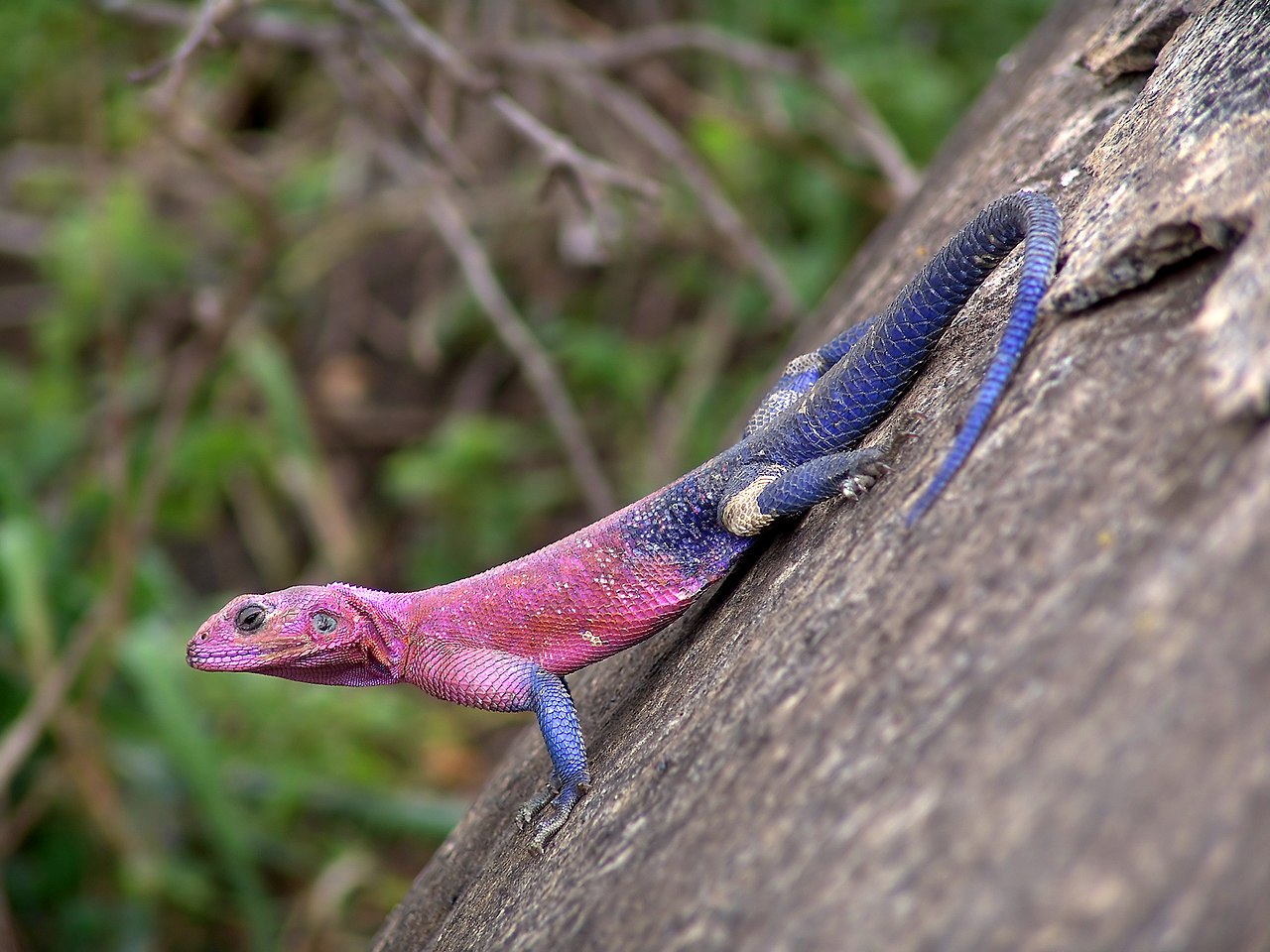
The Agamidae family, commonly known as dragon lizards, represents a diverse and widespread group of reptiles found primarily across Africa, Asia, and Australia. With over 75 genera and more than 1,000 described species, they exhibit an astonishing array of adaptations, from the arid-dwelling thorny devils to the arboreal gliding lizards. Their evolutionary success is marked by varied diets, complex social behaviors, and striking physical characteristics, including elaborate crests, frills, and spines. Understanding Agamidae requires appreciating their ecological roles, the threats they face from habitat loss and climate change, and their significant presence in both scientific research and the exotic pet trade. This guide provides a foundational overview for enthusiasts and researchers alike.
🐉 What Are Agamidae? A Quick Look
Agamidae, colloquially known as dragon lizards, represent a sprawling family of over 580 species within the Iguania infraorder. These reptiles are characterized by their diverse morphologies, often featuring spiny scales, dewlaps, and crests that lend them their reptilian mystique. Primarily found across Africa, Asia, Australia, and pockets of Southern Europe, they occupy a wide array of ecological niches, from arid deserts to lush forests. Their evolutionary success is a testament to their adaptability, making them a fascinating subject for both casual observers and dedicated herpetoculturists. Understanding the broad strokes of this family is crucial before diving into specific species.
🌍 Where to Find Dragon Lizards
The geographical distribution of Agamidae is vast, spanning continents and diverse climates. In Australia, iconic species like the Central Bearded Dragon (Pogona vitticeps) are widespread. Asian species include the numerous Draco gliding lizards, masters of arboreal life, and the formidable Chinese Water Dragon (Physignathus cocincinus) found in Southeast Asian rainforests. Africa hosts a variety of agamas, such as the Spiny-tailed Agama (Uromastyx aegyptia), adapted to harsh desert conditions. Southern Europe has a more limited representation, primarily with species like the European Agama (Laudakia stellio). Each region presents unique environmental pressures that have shaped the evolution of its resident agamid populations.
🦎 Key Species & Their Vibes
Within the Agamidae family, species exhibit a remarkable range of 'vibes' and keeper appeal. The aforementioned Central Bearded Dragon is a perennial favorite, known for its docile temperament and engaging personality, earning it a high Vibe Score of 85/100 among pet reptiles. In contrast, the Chinese Water Dragon demands a more complex arboreal setup and higher humidity, appealing to keepers seeking a more challenging, yet rewarding, pet. The spiny Uromastyx species, while less common, are prized for their unique desert adaptations and hardiness, though their dietary needs can be specialized. Each species requires a distinct approach to care, reflecting their evolutionary divergence.
💰 Acquisition & Care Costs
The financial commitment for acquiring and maintaining an agamidae species varies significantly. For a common pet like the Central Bearded Dragon, initial setup costs, including a spacious terrarium, heating, lighting, and decor, can range from $300 to $800. The lizard itself might cost between $50 and $200, depending on age and breeder reputation. More exotic species, such as certain Uromastyx or rare arboreal agamas, can command prices upwards of $500 for the animal alone, with specialized enclosure requirements potentially doubling or tripling the setup cost. Ongoing expenses for food, substrate, and veterinary care should also be factored in, typically adding $30-$100 per month.
⭐ Community & Keeper Ratings
Community ratings for agamidae species as pets are generally positive, especially for well-socialized species like the Central Bearded Dragon. Keeper forums and online communities frequently highlight their hardiness and interactive nature, contributing to a Vibe Score of 80/100 for this species. However, some species, particularly those requiring high humidity or specialized diets, receive more mixed reviews, with keepers emphasizing the commitment needed. The Controversy Spectrum for agamidae care is relatively low, with established best practices for most popular species, though debates occasionally arise regarding optimal UVB lighting or dietary supplements for specific genera.
⚖️ Agamidae vs. Other Lizards
When comparing agamidae to other popular lizard families, key differences emerge. Compared to geckos, many agamids are diurnal, requiring different lighting schedules and basking behaviors. While some geckos are known for their climbing prowess on smooth surfaces, agamids often utilize more varied terrain, including branches and rocks. Iguanas, another large iguanian family, often grow much larger and can be more temperamental than many common agamids like the bearded dragon. The Leopard Gecko, a staple in the pet trade, is nocturnal and has a distinct care profile, making it a different experience altogether from the sun-loving agamid.
💡 Pro Tips for Aspiring Keepers
For those considering bringing an agamidae into their lives, several practical tips are essential. Always research the specific species thoroughly; a Central Bearded Dragon has vastly different needs than a Chinese Water Dragon. Invest in a properly sized enclosure from the outset to avoid costly upgrades later. Ensure you have reliable sources for appropriate food items, whether live insects or specialized vegetarian diets. UVB lighting is non-negotiable for most diurnal agamids, crucial for calcium metabolism and overall health – consult reputable sources like UVB lighting guides for species-specific recommendations. Quarantine new arrivals to prevent disease transmission within your collection.
🚀 Getting Started with Agamidae
To begin your journey with agamidae, the first step is education. Identify which species aligns with your lifestyle, available space, and commitment level. Visit local reptile expos or reputable breeders to see different species firsthand and ask questions. Familiarize yourself with the essential equipment: a suitable terrarium, heating elements (heat lamps, mats), UVB lighting, thermometers, hygrometers, and appropriate substrate. Once you've chosen a species and acquired the necessary setup, find a veterinarian experienced with reptiles. Many online communities and forums dedicated to specific agamidae species offer invaluable advice and support for new keepers.
Key Facts
- Year
- 1827
- Origin
- First described by John Edward Gray
- Category
- Zoology / Herpetology
- Type
- Taxonomic Family
Frequently Asked Questions
Are all agamidae lizards aggressive?
Aggression levels vary significantly by species and individual temperament. While some species, like the Central Bearded Dragon, are known for their docility and can become quite tame with handling, others might be more skittish or defensive. It's crucial to research the specific species and understand that proper socialization and handling techniques from a young age can greatly influence an individual lizard's behavior. Even typically docile species can bite if they feel threatened or are handled improperly.
What is the most popular agamidae species for pets?
The Central Bearded Dragon (Pogona vitticeps) is overwhelmingly the most popular agamidae species kept as pets globally. Its widespread availability, relatively manageable care requirements, and generally placid disposition have cemented its status as a beginner-friendly reptile. They are often cited for their interactive nature and ability to tolerate handling, making them a favorite for many households.
Do agamidae lizards need UVB lighting?
Yes, the vast majority of agamidae species require UVB lighting. As diurnal reptiles, they rely on UVB rays to synthesize Vitamin D3, which is essential for calcium absorption. Without adequate UVB, they are prone to metabolic bone disease (MBD), a serious and potentially fatal condition. The specific type and intensity of UVB bulb needed will vary by species and enclosure setup, so consulting species-specific care guides is vital.
What do agamidae lizards eat?
The diet of agamidae is highly diverse, reflecting their varied habitats. Many species are omnivorous, consuming a mix of insects, small vertebrates, and plant matter. For instance, Central Bearded Dragons eat insects like crickets and roaches, supplemented with leafy greens and vegetables. Desert-dwelling species like Uromastyx are primarily herbivorous, feeding on seeds, flowers, and greens. Arboreal species, such as the Chinese Water Dragon, are more insectivorous but will also consume small fish and fruits.
How large do agamidae get?
Size varies dramatically across the Agamidae family. Some smaller species might only reach 6-8 inches in length, including their tail. In contrast, larger species like the Chinese Water Dragon can grow up to 3 feet long, and some Uromastyx species can also reach considerable sizes. The Central Bearded Dragon typically grows to about 18-24 inches. Always consider the adult size when selecting an enclosure.
Are agamidae difficult to care for?
Care difficulty ranges from moderate to challenging depending on the species. Popular species like the Central Bearded Dragon are considered moderately easy to care for once their environmental needs are met. However, species requiring specific humidity levels, specialized diets, or large arboreal setups, such as some Asian agamids, can be more challenging and are better suited for experienced keepers. Thorough research into the specific species' requirements is paramount.