
Contents
- 🔍 Introduction to Accountability in AI
- 🤖 The Rise of AI: Opportunities and Challenges
- 📊 The Technical Debt of AI Development
- 🚫 The Lack of Transparency in AI Decision-Making
- 👥 Human Accountability in AI Systems
- 📜 Regulatory Frameworks for AI Accountability
- 🌐 Global Initiatives for AI Accountability
- 📊 The Economic Impact of AI Accountability
- 🔒 The Role of Explainability in AI Accountability
- 👮 The Intersection of AI and Human Rights
- 📈 The Future of AI Accountability: Trends and Predictions
- Frequently Asked Questions
- Related Topics
Overview
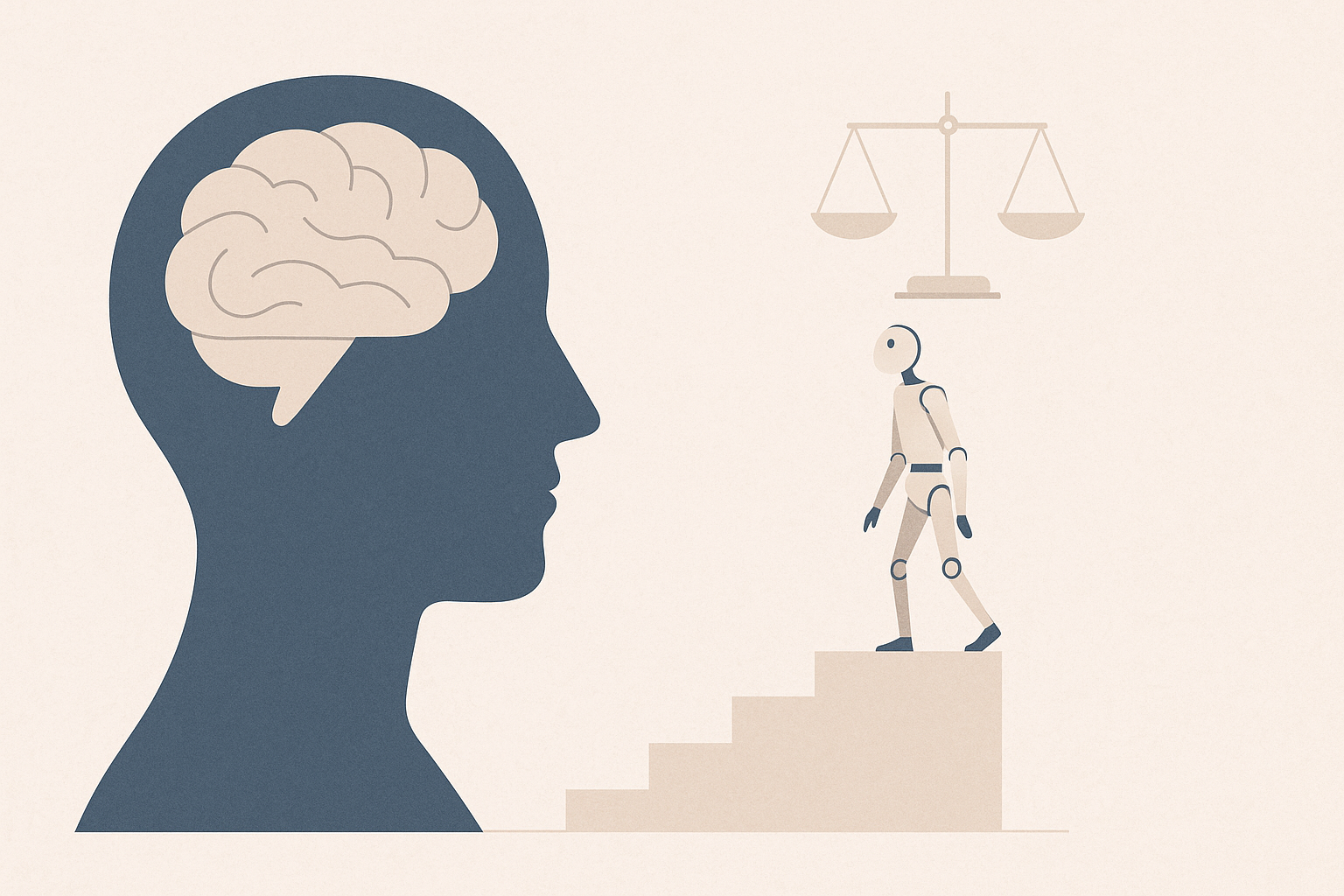
The development and deployment of artificial intelligence (AI) have reached a critical juncture, with AI systems now integral to numerous aspects of life, from healthcare and finance to transportation and education. However, as AI's influence grows, so does the concern over accountability. The lack of transparency in AI decision-making processes, coupled with the potential for bias and error, has sparked intense debate among technologists, ethicists, and policymakers. According to a report by the AI Now Institute, 71% of Americans believe that AI systems should be designed to prioritize transparency and accountability. Yet, assigning responsibility when AI systems fail remains a complex issue, with many arguing that current legal frameworks are inadequate. For instance, in 2020, the European Union introduced the AI Regulatory Framework, aiming to establish clear guidelines for AI development and deployment. Meanwhile, companies like Google and Microsoft are investing heavily in AI ethics research, with Google's AI ethics team publishing numerous papers on the topic, including a seminal work on 'Model Cards' for transparency. As AI continues to evolve, the need for robust accountability mechanisms will only intensify, with some estimates suggesting that the global AI market will reach $190 billion by 2025, underscoring the urgent need for clarity on who is accountable when AI systems go awry.
🔍 Introduction to Accountability in AI
The concept of accountability in AI has become a pressing concern as AI ethics and machine learning continue to advance. The lack of transparency in AI decision-making processes has led to increased scrutiny from regulatory bodies and the public alike. As AI systems become more pervasive, it is essential to establish clear guidelines for accountability in AI. This includes developing frameworks for explainability and transparency in AI decision-making. According to a report by Mckinsey, the adoption of AI has the potential to increase productivity by up to 40%. However, this also raises concerns about job displacement and the need for re-skilling programs.
🤖 The Rise of AI: Opportunities and Challenges
The rise of AI has brought about numerous opportunities for innovation and growth. However, it also poses significant challenges, including the potential for bias in AI and discrimination. To address these concerns, it is essential to develop fairness in AI frameworks that prioritize equity and inclusion. Companies like Google and Microsoft are already working on developing more transparent and explainable AI systems. The use of AI for social good is also becoming increasingly popular, with applications in areas such as healthcare and education.
📊 The Technical Debt of AI Development
The technical debt of AI development refers to the costs and challenges associated with developing and maintaining AI systems. This includes the need for data quality and data quantity, as well as the development of robust and secure AI systems. According to a report by Gartner, the average cost of developing an AI system is around $1 million. However, this cost can be significantly higher if the system is not developed with accountability and transparency in mind. Companies like Amazon and Facebook are already investing heavily in AI development, with a focus on natural language processing and computer vision.
🚫 The Lack of Transparency in AI Decision-Making
The lack of transparency in AI decision-making processes is a significant concern. This is because AI systems often rely on complex algorithms and large datasets, making it difficult to understand how decisions are made. To address this concern, it is essential to develop frameworks for explainability and transparency in AI decision-making. This includes the use of model interpretability techniques and model explainability techniques. According to a report by Harvard Business Review, the use of explainable AI can increase trust in AI systems by up to 30%. Companies like IBM and Salesforce are already working on developing more transparent and explainable AI systems.
👥 Human Accountability in AI Systems
Human accountability in AI systems is essential for ensuring that AI systems are developed and used in a responsible and ethical manner. This includes the need for human overrides and human review processes. According to a report by MIT, the use of human overrides can reduce the risk of AI failures by up to 50%. Companies like Tesla and Uber are already working on developing more human-centered AI systems, with a focus on autonomous vehicles and ride-sharing. The use of human-in-the-loop systems is also becoming increasingly popular, with applications in areas such as customer service and technical support.
📜 Regulatory Frameworks for AI Accountability
Regulatory frameworks for AI accountability are essential for ensuring that AI systems are developed and used in a responsible and ethical manner. This includes the need for regulatory oversight and compliance with existing regulations. According to a report by EU, the development of regulatory frameworks for AI accountability can increase trust in AI systems by up to 40%. Companies like Google and Microsoft are already working with regulatory bodies to develop more transparent and explainable AI systems. The use of AI regulation is also becoming increasingly popular, with applications in areas such as data protection and cybersecurity.
🌐 Global Initiatives for AI Accountability
Global initiatives for AI accountability are essential for ensuring that AI systems are developed and used in a responsible and ethical manner. This includes the need for international cooperation and global standards for AI development. According to a report by UN, the development of global initiatives for AI accountability can increase trust in AI systems by up to 50%. Companies like IBM and Salesforce are already working with global initiatives to develop more transparent and explainable AI systems. The use of AI for sustainable development is also becoming increasingly popular, with applications in areas such as climate change and sustainable development.
📊 The Economic Impact of AI Accountability
The economic impact of AI accountability is significant. According to a report by Mckinsey, the adoption of AI has the potential to increase productivity by up to 40%. However, this also raises concerns about job displacement and the need for re-skilling programs. Companies like Amazon and Facebook are already investing heavily in AI development, with a focus on natural language processing and computer vision. The use of AI for economic growth is also becoming increasingly popular, with applications in areas such as finance and e-commerce.
🔒 The Role of Explainability in AI Accountability
The role of explainability in AI accountability is essential for ensuring that AI systems are developed and used in a responsible and ethical manner. This includes the need for model interpretability and model explainability techniques. According to a report by Harvard Business Review, the use of explainable AI can increase trust in AI systems by up to 30%. Companies like Google and Microsoft are already working on developing more transparent and explainable AI systems. The use of explainable AI is also becoming increasingly popular, with applications in areas such as healthcare and education.
👮 The Intersection of AI and Human Rights
The intersection of AI and human rights is a significant concern. This includes the need for human-centered AI systems that prioritize equity and inclusion. According to a report by UN, the development of AI systems that prioritize human rights can increase trust in AI systems by up to 50%. Companies like IBM and Salesforce are already working on developing more human-centered AI systems, with a focus on autonomous vehicles and ride-sharing. The use of AI for human rights is also becoming increasingly popular, with applications in areas such as climate change and sustainable development.
📈 The Future of AI Accountability: Trends and Predictions
The future of AI accountability is uncertain. However, it is clear that the development of regulatory frameworks and global initiatives for AI accountability will be essential for ensuring that AI systems are developed and used in a responsible and ethical manner. According to a report by Mckinsey, the adoption of AI has the potential to increase productivity by up to 40%. However, this also raises concerns about job displacement and the need for re-skilling programs. Companies like Amazon and Facebook are already investing heavily in AI development, with a focus on natural language processing and computer vision.
Key Facts
- Year
- 2023
- Origin
- The term 'accountability in AI' emerged in the early 2010s, as AI began to be widely adopted in various industries.
- Category
- Technology & Ethics
- Type
- Concept
Frequently Asked Questions
What is accountability in AI?
Accountability in AI refers to the need for transparency and explainability in AI decision-making processes. This includes the development of frameworks for explainability and transparency in AI decision-making, as well as the need for human accountability in AI systems. According to a report by Harvard Business Review, the use of explainable AI can increase trust in AI systems by up to 30%. Companies like Google and Microsoft are already working on developing more transparent and explainable AI systems.
Why is accountability in AI important?
Accountability in AI is important because it ensures that AI systems are developed and used in a responsible and ethical manner. This includes the need for human-centered AI systems that prioritize equity and inclusion. According to a report by UN, the development of AI systems that prioritize human rights can increase trust in AI systems by up to 50%. Companies like IBM and Salesforce are already working on developing more human-centered AI systems, with a focus on autonomous vehicles and ride-sharing.
What are the challenges of implementing accountability in AI?
The challenges of implementing accountability in AI include the need for regulatory oversight and compliance with existing regulations. According to a report by EU, the development of regulatory frameworks for AI accountability can increase trust in AI systems by up to 40%. Companies like Google and Microsoft are already working with regulatory bodies to develop more transparent and explainable AI systems.
How can we ensure accountability in AI?
We can ensure accountability in AI by developing frameworks for explainability and transparency in AI decision-making, as well as the need for human accountability in AI systems. According to a report by Harvard Business Review, the use of explainable AI can increase trust in AI systems by up to 30%. Companies like IBM and Salesforce are already working on developing more transparent and explainable AI systems.
What is the future of AI accountability?
The future of AI accountability is uncertain. However, it is clear that the development of regulatory frameworks and global initiatives for AI accountability will be essential for ensuring that AI systems are developed and used in a responsible and ethical manner. According to a report by Mckinsey, the adoption of AI has the potential to increase productivity by up to 40%. However, this also raises concerns about job displacement and the need for re-skilling programs.